Gone are the days when audio producers in sweatpants recorded their voiceovers in bathrooms and closets. Today, well-coiffed podcasters – increasingly, celebrities – with gleaming smiles chat with their guests in set-designed studios. Funded by Big Tech, which has snapped up the formerly independent studios that used to produce podcasts, now most successful podcasts have some sort of video component.
Featured image: Evgenios Kalofolias

Lately, all Mia Lobel, the executive producer of Slate podcasts, has been thinking about, is YouTube. Until a couple of months ago, the veteran audio producer admits she didn’t even know what a thumbnail was, let alone how important the right one is for getting audiences to click on your content. But as more podcasts add the option of watching and research indicates that new listeners are to be found on social media, Lobel says she decided to embrace YouTube’s siren call.
“We as podcasters need to find our way onto that platform in one form or another. We have to be in that space or we’re going to lose out on a whole generation of audience,” Lobel told iMEdD in a video call. “And what I spend every day doing now, is figuring out what form that should take?”
There have been pivots to video in the media industry before, but this latest one seems to be backed by numbers.
A January 2026 Edison research report that looked at how American audiences are engaging with podcasts found that 77% of first-time podcast consumers watch video podcasts, surpassing the 75% who consume audio-only podcasts.
Perhaps the report’s most significant finding is how critical a discovery tool video is: 72% of first-timers and 68% of long-timers started listening to the audio-only version of a podcast after discovering its video version, “demonstrating that video discovery helps drive audio consumption.”
Edison research report: 72% of first-timers and 68% of long-timers started listening to the audio-only version of a podcast after discovering its video version.
The golden age of narrative audio
Podcasting has only become an industry in itself in the last decade or so.
“In the beginning, it was just like nerds and techies that were recording conversations about tech protocols and that kind of thing,” Jeff Umbro, the CEO and founder of The Podglomerate, a leading podcast production and marketing services agency, told iMEdD in a video call. “Your show would get like a few hundred listeners; it was very burdensome to download an episode, and you had to know what you were doing to like record and upload something to an RSS feed.”
When Apple added it as an app to the iPod and iPhone in 2005, the first bloom of podcasting began, recalls N’Jeri Eaton, CEO of the newly established Type C Studios, a bespoke audiovisual services company. Back then, revenue was low and came mainly from host-read sponsors or crowdfunding.
“That’s the time where you could find these smaller shows that kind of felt really niche,” says Eaton, who has held leadership roles in audio at National Public Radio (NPR), Amazon, Apple and Netflix.
In 2013, there were just over 90 thousand individual podcasts, according to the Pew Research Center. Today, that number is more than 4 million.
“The earthquake, the Big Bang moment for podcasts was Serial, the first season of Serial – we were all riveted, week to week,” says Eaton. The 2014 true crime show, a spin-off from the highly popular NPR show (and podcast) This American Life was podcasting’s first big hit.
It was also the moment when “people realized that you could create commercial successes in the space,” says Umbro. The money poured in, and, for a moment, narrative podcasts were in a golden age.
“There was a handful of shows that were exploding. You had blockbuster creators; you had marquee publishers like Gimlet, Wondery, Pineapple Street,” says Umbro. All those studios, responsible for some of the most popular narrative podcasts of the last decade, have now either shuttered or been acquired by Big Tech.
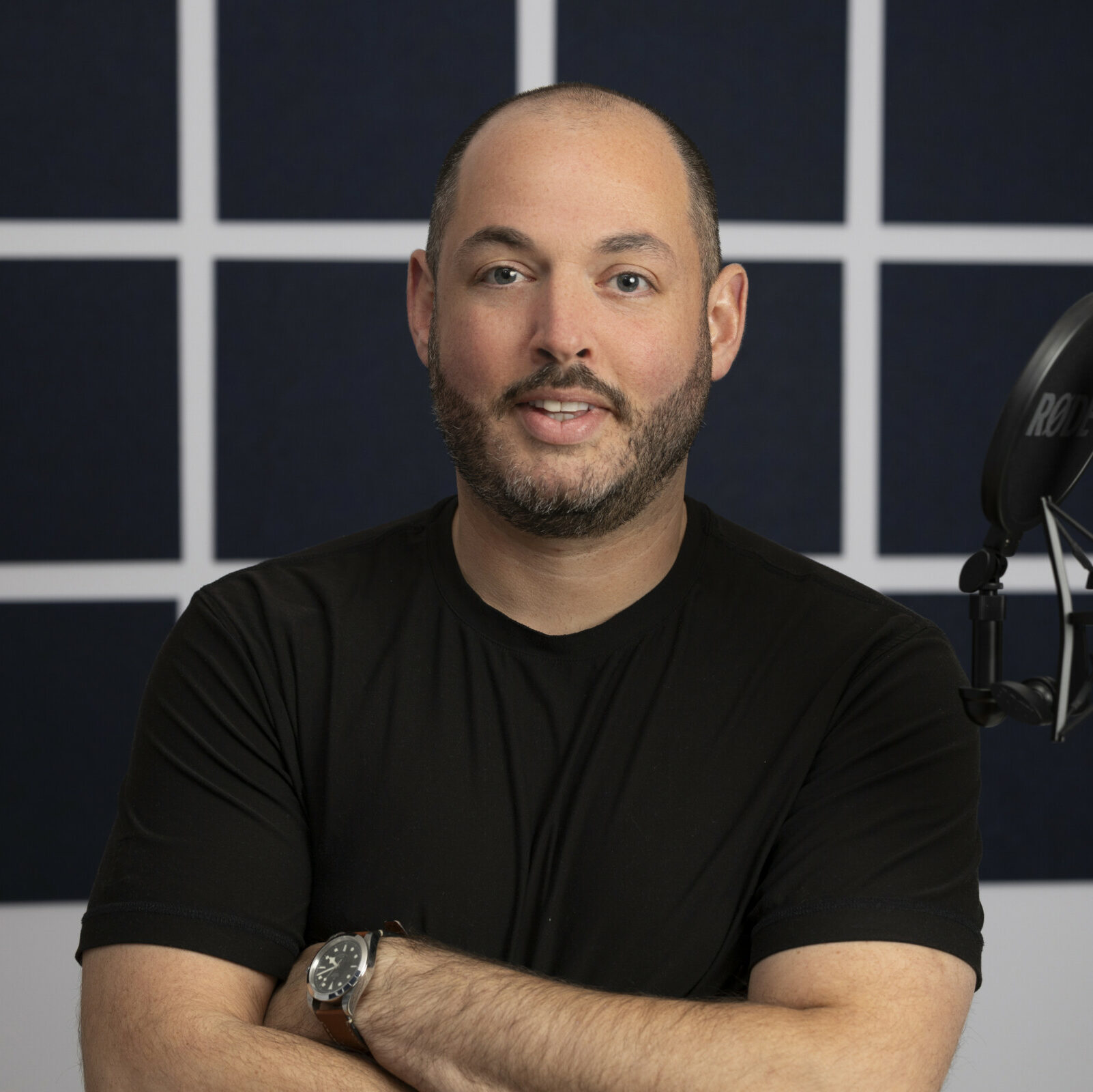
The business is starting to really prioritize weekly chat shows as opposed to narratives, because they’re a lot easier to monetize […] The entire audio ad industry in podcasting is about $3 billion a year. The entire video ad industry is about $60 billion a year.
Jeff Umbro, CEO and founder, The Podglomerate,
Consolidation, layoffs, risk aversion
Today, the podcast industry finds itself in a transition period. According to Umbro, Apple, iHeart, SiriusXM, Spotify and Amazon now control somewhere between 70% to 80% of the market – and more consolidation is inevitable. (In March 2026, just a few days after he spoke to iMEdD, news broke that SiriusXM was in talk to acquire iHeart.)
“When consolidation happens, inevitably, a year or two later, you’re going to see a bunch of layoffs. Private equity is starting to move into the space, and the business is starting to really prioritize weekly chat shows as opposed to narratives because they’re a lot easier to monetize,” says Umbro.
And the best place to catch a talk show? Stream it on YouTube. In 2025, Google announced that there were more than 1 billion monthly active podcast users on YouTube. In March 2026 Apple podcasts rolled out their native video feed, where users can seamlessly switch between the audio and video version of a podcast. Spotify has had theirs since 2024. The reason is simple: money.
“There’s a lot of advertising dollars in video,” says Umbro. “The entire audio ad industry in podcasting is about $3 billion a year. The entire video ad industry is about $60 billion a year.”
“There’s a lot of advertising dollars in video,” says Umbro. “The entire audio ad industry in podcasting is about $3 billion a year. The entire video ad industry is about $60 billion a year.”
Competing with celebrities
Podcast producers like Lobel are, as she puts it, “actively thinking about what folks look like, not just what they sound like anymore.” At the same time as audio outlets and journalists began to experiment with video, a slew of celebrities put on headphones and invited other celebrities onto their comfy couches to dish. Inevitably, this has squeezed independent producers further down the charts. Moreover, just two of the top 20 podcasts on Spotify are news-related (NPR’s Up First and The New York Times’ The Daily); the rest are talk and true crime shows.
“A lot of what I see is non-journalists, content creators getting all the attention and sucking all the air out of the room in terms of audiences, and that makes me very nervous,” says Lobel. “I want places like Slate that employ real journalists with real stories and real skills to be able to be in that space and to get some of that attention. The risk if we don’t do that feels really great to me.”
A lot of what I see is non-journalists, content creators getting all the attention and sucking all the air out of the room in terms of audiences, and that makes me very nervous.
Mia Lobel, executive producer, Slate podcasts
An enhancement, not a replacement
Lobel says that listen-through rates show that YouTube is more of a discovery tool than a replacement.
“Listen-through rates are such a big deal in audio, right? You want to hook people in, and you want to keep them for as long as possible. Listen-through rates on YouTube are a fraction of the length of listen-through rates on Spotify,” says Lobel.
She told iMEdD that the first video iteration of one of Slate’s biggest shows, The Political Gabfest, which has tens of thousands of downloads each week had a fraction of views on YouTube. She says she will keep experimenting with video because she is convinced the expense – and discomfort, for some audio-only host diehards – is worth the glow-up they are giving Slate’s studios and hosts.
“I think there are still opportunities. I still believe in the power of narrative storytelling, and I still believe in the power of journalism,” says Lobel. “We are just in a tough spot right now. I don’t think it’s permanent, I don’t think it’s over, and it’s possible that YouTube will help with some of this discovery. It is a creator-first platform.”
Eaton says that while YouTube can help with discovery and engagement, it doesn’t mean that everybody must pivot to video.
“There were shows we did at Wondery where we put a lot of effort into the visual look, and it did well on YouTube. But when we looked at the RSS audio feed numbers, it did super-poorly. But also, vice versa – sometimes the video underperformed, and the RSS did much better. I think it’s all about what this show is that you’re making, and how does your audience want to consume it? Because it isn’t uniform or universal across all shows.”
Making TV on the cheap
With so much emphasis on video and multi-platform versions of the same content, Eaton worries that creating podcasts has become a pricy endeavor – and one that comes at the cost of taking jobs from another industry.
“You know, the lovely thing about the podcast explosion is there was a low barrier to entry when it was audio only, says Eaton, “Now you’re making it that much more expensive. I’m talking to people who are doing podcasts for the first time – they’re renting out studios. That’s a huge amount of money for what you hope you will make. […] It’s almost like we’ve been tricked as an industry into undercutting our colleagues on the television side – it’s like we’re making talk shows for way less with shops that aren’t unionized.”
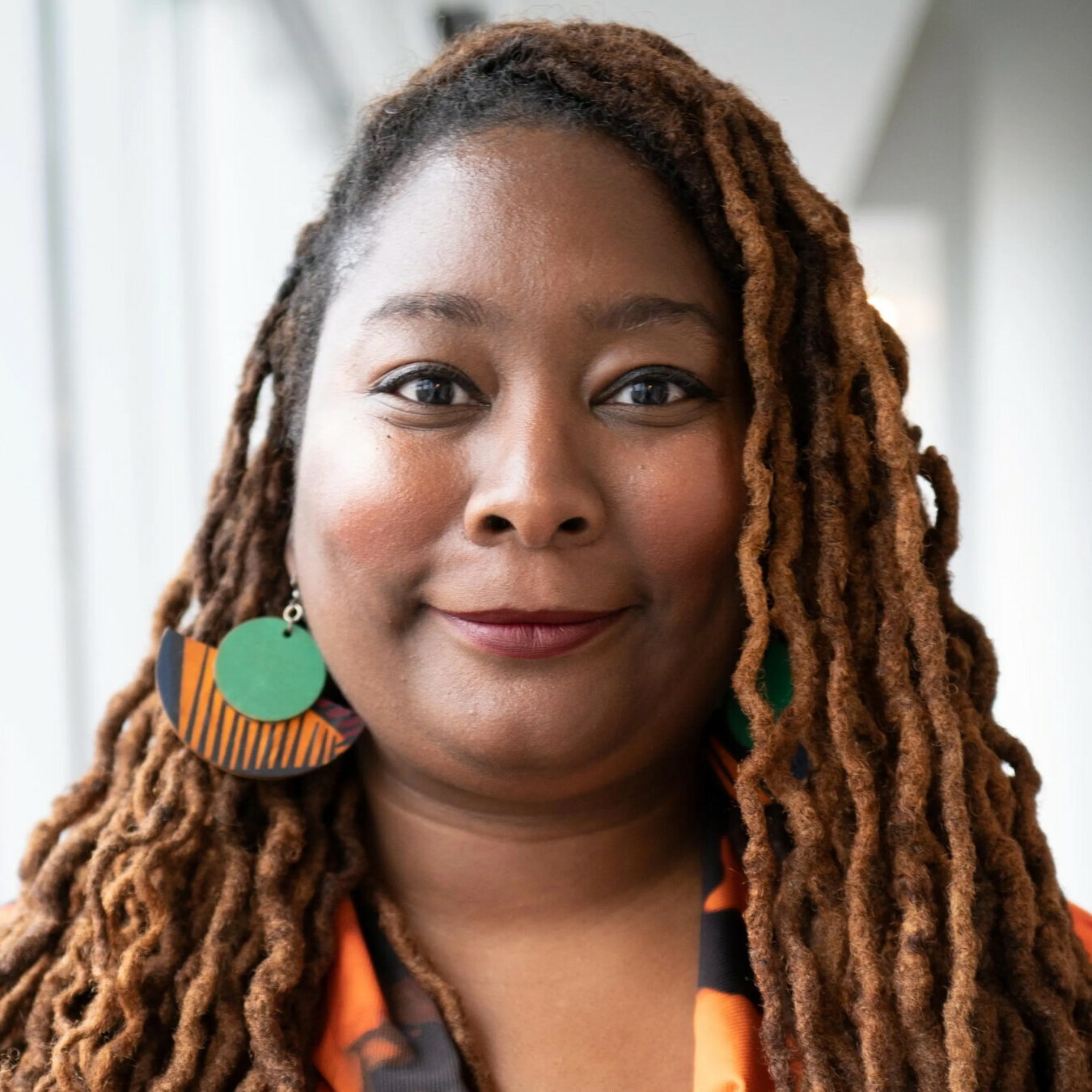
[We] see this push into YouTube and video, but all we’re doing is kind of the lowest common denominator, the easiest thing to do, which is chat shows.
N’Jeri Eaton, CEO, Type C Studios
Eaton is hopeful that podcasting is in a moment similar to the 1960s in Hollywood, where George Lucas and Francis Ford Coppola came in and blew the system apart, changing movies and moviemaking forever. She is convinced that there is both an audience and a need for narrative storytelling, which is one of the reasons she co-founded Type C Studios.
“One of my concerns for years was [that we] see this push into YouTube and video, but all we’re doing is kind of the lowest common denominator, the easiest thing to do, which is chat shows. But it’s the narrative shows that really push this form,” argues Eaton. “And what we’re doing is leaving those shows behind. And so how do we make narrative podcasts accessible, engaging on video without making documentary films? […] I think that is a big piece of the puzzle that has been far too neglected at these bigger companies that have the resources to really try to tackle this.”