Investigating the Pandemic of Road Traffic Fatal Accidents
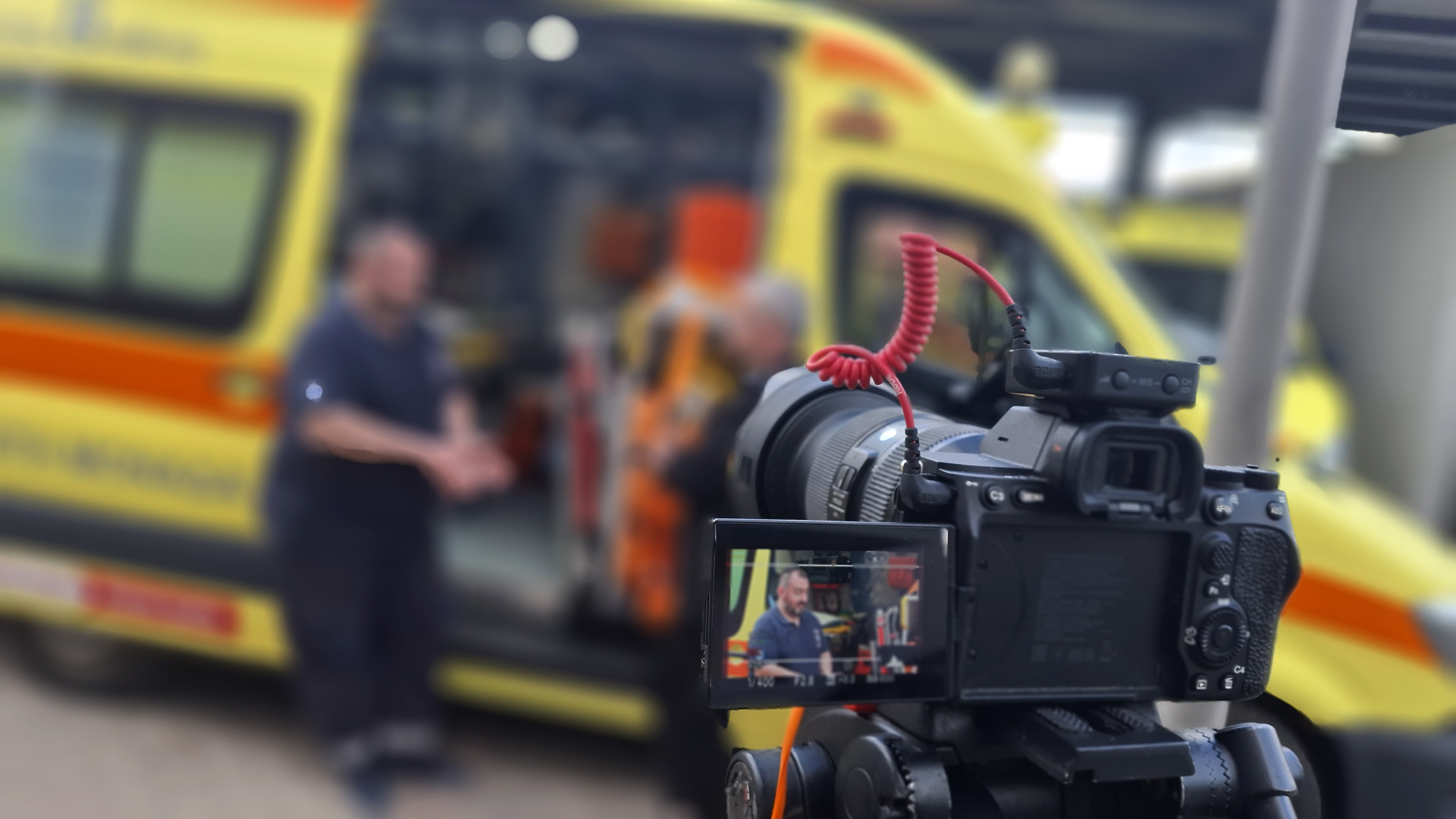
A collaboration between three regional journalists aimed at making a meaningful impact. That was our goal when we submitted our proposal to iMEdD incubator for a video report focused on road traffic accidents in Greece.
Can Gaza Ever Be Lived in Again?
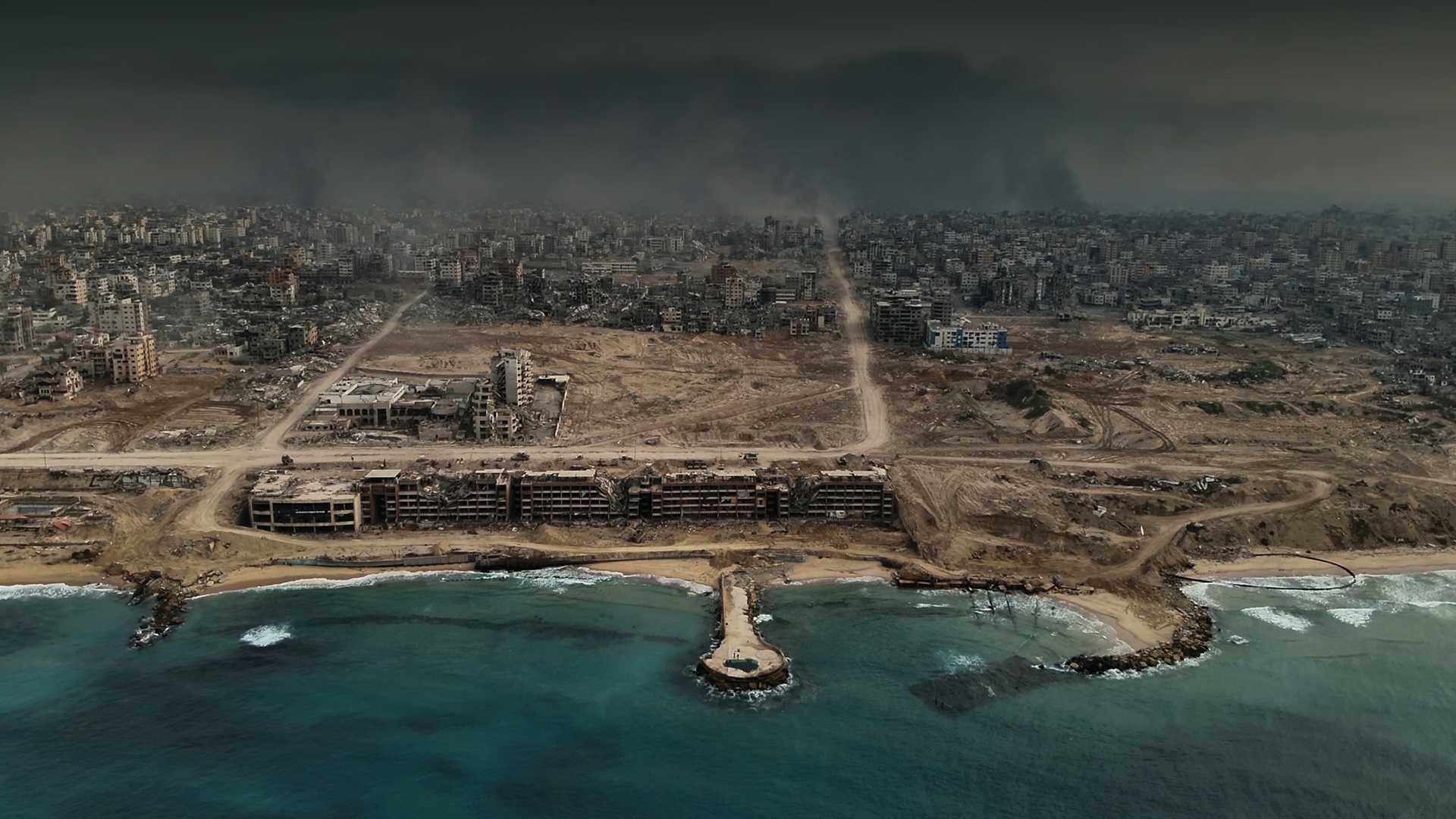
The moment that stood out at the Humanity Reloaded Festival, organized by Doctors Without Borders in Athens.
Climate Change Reporting and Mental Health: Practical Tips for Newsrooms and Journalists

Climate reporters face high anxiety, depression, and PTSD, yet they find strength in community and purpose in their work.
Investigating Cities That (Don’t) Belong to Everyone

A video report on the daily life of people with disabilities in the urban landscape of regional Greece. The project was implemented as part of this year's iMEdD incubator for local media program
Tips by and for Data Journalists

Data journalists are reshaping how stories are told and taking a more active role in newsrooms. However, working within traditional newsroom structures presents its own challenges. How do the experts navigate this environment, and what challenges do they often face?
Monte Gaza and the New Silk Routes
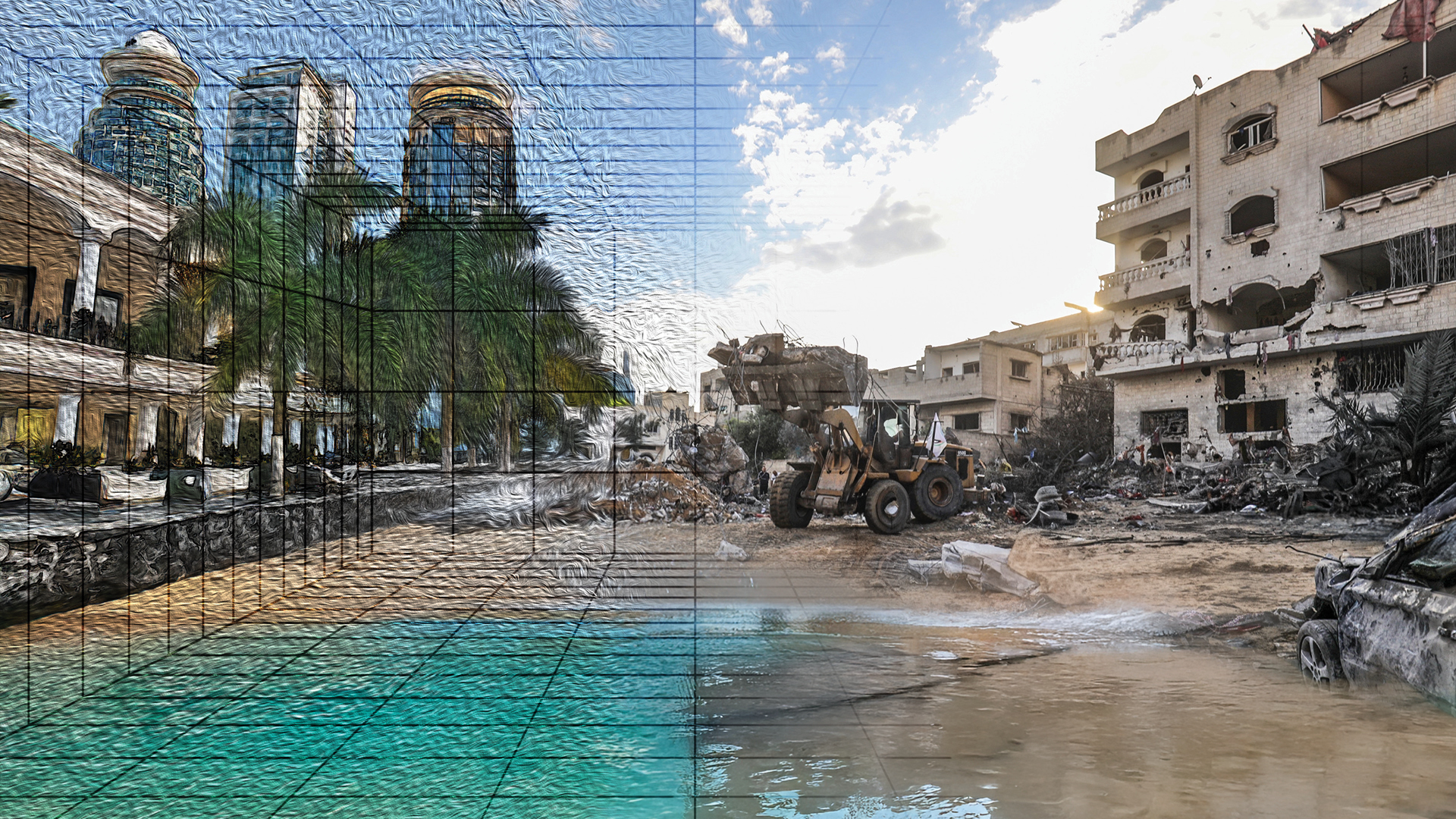
Award-winning Middle East writer and multimedia journalist Iason Athanasiadis explores Donald Trump’s Gaza vision through the lens of 21st-century trade wars and the global race to control the world’s most strategic chokepoints.
Reuters Institute Digital News Report 2025: a media ecosystem in flux

AI chatbots and influencers are reshaping global news habits, as trust in traditional outlets continues to decline.
Investigating the Issue of Air Pollution in Thessaloniki and Ioannina

Journalist Sofia Christoforidou describes the story behind the report on air pollution in Thessaloniki and Ioannina. The investigation was conducted in collaboration with journalist Giorgos Tsantikos, as part of this year's iMEdD incubator for local media.
Investigating Artificial Intelligence: What lies beyond the algorithm
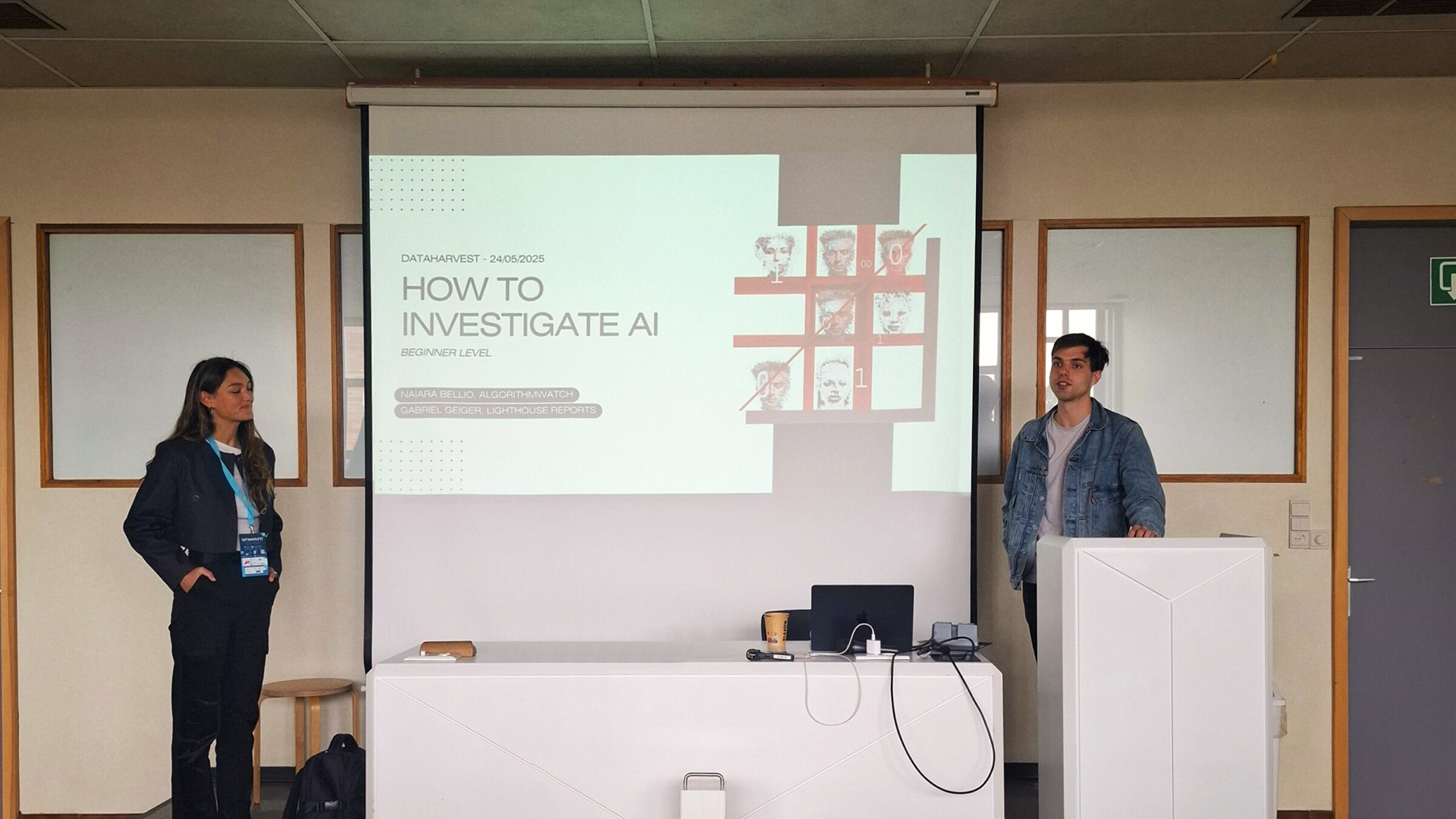
Artificial Intelligence has become an integral part of our daily lives — but the real cost is often borne by others. At the Dataharvest conference, journalists presented their investigations and shared tips on how to dig deeper into this technology.
“They Know We Are Watching Them” – The NYT and the Accountability of the European Commission


ALSO VISIT