Every month we pull together tools, research, and ideas for journalists wearing… many hats.
This column started as a newsletter on iMEdD’s LinkedIn.
You can subscribe and find all past issues here.
Media Hat: Focusing on data (mostly)

Every month we pull together tools, research, and ideas for journalists wearing… many hats.
This edition kept bringing us back to the structures behind the information we see every day. From satellite imagery and OSINT to recommendation systems, and community engagement, many of the things we bookmarked this month weren’t just about content, but about the systems producing, amplifying, and organizing it.
And if you’re one of the many people who are new here, welcome!
Each month, we round up tools, ideas, and behind-the-scenes insights to help journalists who wear many “hats”: reporters, editors, producers, creators, and everything in between.
Up your sleeve
Tools and tricks you can put to work right away
Searching satellite imagery with AI
Useful for investigations that begin with a pattern on a map. Earth Index lets you label examples of structures or landscape features (airstrips, mines, roads, logging sites) and search for similar matches across satellite imagery. The latest Indicator guide explains how to set up a project, label samples, and refine results, with tips from Earth Genome’s Ed Boyda
👉 Read the guide (depending on your subscription you might need to upgrade to read the full article)
📌 Good for: investigative reporters, data journalists, environmental reporters
When community engagement stops sounding human
This one is more reflection than framework. The post looks at how community engagement language has become increasingly institutional and inaccessible. And often distancing itself from the very people it’s meant to involve. A thoughtful read on moving from systems language back to clearer, more human conversations around participation, trust, and power
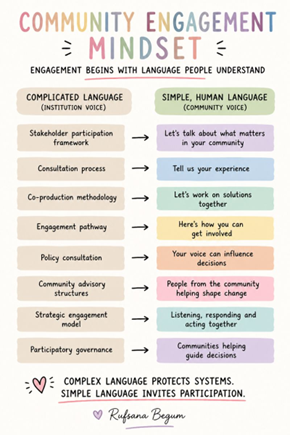
👉 Find out more from these notes shared at #IJF26 by Venessa Paech (BFA, MA, PhD cand.)
(Co-founder and director of Australian community managers)
📌 Good for: community managers, audience engagement managers, product teams
OSINT tools for digging into Reddit
If Reddit isn’t already part of your reporting workflow, this roundup is worth saving. It pulls together tools for searching Reddit profiles, tracking post histories, finding deleted content, and mapping activity patterns (useful for investigations, verification work, and understanding online communities). 👉 Have a look & make sure to check the comments
📌 Good for: OSINT researchers, investigative reporters, verification teams
Tracking wildfires from space
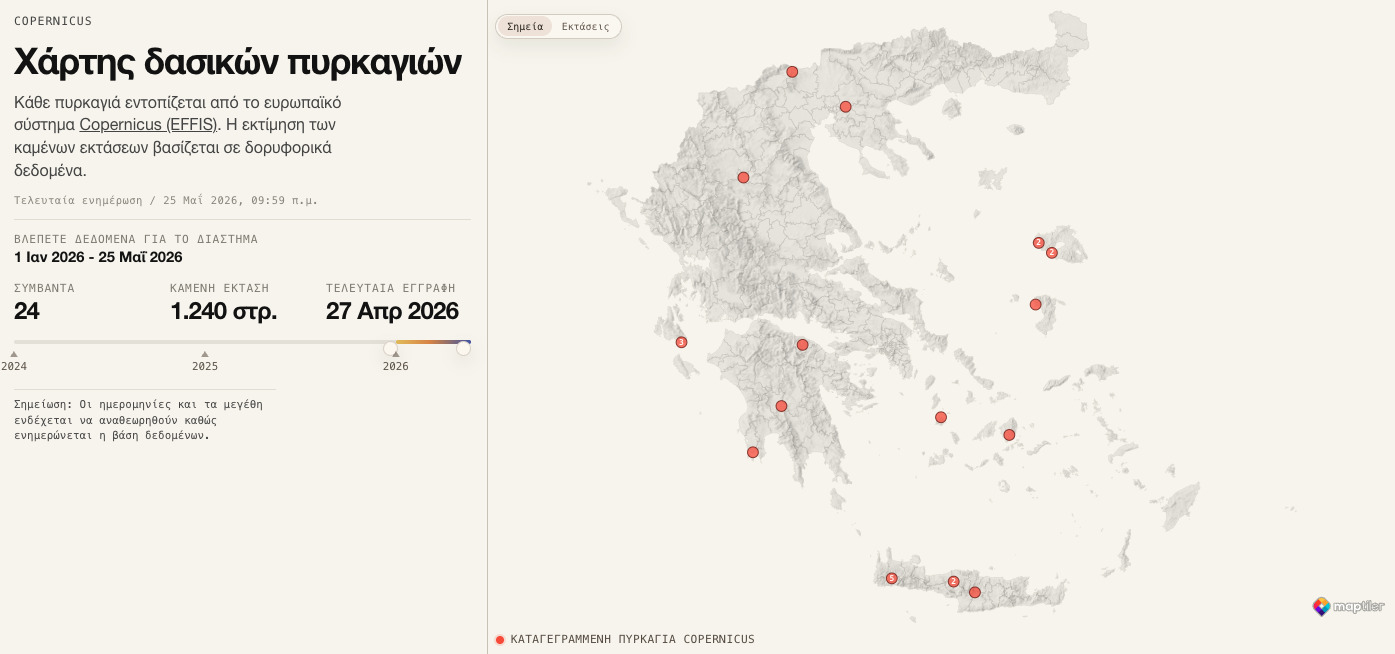
With wildfire season approaching, this one is worth bookmarking. Firewatch, created by data journalist Thanasis Troboukis, is an independent platform focused both on tracking public contracts related to wildfire prevention and response, and on monitoring wildfires across Greece. A useful example of how geospatial tools and public data can support climate reporting, verification work, and emergency coverage workflows.
👉 Explore the tool [Only available in Greek]
📌 Good for: climate reporters, OSINT researchers, environmental lawyers, data teams
Behind the scenes
Research, explainers & deeper context to help you connect the dots
Rethinking the ethics of OSINT journalism
This one goes beyond tools and into the rules (or lack of them). Open source investigative reporter Gisela Pérez de Acha argues that journalism still lacks clear guidelines for using OSINT methods. The piece explores why existing investigation protocols don’t fully fit newsroom realities like deadlines, verification pressure, social platforms, and AI-generated misinformation It also sketches out what a journalism-specific OSINT protocol could look like. 👉 Have a look
The “Substack Tax” debate keeps growing
More writers and independent publications are moving from Substack to platforms like Ghost and Beehiiv, citing rising costs, limited customization, and growing frustration with platform-driven features. This piece from writer Emma Roth (The Verge) looks at how newsletter creators are rethinking ownership, audience relationships, and what it means to build media businesses on rented platforms. 👉 Read more
Community Spotlight
New voices, bold experiments, and big ideas from the field
A regional AI lab for journalists in Central and Eastern Europe
Applications are open for the new #JournalismAI Strategy Lab, a free five-week virtual programme for journalists and media professionals working in CEE newsrooms. Organised by the JournalismAI team at the London School of Economics and Political Science (LSE) and supported by the Google News Initiative, the programme focuses on practical AI workflows, editorial governance, and building newsroom strategies beyond experimentation. 👉 Apply by 7 June
FYI 📍
Our Resource & Data Editor, Kelly Kiki, will be at #Dataharvest26, in Mechelen, one of the leading international gatherings for investigative journalism, data, and media innovation.
If you’ll be around, come say 👋 (always happy to exchange ideas on tools, collaborations, and newsroom experiments).
Exploring the systems behind social media harm
Created by Tactical Tech, The Toxic Triangle is an interactive experience exploring how social media platforms, AI systems, and online economies shape young people’s digital lives. Through guided storylines and facilitated discussions, the project helps journalists, NGOs, and decision-makers better understand the mechanics behind online influence, engagement, and platform monetisation. 👉 Check it out
Let’s Chat!
If something here sparks a thought, we’d love to hear it. And if you want to pass this along to someone who might enjoy it, thank you! That’s how this little community grows:)
See you next month!