Every month we pull together tools, research, and ideas for journalists wearing… many hats.
This column started as a newsletter on iMEdD’s LinkedIn.
You can subscribe and find all past issues here.
Media Hat: Τested this month

Η μηνιαία στήλη του iMEdD με εργαλεία, πηγές και ιδέες που ανταποκρίνονται στις ανάγκες των δημοσιογράφων.
Right now, a lot of what we’re working with is partial. Conflicts covered unevenly, platforms limiting access, datasets that are either missing, locked, or too clean to fully trust. So instead of asking what’s new, this edition looks at what actually helps you read the system a bit better.
And if you’re one of the many people who are new here, welcome.
Each month, we round up tools, ideas, and behind-the-scenes insights to help journalists who wear many “hats”: reporters, editors, producers, creators, and everything in between.
Up your sleeve
Tools and tricks you can put to work right away
Automation, video & newsroom workflows
This one comes from Schibsted’s public GitHub, always a good place to browse if you’re curious what newsrooms are actually building. videofy_minimal turns articles into short-form videos, handling everything from script to voiceover, with a CMS step for editorial control. Feels especially relevant if you’re experimenting with formats beyond text.
👉 Try it out
📌 Good for: newsroom product teams, video editors, developers
Community reporting, safety & real-time alerts
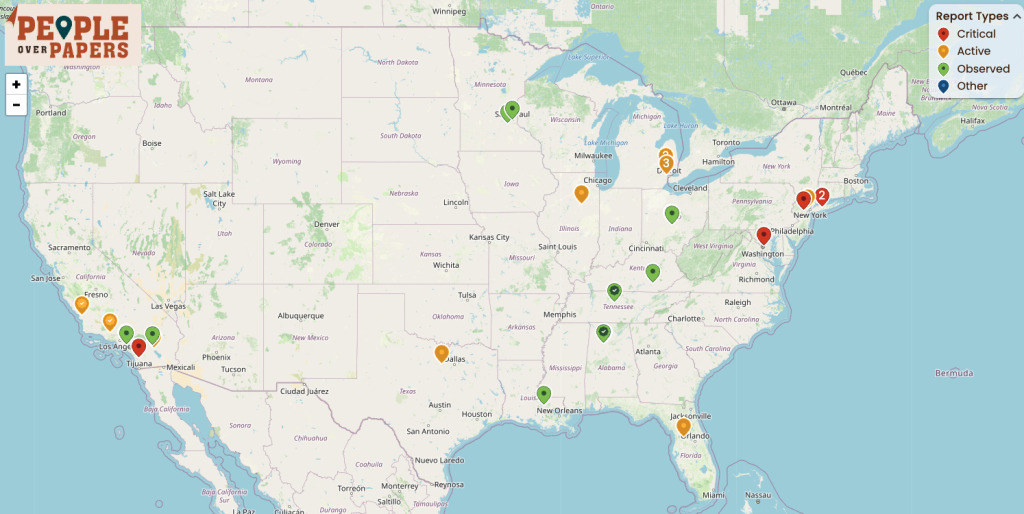
We found ourselves going down a bit of a rabbit hole with this one. ICEout, by People Over Papers, turns community-submitted information into a moderated, real-time map of possible ICE activity. Reports are reviewed before going live and tagged as confirmed (via trusted partners) or non-confirmed (from the public). It’s a strong example of how community reporting can be structured without losing urgency.
👉 Have a look
📌 Good for: reporters covering immigration enforcement, advocacy groups, general public
Service design, audience needs & journalism strategy
We keep coming back to this question: are we actually making something people need? Gazzetta’s Service Desk takes a service design approach to journalism, helping teams move from assumptions to evidence when it comes to audience needs. Less about content, more about usefulness.
👉 Have a look
📌 Good for: editor in chiefs, audience editors
AI agents, PR workflows & automation
AI agents are everywhere right now, but still a bit fuzzy in practice. This piece by Muck Rack breaks down what they actually do in a PR context, from monitoring to pitching – and introduces its own Media List Agent. Useful, especially for surfacing niche outlets, though still very much a tool that needs human steering.
👉 Have a look
📌 Good for: communications teams, PR profession
Behind the scenes
Research, explainers & deeper context to help you connect the dots
Data dives, obsession & digital investigations
What started as casual curiosity about the Epstein files turned into a massive personal project: a database of 1.5 million documents mapping over 1,000 connections. This Wired piece captures how individual research can scale and what happens when it becomes all-consuming..
👉 Read more
Housing affordability, key workers & urban pressure
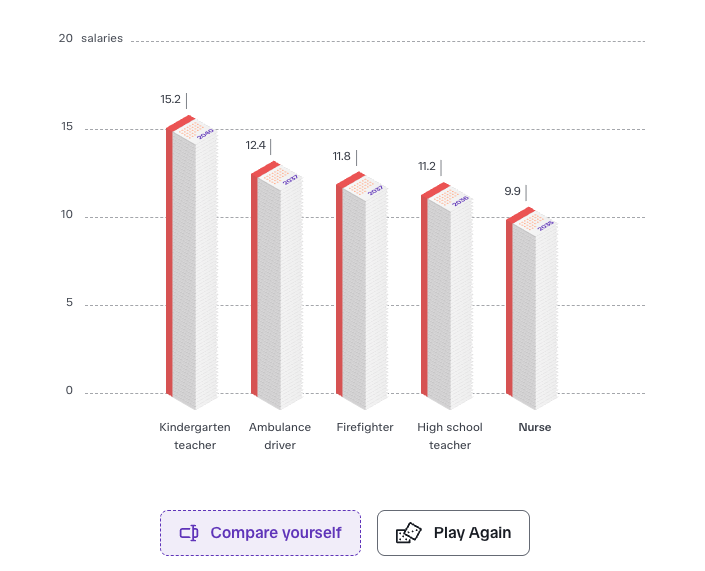
This project maps something many cities are quietly struggling with: essential workers no longer being able to afford living where they work. Across Europe, the gap between salaries and housing costs is widening and the implications go beyond housing alone.
Community Spotlight
New voices, bold experiments, and big ideas from the field
Narratives, ethics & responsible communication
Coming up on March 31, so this is a quick one. This online workshop by 7amleh introduces Communicating Palestine, a guide to more ethical and responsible storytelling. Focused on unpacking harmful narratives and offering practical tools for better communication.
👉 So hurry up if you want to join.
Community management, listening & first steps
What could be more community than a community piece? Grace Malik’s post is a solid reminder that the first 30 days in a new role aren’t about fixing things, but understanding them. Listening, documenting, mapping before acting. Simple, but easy to forget.
Let’s Chat!
If something here sparks a thought, we’d love to hear it. And if you want to pass this along to someone who might enjoy it, thank you – that’s how this little community grows.
See you next month!