Investigative journalist and guide author, Alexander Fanta, speaks with iMEdD about “Access Europe: A Journalist’s Guide to Making Cross-Border FOI Requests” published by Arena for Journalism in Europe and his hope that it will lead to a network of journalists that help each other out.
Featured image: Evgenios Kalofolias
Raise your hands if this has ever happened to you – the European Union has released funds to several countries earmarked for specific projects. Governments announce, to much fanfare, that the funds will be allocated towards X, Y, and Z. Months later opposition parties and community groups cry foul, saying the money was spent elsewhere or lost. You decide to investigate but hit brick wall after brick wall. What can be done? How to get the actual procurement or spending data and elevate your reporting from he-said/ she-said, to the facts?
The only way to get information that is not public is by filing a Freedom of Information (FOI) request. But in some countries, that’s easier said than done.
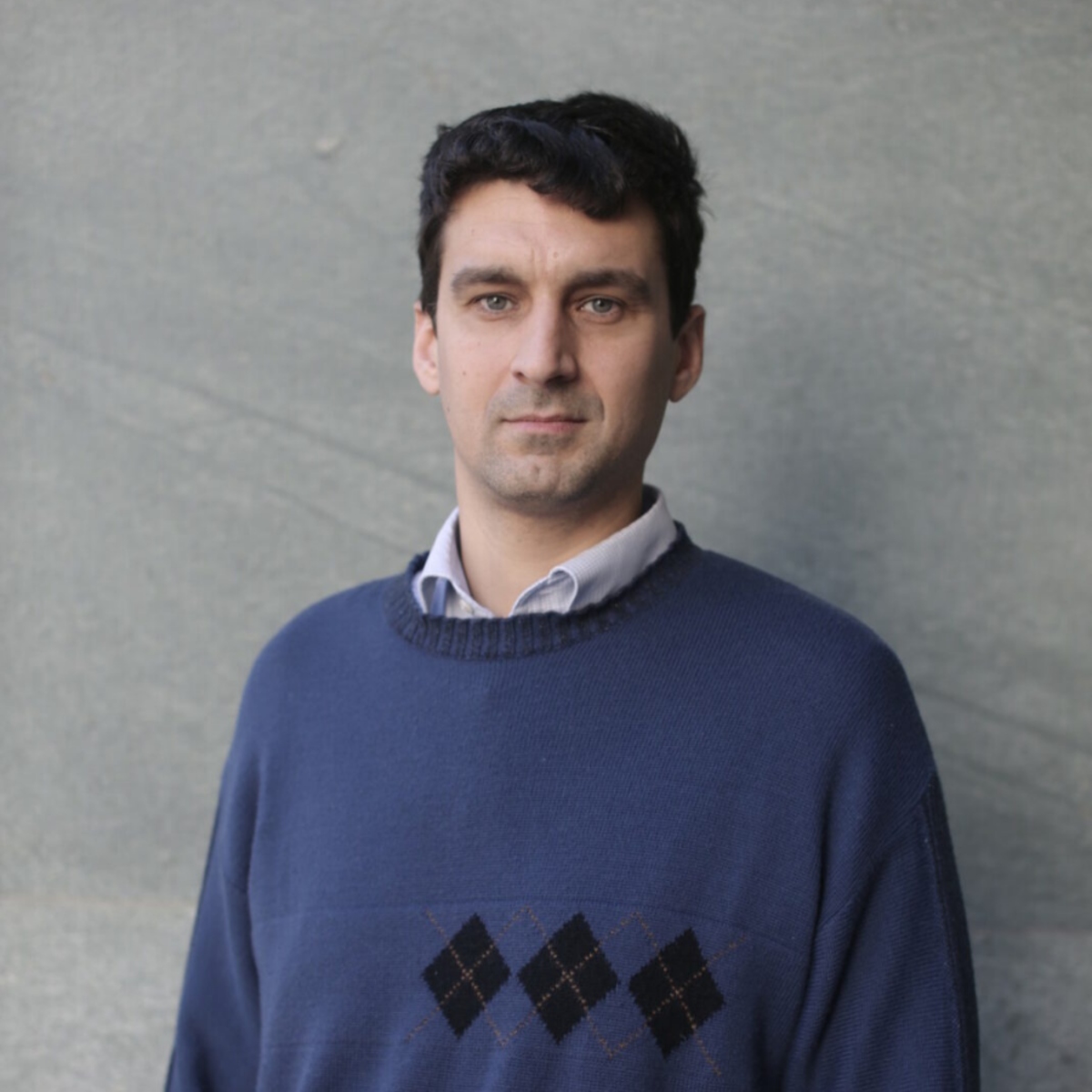
Investigative reporter Alexander Fanta of Follow the Money began making FOI requests to various European institutions when he moved to Brussels in 2018 to cover tech.
“I realized that in some countries it was very easy,” Fanta told iMEdD in a video call. “In Sweden, you would miraculously get so much more access and so many more documents that they wouldn’t redact the names –you finally knew who was sitting in EU meetings. And you would just write them an e-mail and say, please give me this document in English. But in other countries, you would have to have a bit of local knowledge and you would have to use Google Translate to make a request.”
At the 2025 Dataharvest conference, organized by Arena for Journalism in Europe, a roundtable of frustrated investigative journalists convened, shared their experiences and decided to formalize them into a written resource to help other journalists.
The result – a work-in-progress open to updates and corrections, says Fanta – is a country-by-country guide published by Arena and edited by Dataharvest director, Jelena Prtorić, with useful links to national and European institutions, templates for how to write a request in each country, and the specific national laws.
Perhaps the most valuable part of the guide is the email addresses of local journalists and FOI experts in each country who are willing to be contacted and to help.
Fanta says that was the idea. “The guide wasn’t just meant to be a guide, it’s also meant to be a network. It’s all very much based on kindness and capacity, and having this local knowledge is really important.”
Switzerland has a pretty good FOI law. The national security thing isn’t that big of a roadblock in Switzerland as in other countries. But the Swiss FOI law doesn’t cover the national banks, because their banks are a law unto themselves.
Alexander Fanta, journalist and guide author
More than 30 journalists, legal scholars and practitioners took part in helping Fanta write the guide. He says FOI laws can reveal a lot about the political culture of a country.
“For instance, Switzerland has a pretty good FOI law and they will tell requesters about how and why they are locking out Palantir from their systems. So, the national security thing isn’t that big of a roadblock in Switzerland as in other countries,” Fanta told iMEdD. “But the Swiss FOI law doesn’t cover the national banks or the markets regulator because their banks are a law unto themselves.”
In the United States, FOIA (Freedom of Information Act) requests are considered a routine part of reporting, but in continental Europe, Fanta says that the administrative culture has been one of secrecy until quite recently.
“Germany only got an FOI law in 2005. The United Kingdom’s FOI law went into force in 2005. France has had a FOI law since the 1970s, but it isn’t any good,” says Fanta. “There is a culture of secrecy. It is real, and it’s a problem even in those countries that have an FOI law now.”
In doing this research, Fanta found stark contrasts in several countries between the letter of the law and what is actually happening on the ground. He cites Serbia as a prime example.
“Serbia has nominally the best FOI law. But that simply isn’t the truth of the lived experience of Serbian journalists, because they say, we have a very hard time enforcing our law in independent courts. And that’s a big problem,” Fanta notes.
Eleven tips for editors leading cross-border investigations

At a GIJC25 session editors who have conducted ground-breaking collaborations shared their experiences — including how to divide work, distribute resources, and manage reporting with outlets that have differing publishing rhythms.
Greece is another country where there is a constitutional guarantee for citizens to have the right to access information. But according to the guide, Greek FOI requests very rarely succeed. They mostly go unanswered, or are rejected on the basis of national security, commercial interests, or personal data.
“Greece is one of the darker spots in Europe in terms of how useful FOI is, and it’s really a problem, and it’s a bit sad as well,” say Fanta. “Greek journalists and ultimately Greek lawmakers should think about it – does Greece really want to be in on the lowest rungs in terms of credible FOI laws? Does it want to be out there with Liechtenstein and Belarus, or does it want to have a strong law and more public accountability and helping journalists making meaningful public interest investigations?”
Greece is one of the darker spots in Europe in terms of how useful FOI is, and it’s really a problem. Ultimately Greek lawmakers should think about it – does Greece really want to be in on the lowest rungs in terms of credible FOI laws? Does it want to be out there with Liechtenstein and Belarus, or does it want to have a strong law and more public accountability and helping journalists making meaningful public interest investigations?”
Alexander Fanta, journalist and guide author

Photo: Elisabeth Roger / Courtesy of Jelena Prtorić.
Prtorić was one of the guide’s first test users. No stranger to filing FOI requests, she needed to get information from Kosovo and Albanian authorities. She says that even she was surprised at how easy it was by following the instructions in the guide.
“I had this idea that, oh, it’s going to be very difficult. And people (named in the guide) replied super fast, everything was done according to the legislation. And then they were like, we can always talk, you can call me.”
Both Fanta and Prtorić stress that the guide is a work in progress, and they hope to receive feedback to improve and update it.
Fanta says his personal hope is that the guide will spark interest in cross-border FOI requests and lead to them becoming a standard method in investigative journalism.
“The best thing you can do as a journalist to advocate for FOIs is making requests, because that shows the authorities that there is a demand. So, I also hope that it will increase the amount of pressure journalists put on authorities to actually hand over information.”
The guide “Access Europe: A Journalist’s Guide to Making Cross-Border Freedom of Information Requests”, by Alexander Fanta, is available from Arena for Journalism in Europe here.