Four editors, who work on turning a buzzword into practice, explain what it takes for a story to make a difference and share how they build impact in reporting from the very beginning. Meet the Impact Editors.
Photos: Petros Toufexis/ iMEdD
Featured image: Evgenios Kalofolias
The interviews have been edited for length and clarity.
“Journalism as a field needs to keep up with the reality that publishing a story is no longer accountability”, had explained Tessa Pang, Impact Editor at the Lighthouse Reports, at the panel discussion Meet the Impact Editors that took place during the iMEdD International Journalism Forum 2025.
Although significant investigations that interrogate power and hold it accountable are often brought in public eye, the questions of what their impact on society is and how it is achieved remain too.
With that in mind, iMEdD talked with four experienced impact editors. We asked each one of them the exact same questions: what is impact in journalism, what are the strategies for achieving and measuring it, how they collaborate with reporters, as well as whether journalism with impact sometimes overlaps –or not– with activism. Here is their take.
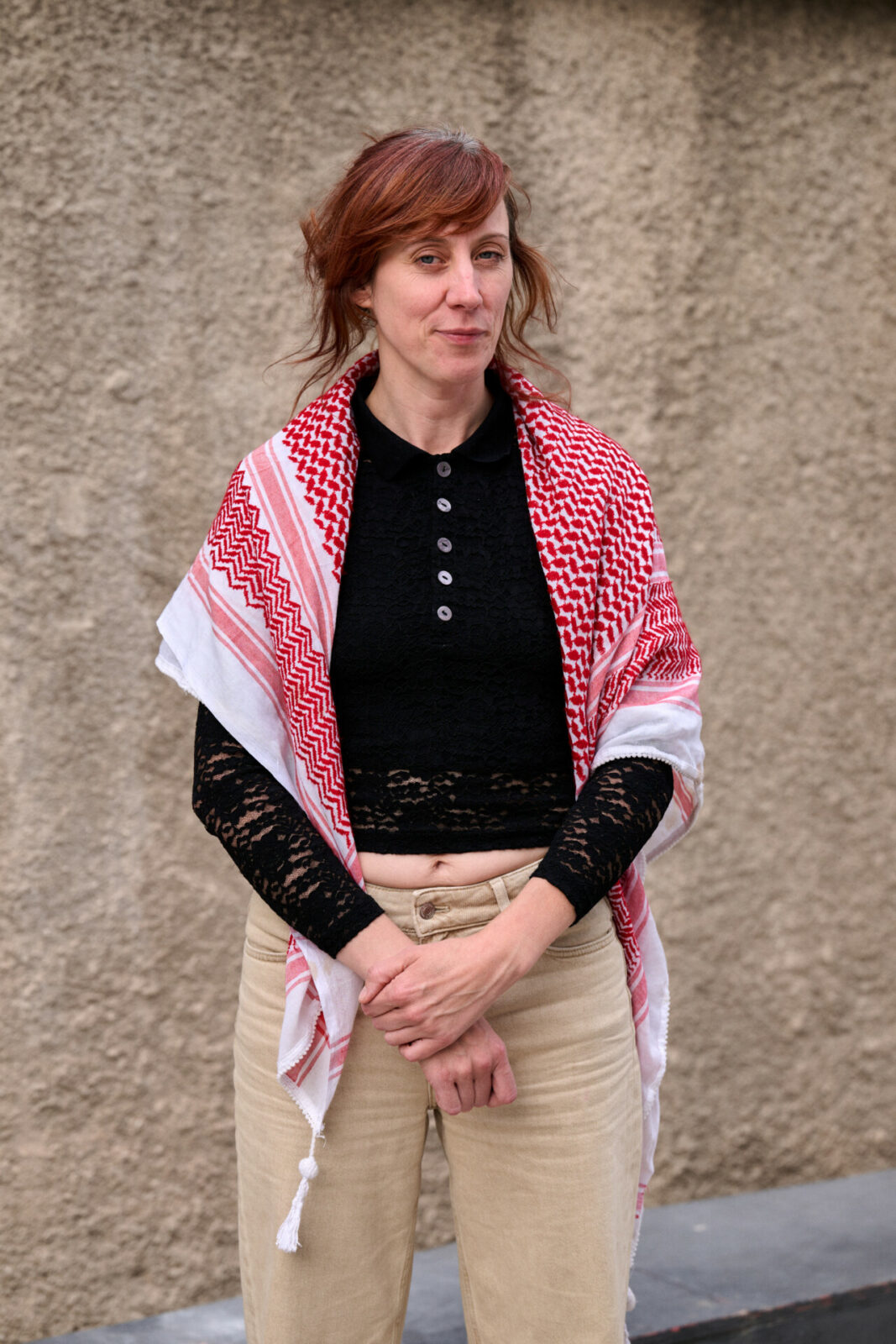
Miriam Wells, Impact and Strategy Editor, The Examination
I define impact as journalism doing its job properly. Traditionally the gold standard of impact has been seen as a specific change; a policy change, a law change, a tangible action that you see as a result of reporting. But I see impact in a much more holistic way. From the ground up, it could look like equipping communities with knowledge, skills, and connections that they can use. It can look like strengthening civil society with evidence and data that they can use in their work. The one-line sentence that I use: Decisions, behavior and action informed by evidence and empathy. This is impact in action.
Ιf you are strategic, intentional and thoughtful, then you can massively amplify the potential power of your journalism. A few questions to ask: Who are the communities directly affected? Who are the stakeholders working on this issue? Who is the corporation that is doing harm or who is the government that can change a policy or a law? It is about thinking very carefully of who can benefit from the work and who should be paying attention, and then designing and distributing your stories in content formats that are really going to engage those audiences, and be useful and accessible.
Decisions, behavior and action informed by evidence and empathy. This is impact in action.
Miriam Wells, Impact and Strategy Editor, The Examination
It is also making sure you are always sticking very firmly to proper journalistic ethics and integrity, and that you are transparent, representative and inclusive, as well as listening to voices and aware of your own biases.
There are lots of things you can measure that are signs your journalism is contributing to change. At The Examination, we use both quantitative and qualitative measures. We are looking at how many people clicked on our story or read our story. Also, we publish in partnership with newsrooms and outlets around the world.
Additionally, if a civil society organization used the story in some advocacy material, or if a community used it to mobilize, if a politician made a comment and cited your work, or if a company announced an investigation or a corporate policy change, you can track all of these things and they are all indicators.
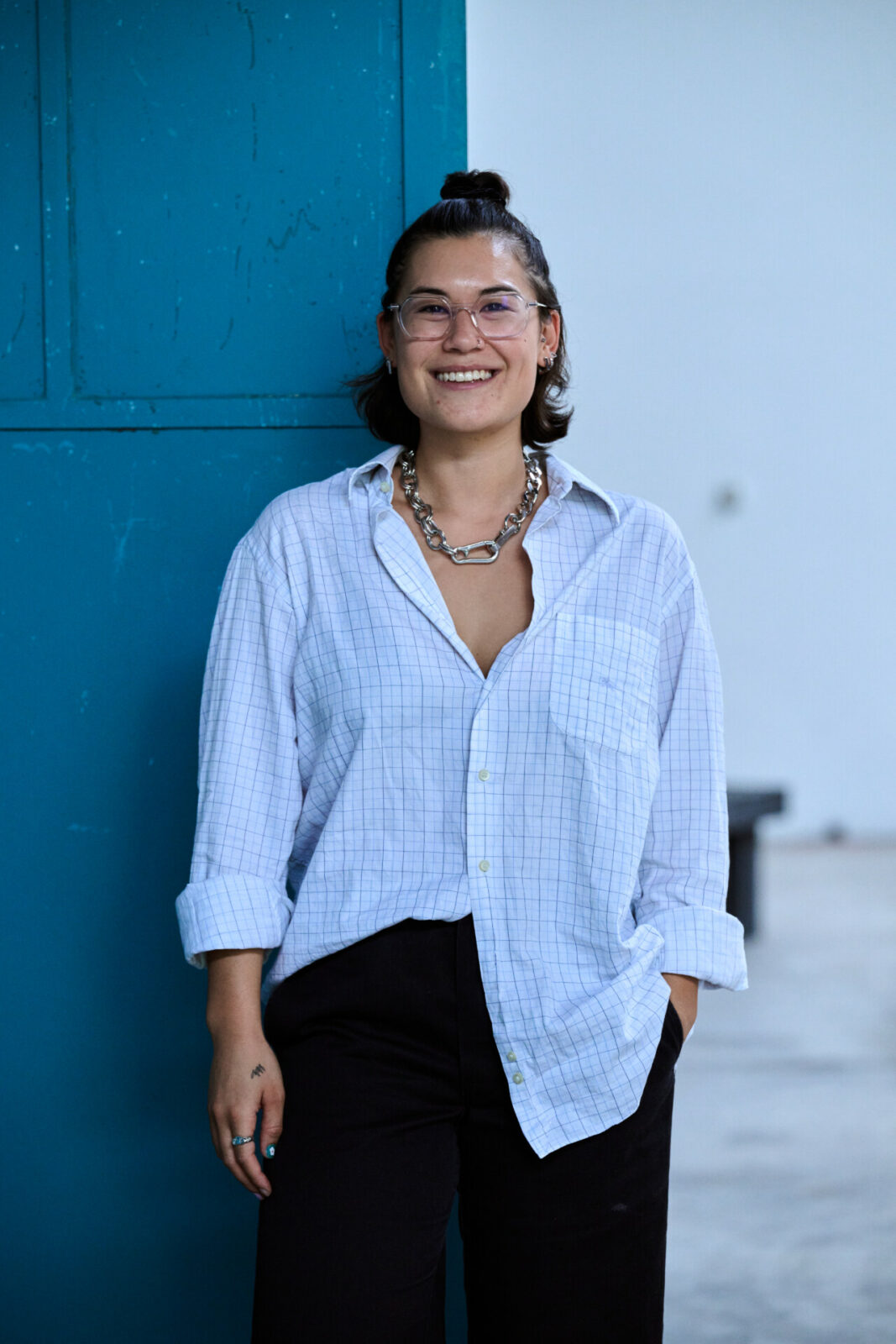
Tessa Pang, Impact Editor, Lighthouse Reports
At Lighthouse Reports, the way we define impact is different for every story. As the Impact Editor, I work with the reporting team to identify some impact goals from each investigation. And these goals are informed by our conversation with people who are already working on the issue; for example, policymakers, advocates, civil society organizations, even influencers as well, to understand what change or progress is necessary on the issue. We then work with the team to identify the ultimate vision of how the reporting could end up. Then we figure out the key deliverables from this investigation that could contribute to that overall goal.
Often a lot of audiences don’t access their news in traditional ways. So we’re constantly questioning how we can make sure that we are meeting audiences on the platforms that they are at in order to make the public aware of what we uncovered rather than hoping that they come to our publication. This might look like working with a content creator or with a local community group who might make a video out of the investigation or distribute it in a different way. That’s another way of achieving impact or opening up a public discussion.
The role of journalism is to uncover the truth and the facts and learn how to work with people who can then push it towards a direction of change.
Tessa Pang, Impact Editor, Lighthouse Reports
At Lighthouse, we have an impact tracker and the majority of the data that we collect on impact is qualitative. We have identified five key audiences that would be useful to engage in our impact work. Those are the public, the policymakers/ the industry, other journalists, the community who is directly affected and the funders, because we are a nonprofit. The way in which we track impact is always in relation to one of those audiences.
There is a myth that journalism is an objective job. But I think in many situations being able to hold truth to power or to unveil something that happened is, in essence, demanding accountability or indicating that something needs to change. So I don’t think that journalism sits above or beyond activism or change making process. The difference here is that activists have a clear understanding of the change that needs to be made and their role is to push and advocate for that. Whereas the role of journalism is to uncover the truth and the facts and learn how to work with people who can then push it towards a direction of change.
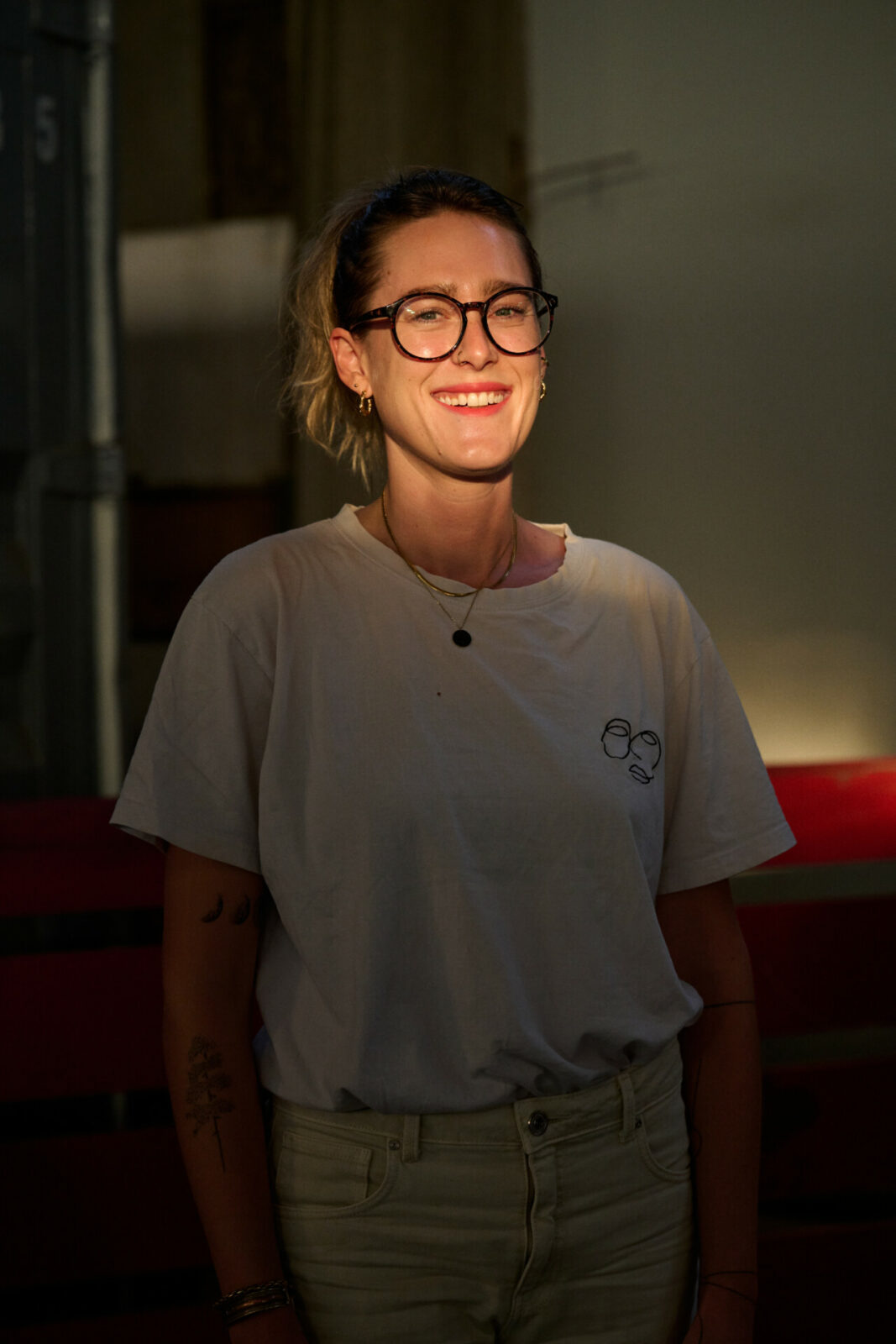
Photo: Petros Toufexis/iMEdD
Janine Bressmer, Impact Editor, The New Humanitarian
At the New Humanitarian, we define impact around four key pillars. The first one is informing policymakers and decision makers. The second one is holding the sector accountable. The third one is raising awareness of forgotten crises. And the fourth one is amplifying and platforming the voices of marginalized communities and individuals.
One example is that we recently did a participatory journalism project. It’s called the Lebanon Displacement Diaries, and it follows then individuals in the south of Lebanon who have been displaced as a result of the Israeli bombardments. We decided to turn the Displacement Diaries into a participatory theater performance, which happened in Beirut. The audience themselves had to participate in the play, and they ended up sharing their own stories of displacement. This shows that impact can be such a macro thing, but it can also be really small within a community where people actually find ways and platforms to speak about something which previously they weren’t able to speak about.
Ιmpact can also be really small within a community, where people actually find ways and platforms to speak about something which previously they weren’t able to speak about.
Janine Bressmer, Impact Editor, The New Humanitarian
For us in the New Humanitarian, it is not really indicative to say an article had 20 or 20,000 clicks. For the Lebanon displacement diaries, it was that qualitative feedback from the individuals who had themselves been displaced; what it meant for them to participate in the diaries or the play.
I think it is no longer enough for journalism to exist as a product that people can consume. It needs to be news that moves and empowers you. We need more reporting that connects dots, whether it’s across contexts or across themes. In news, everything moves so quickly. The writers, the editors, and the journalists themselves, move on to the next project. That’s why it is really beneficial to have a specific role that has the capacity to focus on all of that while the reporters themselves move on to the next story. That doesn’t mean that journalists shouldn’t go back to communities and ask what has changed. I think that journalists also owe communities something when they have interviews with them, when they are used as a source. An impact editor on her own can never achieve anything. It is always a collaborative effort.
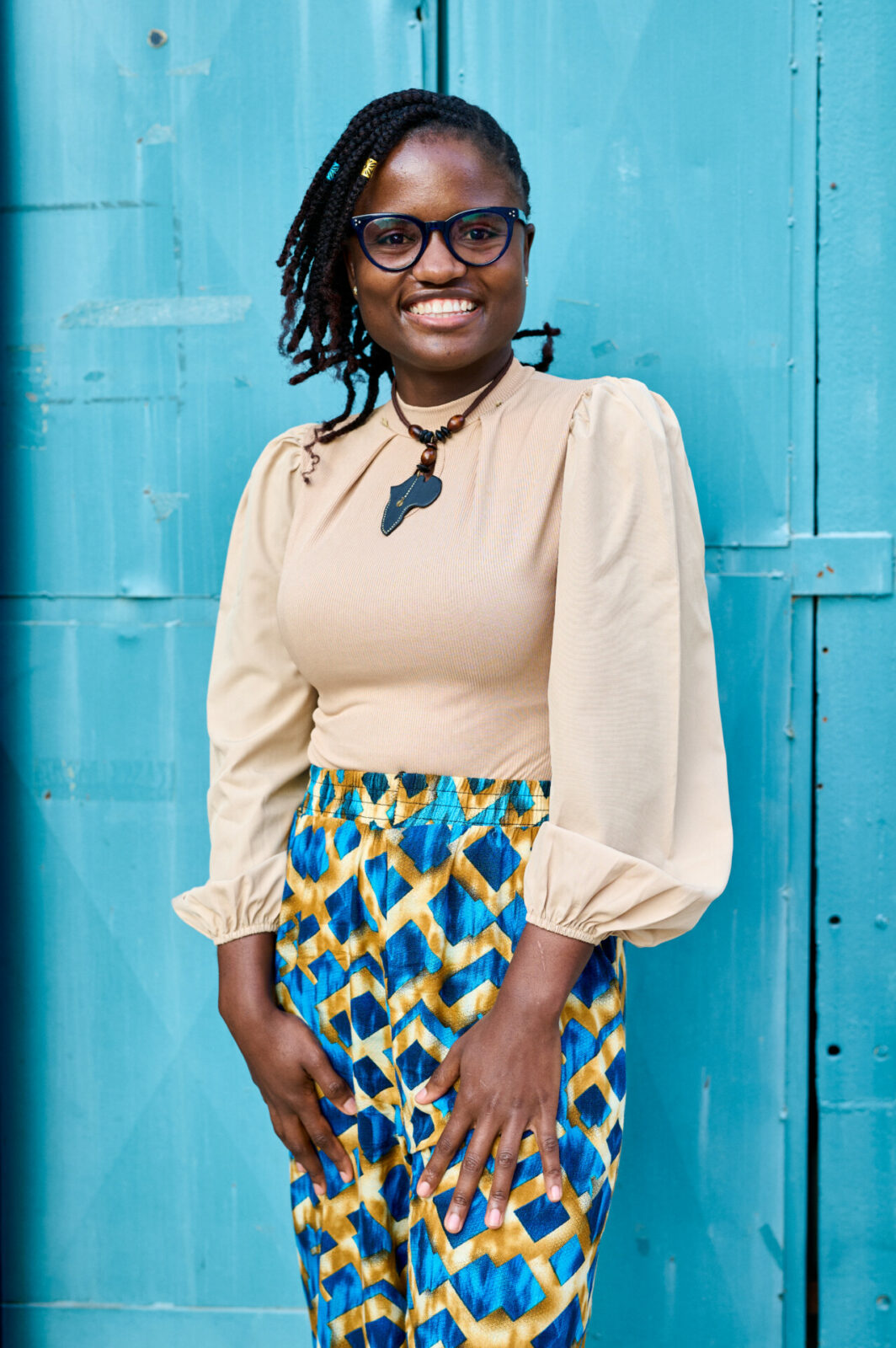
Daisy Okoti, Research and Impact Editor, Nation Media Group
Impact is any evidence that our journalism has done something in the society. Anything that points us to an effect of our journalism. At the Nation Media Group, we have an impact measurement framework, which defines what impact is, as well as the mission of our organization. The biggest goal of our impact measurement is to illustrate how we are influencing society positively.
One of the tools I use to do my job is the offline impact tracker, where you have to manually input the impact. That is where collaboration becomes very important because I have to speak to reporters and editors to know what is happening with their stories. There we have conversations to decide if we are doing a follow up story.
I have had to train reporters to understand what impact is. One of my biggest assignments when I started this role was for the people in my newsroom to recognize impact when they see it, because they are the ones who are interacting with their stories and know where their sources are. So if they do a story and then something happens as a result of that story, the source will call them, not me.
Impact doesn’t have to be one thing. It can be a series of things trickling down.
Impact is any evidence that our journalism has done something in the society. Anything that points us to an effect of our journalism.
Daisy Okoti, Research and Impact Editor, Nation Media Group
How journalism tiptoes around algospeak’s grocery store

From “seggs” to “unalive,” online language is evolving to bypass automated moderation. What started as a workaround for content creators is now changing journalism itself. This is the story of algospeak.
My newsroom is very large, so my editors are my ears and my mouths in the meetings. There are times when I need an impact story done, so I commission through their editors. Perhaps someone made a story and something really big happened as a result. This becomes worthy of a follow-up story.
An advantage that I have is that it is communicated completely from the top leadership and then it is rolling down, so it becomes easier. I think that helps in terms of how the need for impact is communicated, especially in the current media [environment] where everything is shifting, including our audience.
Impact is not a completely new thing because journalists have always aspired to change the world. What I am really doing as an impact editor is showing them how they are changing the world.
You can watch the session “Meet the Impact Editors” at the iMEdD International Journalism Forum 2025 here: