Across newsrooms from India to the U.S. and the U.K., disabled journalists struggle to be seen, even as diversity, equity, and inclusion policies promise fairness. Their numbers are unknown, career advancement is stalled, and accommodations are inconsistent.
Featured image: Evgenios Kalofolias
Reporting guide to investigating disability issues — short version
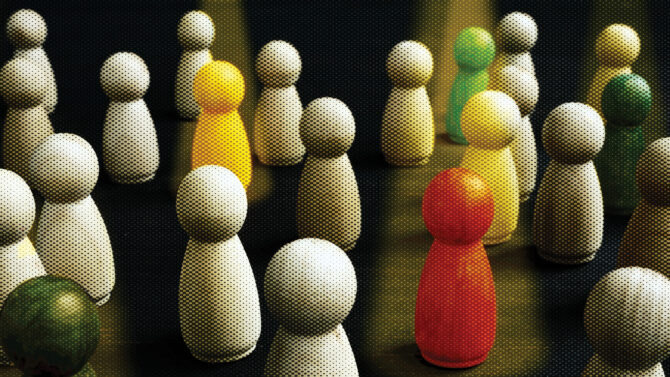
People with disabilities are the largest cross-sectional minority group, according to the United Nations. Almost every reporting specialty involves some aspect related to disability.
For decades, employers have been legally required not to discriminate in hiring. Since the 1990s, many media organizations have adopted Diversity, Equity, and Inclusion (DEI) policies to help ensure that journalists from a wide range of backgrounds and experiences are represented in the newsroom.
But while DEI reports often track newsroom demographics by race or gender, one group remains almost invisible: journalists with disabilities. Nobody really knows how many there are.
The lack of data alone is a story. In 2022, during her Journalist Fellowship Programme at the Reuters Institute, Priti Salian, an independent Indian journalist, examined the stark absence of disabled journalists in India’s newsrooms and what that absence means for the way disability is reported in India.
Her research began with a pattern in her own reporting. Editors repeatedly declined her pitches on the heightened vulnerability of disabled people during COVID-19.
“I thought, why aren’t newsrooms covering this? They’re not even taking my pitches. There must be other journalists who are pitching. So, where were those disabled journalists? Why aren’t they actually focusing on these stories? That’s when I started looking for disabled journalists in India’s newsrooms,” she told iMEdD, speaking from Bangalore, where she is currently based.
Salian had to “dig deeper” to find only 14 openly disabled Indian journalists. “I spoke to a few editors, and honestly, none of them could give me a number of how many disabled journalists they had in their newsrooms. Not even a tentative number,” she added. “Disability didn’t seem like an important aspect of diversity”, highlighting that most newsrooms were focusing only on gender diversity.
I thought, why aren’t newsrooms covering this? (…) There must be other journalists who are pitching. So, where were those disabled journalists? Why aren’t they actually focusing on these stories? That’s when I started looking for disabled journalists in India’s newsrooms.
Priti Salian, independent Indian journalist
Another “glass ceiling”
None of the disabled journalists Salian interviewed was in a position of power. They were either reporters who had just started or journalists somewhere in the middle of their careers. Decision-makers were absent. One blind journalist she interviewed had been in the field for twenty years. He was still a chief copy editor. That was the ceiling.
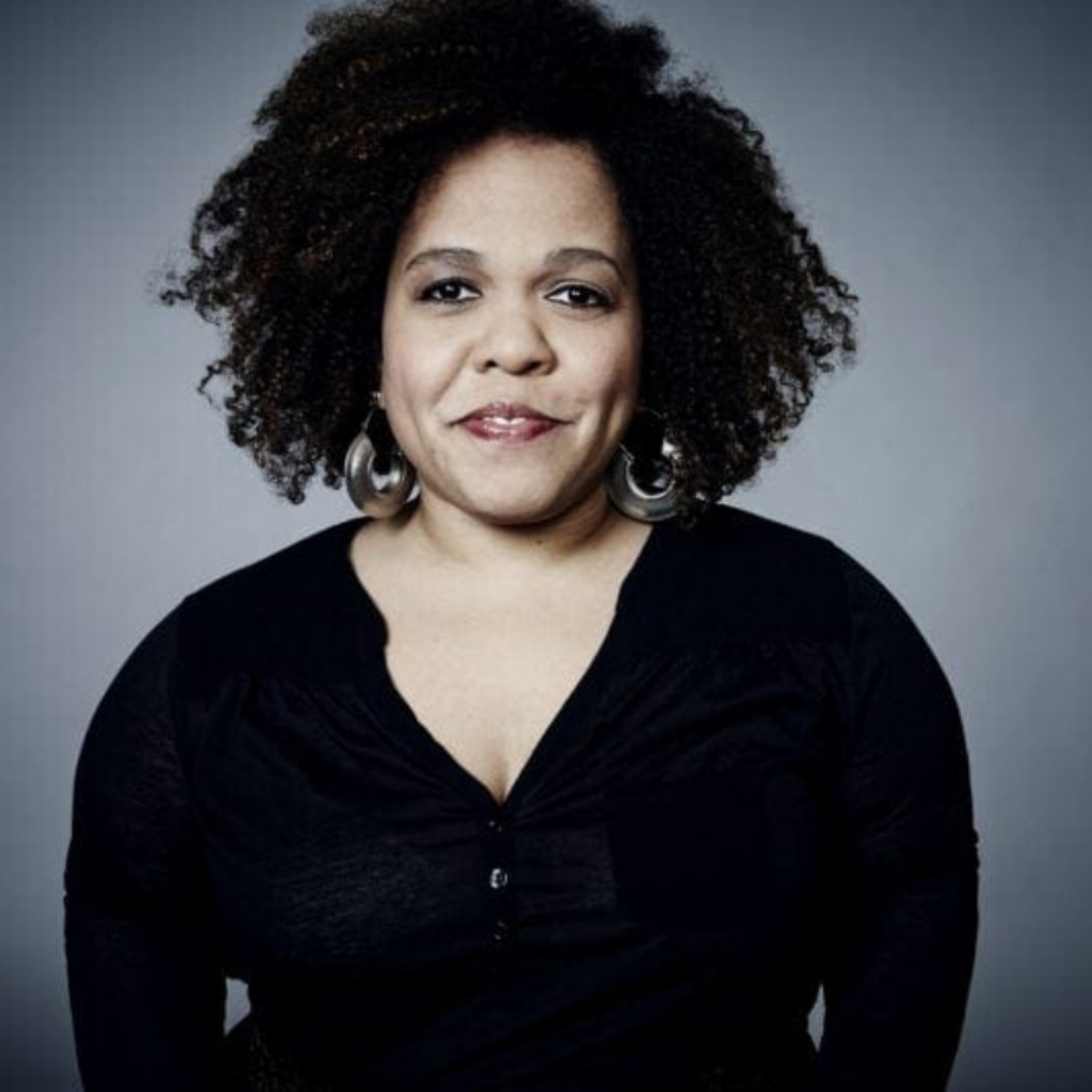
In 2006, Cara Reedy, Executive Director of the Disabled Journalists Association (JA), had a similar experience. She was one of only two visibly disabled staff members in CNN’s New York newsroom. The other, she said, was a cameraman who had been disabled in an explosion in Iraq. She started as an anchor’s assistant, then moved into documentary production and wrote across verticals such as Eatocracy and CNN Business.
After ten years at CNN, she decided it was time to move on, feeling there were few opportunities left for her to grow professionally. “There were a lot of weird things that were said to me during this process,” she told iMEdD. “I had people say, ‘they don’t allow people that look like you to do this work’, because I have dwarfism.” In 2019, she produced The Guardian’s short documentary Dwarfism and Me, reflecting on the discrimination against people with dwarfism in the US, including herself.
- About 1.3 billion people live with some form of disability around the world, according to the World Health Organization. The figure is expected to rise as populations age, injuries increase, and conflicts and natural disasters continue to intensify.
- Seven in ten people with disabilities are out of the labor force entirely compared with roughly four in ten people without disabilities, the International Labour Organization reports.
- In 2024, nearly 1 in 4 people (23.9%) in the EU over the age of 16 had some form of disability, and 67.7% of people aged 15 to 64 with a severe disability were outside the labor force, compared with 21.8% of those without a disability.
Another barrier remains: the persistent stereotype that disabled journalists cannot cover a wide range of stories.
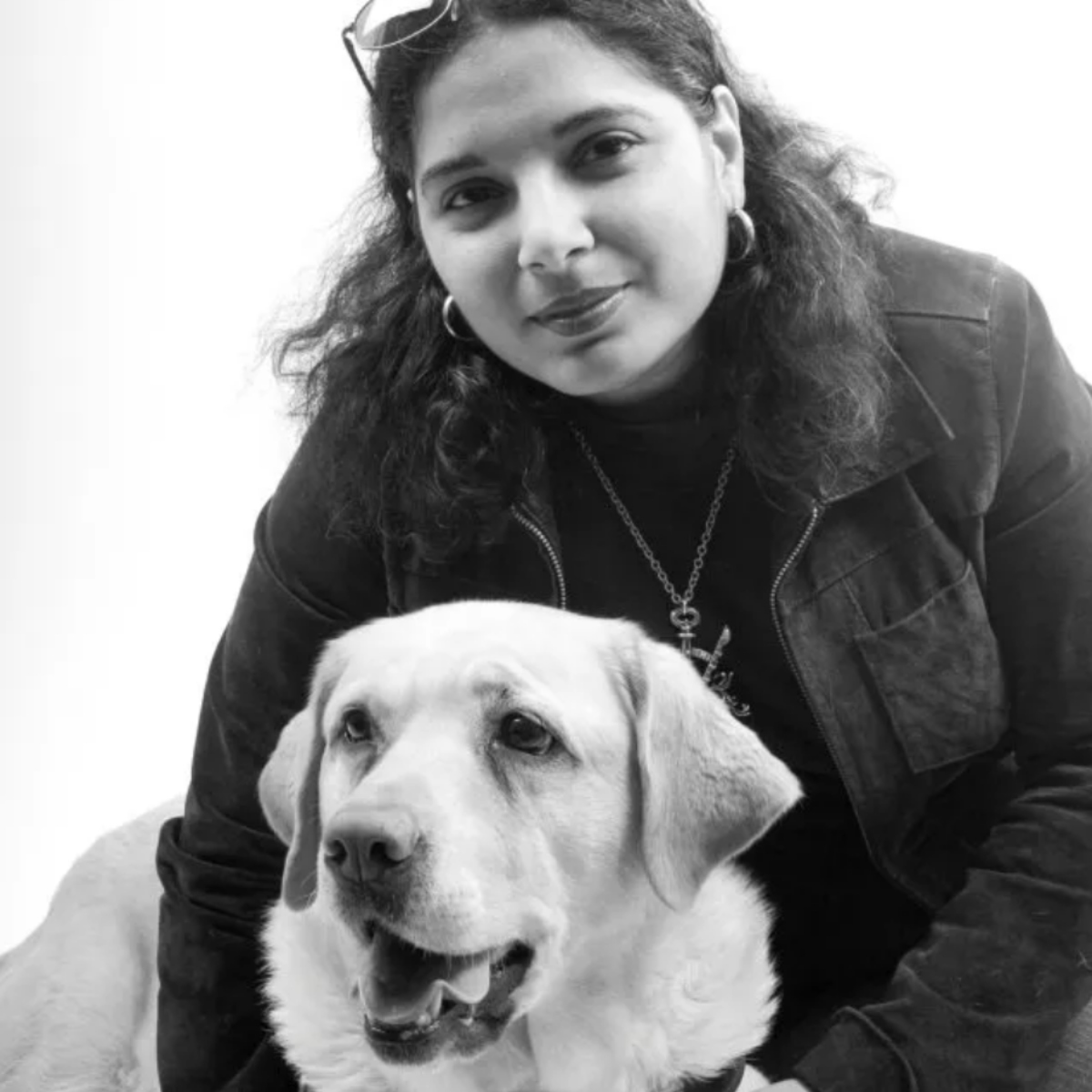
They are often assumed to only be interested in or capable of covering only disability-specific issues, Day Al-Mohamed told iMEdD, a visually impaired disability rights advocate, policy expert, author, and filmmaker, who had served as Director of Disability Policy at the White House under Joe Biden.
“I think that [this stereotype] often triggers worries, and people tend to hide it because it’s seen as a question of their capacity to do the work. We are seeing more people speaking about it now, but many of them are working in independent journalism rather than being attached to a specific media organization.”
Even though laws such as the Americans with Disabilities Act make it clear that employers should not discriminate, many newsrooms still do so, added Al-Mohamed. “The law says you should not discriminate, and that’s easy to say. The real question is how you enforce it. The problem with the way discrimination law works in the U.S. is that it relies on individual complaints. So, unless someone comes forward and files a complaint, there isn’t an enforcement body stepping in to say: you’re doing this wrong.”
She noted that discrimination can be both obvious and subtle, often hidden in the day-to-day work. “You might not be assigned a strong story, or you notice that your pitches get rejected more often. Sometimes editors will say things like, ‘We don’t really understand why this is important.’ These kinds of reactions can happen when you’re working with certain editors.”
We are seeing more people speaking about it now, but many of them are working in independent journalism rather than being attached to a specific media organization.
Day Al-Mohamed, visually impaired disability rights advocate, policy expert, author, and filmmaker.
Breaking news, breaking point
Newsroom culture has long been built around a particular image of the journalist: always on call, able to handle stress, erratic hours, and tight deadlines. For many journalists with disabilities, that model can become a barrier to inclusion.
Lara Joannides, a neuroinclusive consultant and coach and former Project Lead for the Culture, Development, and Diversity, Equity & Inclusion Team for BBC News, has spent over a decade navigating the pressures of busy newsrooms as a journalist and producer before turning her focus to changing them from the inside.
Between 2019 and 2025, she led culture and development initiatives like the BBC’s award-winning 50:50 The Equality Project. It was during those last years that she experienced burnout multiple times, she told iMEdD.
The symptoms first appeared in 2018. They were initially diagnosed with “anxiety and depression”, though the diagnosis never felt quite right to her. “I was [thinking] I’m not a depressed person. I generally enjoy life. I get excited about things. But I am feeling very anxious. I keep having anxiety attacks,” she added.
Despite being signed off for two weeks, she went back to work after just a few days, feeling guilty and without much support in the office. When the COVID-19 pandemic hit, working from home briefly made things easier. Lockdown helped her focus and reduce some of the stress. But when she returned to the office and took on a leadership role in 2022, the pressure built again, and the burnout came back.
“So, I went back after two weeks, and then three months later, I was signed off again. At that point, I realized this couldn’t keep happening. I had to figure out what was going on,” she added.
She soon began exploring her own neurodivergence. After someone on her team mentioned attention-deficit/hyperactivity disorder (ADHD), she started to suspect it herself, and the diagnosis she received helped her make sense of what she had been experiencing.
Reasonable disability accommodations: it can feel like a “lottery.”
Joannides noted that support for employees with disabilities, especially invisible ones, can feel like a “lottery” in newsrooms like the BBC, often depending on a manager’s experience, understanding, or leadership style.
“In journalism, you’ll have brilliant reporters, editors, and producers, and moving into management is just the next step,” she said, emphasizing that newsroom managers usually lack leadership training in supporting and developing their teams. In addition, while the BBC had resources on its intranet, “they were hard to find and often unknown to managers”.
Joannides’ work on the BBC’s Diversity and Inclusion team focused on helping managers understand and use available resources, while promoting a “people first” approach that prioritized mental health over purely output-driven goals.
“Yes, the news is important, but at the end of the day, if a few things don’t get done for the sake of someone’s mental health, that’s the most important thing. It can be a battle, though, with managers who see it differently,” she added.
Yes, the news is important, but at the end of the day, if a few things don’t get done for the sake of someone’s mental health, that’s the most important thing.
Lara Joannides, a neuroinclusive consultant and coach.
Recognizing and addressing burnout in the newsroom
Speaking to iMEdD, experts warn burnout in journalism goes beyond exhaustion and now poses serious risks to press freedom.
Moving forward
In November 2023, Indian journalist Priti Salian launched her newsletter, Reframing Disability, aiming to boost the visibility of disability coverage. The newsletter quickly grew to over 1,650 subscribers across 73 countries.
In late March, Salian also published a directory of disabled news media professionals open to work, seeking to bridge the gap between newsrooms looking to hire disabled talent and the perception that such professionals are hard to find.
The directory already lists 60 media professionals from 15 countries and continues to grow.
“It includes reporters, photographers, photojournalists, Illustrators, podcasters, videographers, and camera persons. Everybody identifies as disabled but also is available for hire,” said Salian. It’s a way to make talent visible. “So, newsrooms cannot say we don’t know anyone,” she added.