We asked this question to journalists and representatives of journalism organizations from the iMEdD network who joined us at SNF Nostos 2026 and took part in this year’s event.
Photos: Petros Toufexis/iMEdD
Featured image: Evgenios Kalofolias
The interviews are edited for length and clarity.
“Why journalism matters now” read the installation welcoming visitors to the iMEdD Station at the Stavros Niarchos Foundation Cultural Center. Created in the foyer of the Greek National Opera, the iMEdD Station served as an open space for journalism throughout the week-long anniversary edition of SNF Nostos 2026.
At a time when journalism is confronted with challenges such as declining public trust, increasingly fragmented audiences, and an ever-more crowded and chaotic information ecosystem, one question feels more relevant than ever: “What makes journalism open to the public”.
We posed this question to eight members of the iMEdD network who joined us at SNF Nostos 2026. Although each conversation began from a different starting point—press freedom, local journalism, live journalism, investigative reporting, storytelling, and beyond—they all pointed toward the same underlying conclusion: journalism earns its place in society when people do more than simply consume it. They trust it, participate in it, and recognize themselves in the stories it tells.
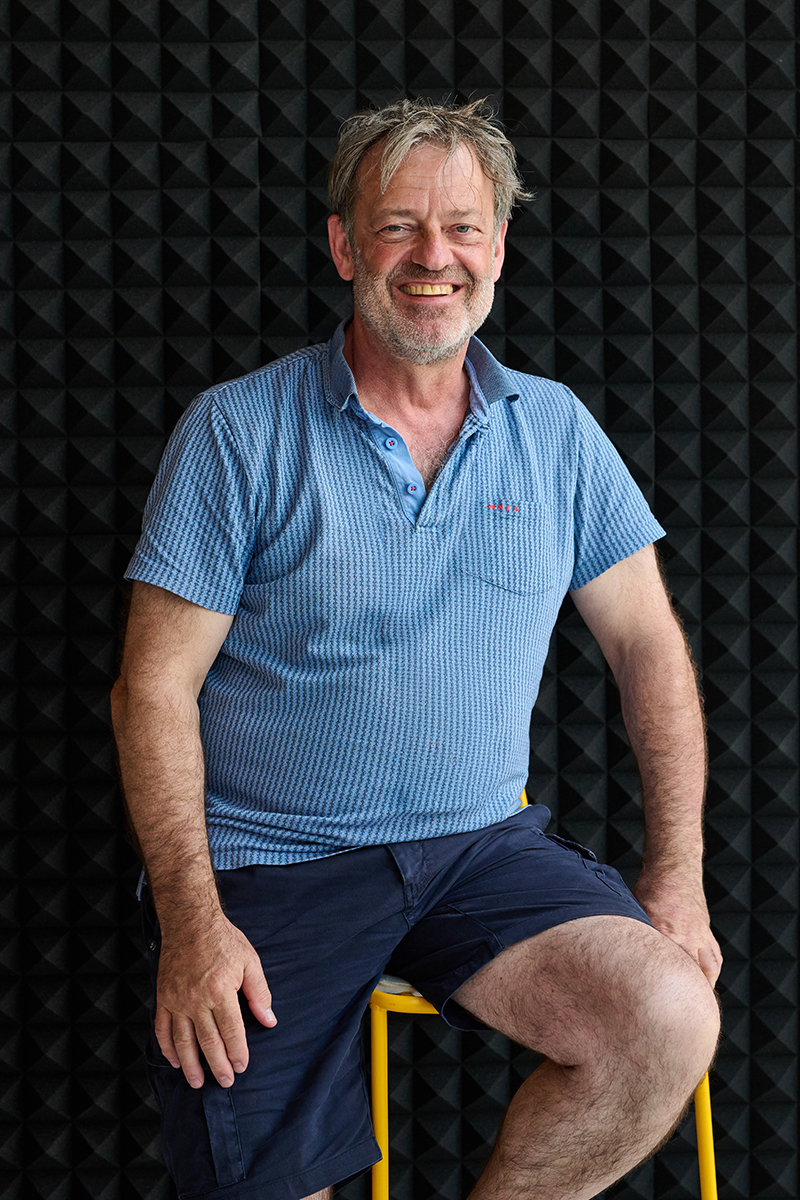
Ides Debruyne, Co-Founder and Managing Director, Journalismfund Europe
We are in the transparency business, and the first step is that you are transparent yourself. So, it is not just the distribution, which is important, but also the way you have done [your work]. Open journalism means letting the public into the process: showing your methods, sharing data, being explicit about what you know, how you know it, what you don’t know, and what was difficult. That act of showing your work is what builds trust. The only thing you have [as a journalist] is your credibility; the more transparent you are, the better.
[In] Journalismfund Europe, we try to do this ourselves, by opening everything. If you go to our website, you can see who supports us, how much money we have, and where it goes. You can see from what kind of stories we support to what kind of media outlets, and what kind of journalists [we support]. Being transparent is what we try to do as an organization. People would say “well, then you make yourself vulnerable”. But, I think, it’s the opposite. It’s protection, you make yourself stronger because you are transparent.
If you want engagement, you need trust. If you need trust, you need transparency and openness. Engagement follows trust, not the other way around. People engage with journalism [when] they believe it is on their side. If they see that you are not connected to those in power, you don’t have any links to them, but you really work for your audience, they will trust you, they will get engaged; they will stand up in the best cases. So, the community angle is real, but it cuts both ways. Strong communities around journalism are a genuine good, but the same mechanisms that build community can also build echo chambers. The honest version is that open, participatory journalism is worth doing and requires editorial spine.
If you want engagement, you need trust. If you need trust, you need transparency and openness. Engagement follows trust, not the other way around.
Ides Debruyne, Co-Founder and Managing Director, Journalismfund.eu
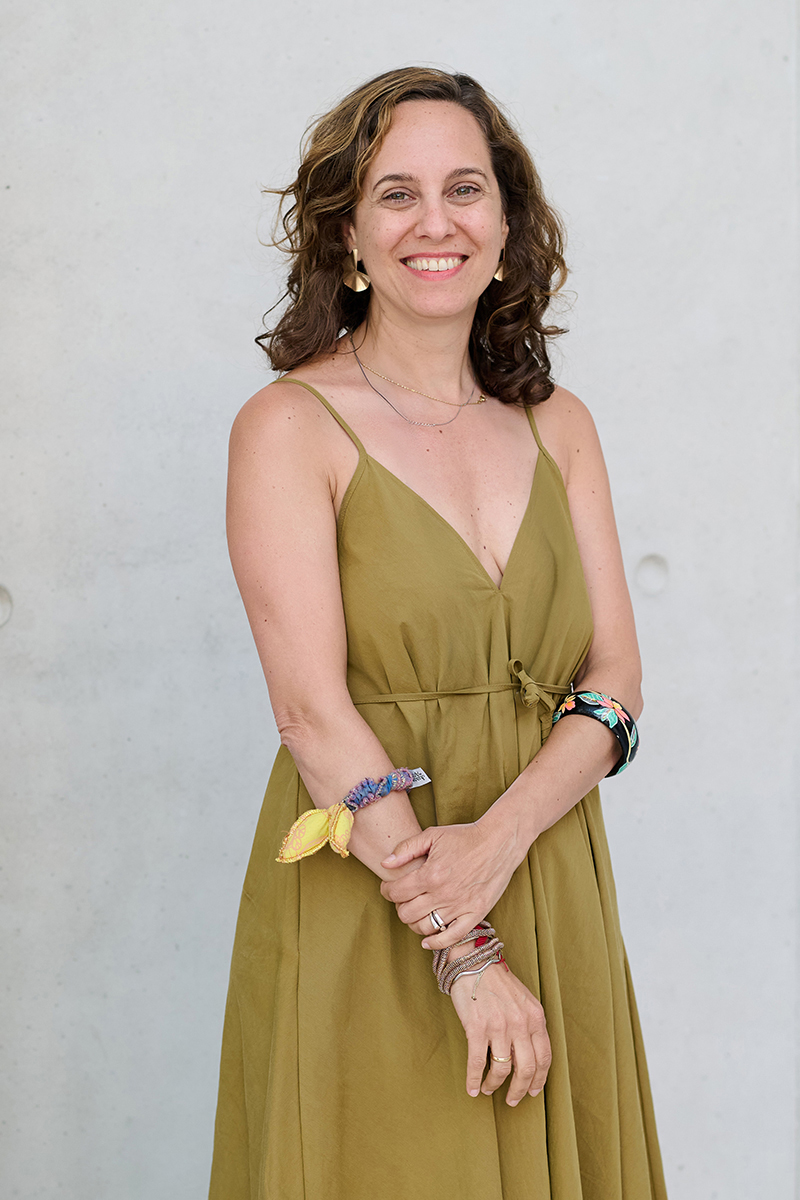
Gabriela Manuli, Director of Special Projects, IPI
I think what’s important is to talk about building relationships, about connection with the audience and about engagement. It’s amazing to see firsthand the real power of journalism, specifically investigative journalism, can have in a society. [When] audiences encounter good journalism, they connect with it. There are a lot of examples of great journalism done in repressive or authoritarian environments. Sometimes it’s not possible to do it in the place where everything is happening, but you can see great examples of journalism being done from exile, from reporters from Venezuela or cases in Afghanistan. If you take a look at the recent Press Freedom Heroes and Free Media Pioneer Awards [by IPI and IMS], they are very clear examples of good journalism that is making a difference and connects with audiences.
One of the strengths of independent media, in Hungary or in other places where journalism is under pressure, is the relationships they manage to build with the community and the public. We have a very big crisis of public trust; you have the AI-hallucinations and fake news. People are actually having trouble understanding what’s real, what’s not. My friends know I’m a journalist and sometimes they come to me with questions: “how do I know if the news is true or not?”.
I think that’s where the value of journalism and good journalism is more important than ever: [it] is helping audiences navigate this new ecosystem and trying to divide what’s true, what’s not and of course involving the communities. That’s why we have among our IPI members a lot of great examples of local journalism, also. We have a member from Conecta Arizona; they managed to bring journalism closer to the audiences by using WhatsApp to demystify news or help the audiences.
One of the strengths of independent media is the relationships they manage to build with the community and the public.
Gabriela Manuli, Director of Special Projects, IPI
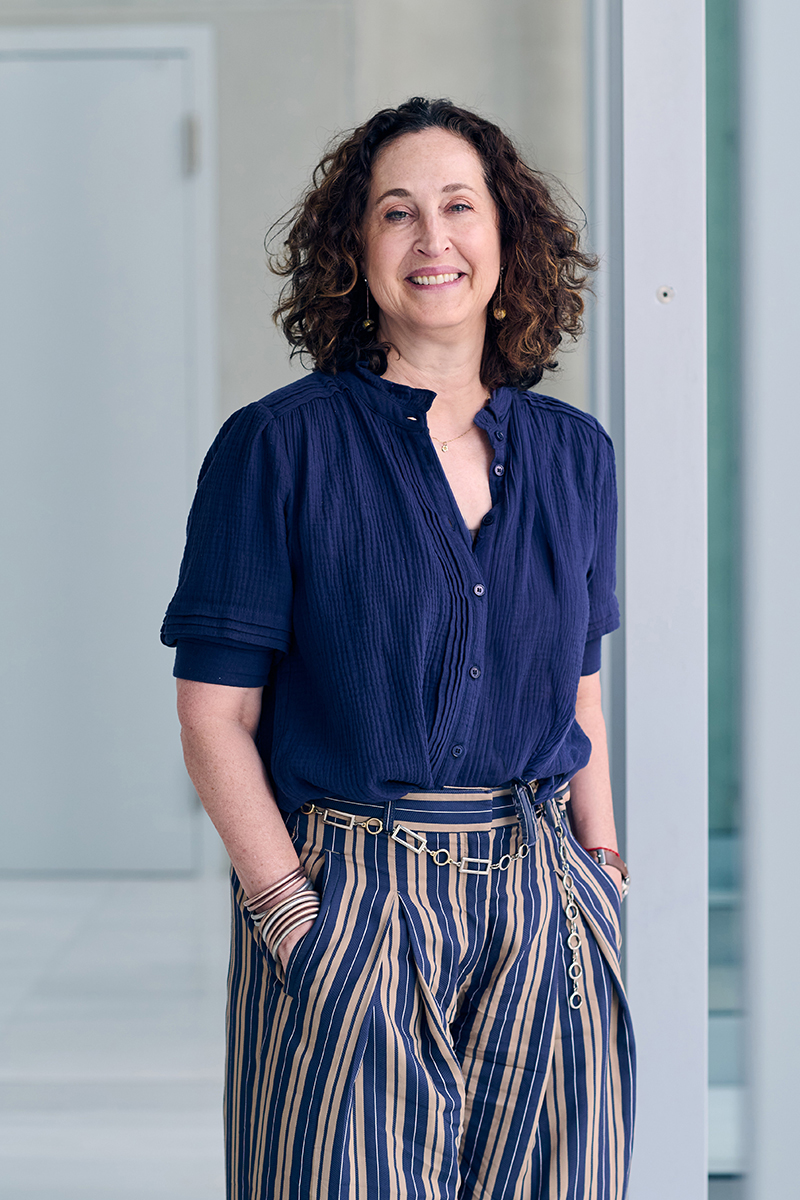
Sharon Moshavi, President, ICFJ and Co-CEO, ICFJ+
There is a difference between what makes journalism engaging and what should make it engaging, but in many ways they are the same thing. Traditionally, journalism has been: “I do my piece, I send it out into the world, and [ people] do with it what they want.” That worked in an era when there were very few news and information sources, and people had deeper trust in institutions, including news institutions.
Journalism is incredibly important for society. More than anything, its role is to look at all sides of something; not every side is equal. [Journalism needs] to understand something completely and then put it out into the world. But today, in the environment we live in, it can’t only be that.
Journalism is a method and a set of values. I don’t think it has to compromise its values, it needs to think about who it serves, understand the needs [of their communities] and consider the impact of their work even before doing it.
We talk a lot about building trust, but I’ve slightly flipped that on its head, and I ask: how does journalism make itself trustworthy? I think you have to look at it from every part of the journalistic process and think about it from the ideation, the reporting, the editing, the distribution, and yes, the marketing of it, the selling of it to people, and thinking about it at every stage. This needs to be a two-way street.
We talk a lot about building trust, but I’ve slightly flipped that on its head, and I ask: how does journalism make itself trustworthy?
Sharon Moshavi, President, ICFJ and Co-CEO, ICFJ+
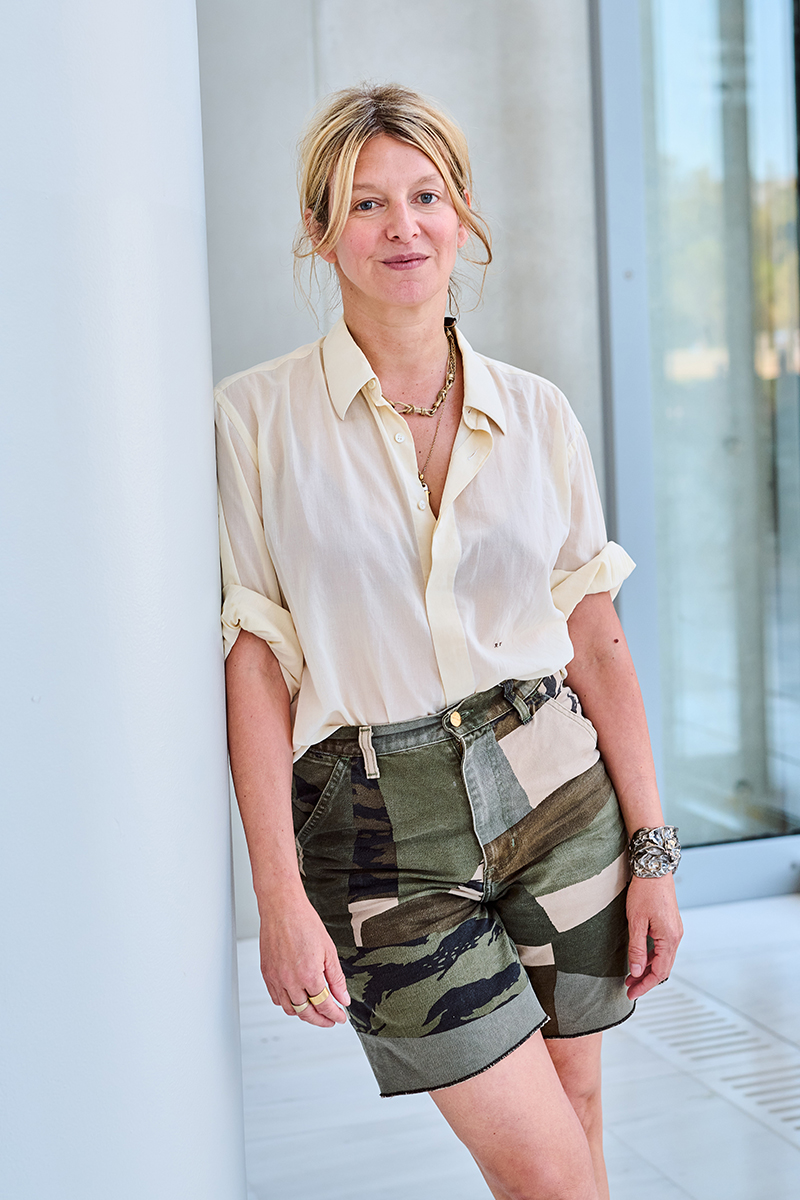
Valentine Faure, Journalist at Le Monde & Author
I think it’s a very crucial time for journalism right now. The relationship with readers is something we really have to nurture, because there is such a hostile sentiment towards journalists, and journalism in general. [That is why] it’s very important to be as open as possible about how we work. For example, I work with the op-ed section; we have to be extremely open in our process: how we select op-eds, how we decide who can speak in our newspaper.
[At the same time,] we have to be very open to new forms of journalism. It is important to publish long, investigative pieces, but we must also consider video and Instagram [posts], as a good way to reach out [to audiences] and to convey information. [With live journalism], at first, I felt frustrated, because you have to take out a lot of information to make [a story] simple and clear on stage. But I realized I wasn’t losing anything essential. Instead of explaining everything, you describe a scene and let people understand it for themselves. This is the narrative way, which is a good lesson on how to do things simply: show, don’t tell.
Instead of explaining everything, you describe a scene and let people understand it for themselves. This is a good lesson on how to do things simply: show, don’t tell.
Valentine Faure, Journalist at Le Monde & Author
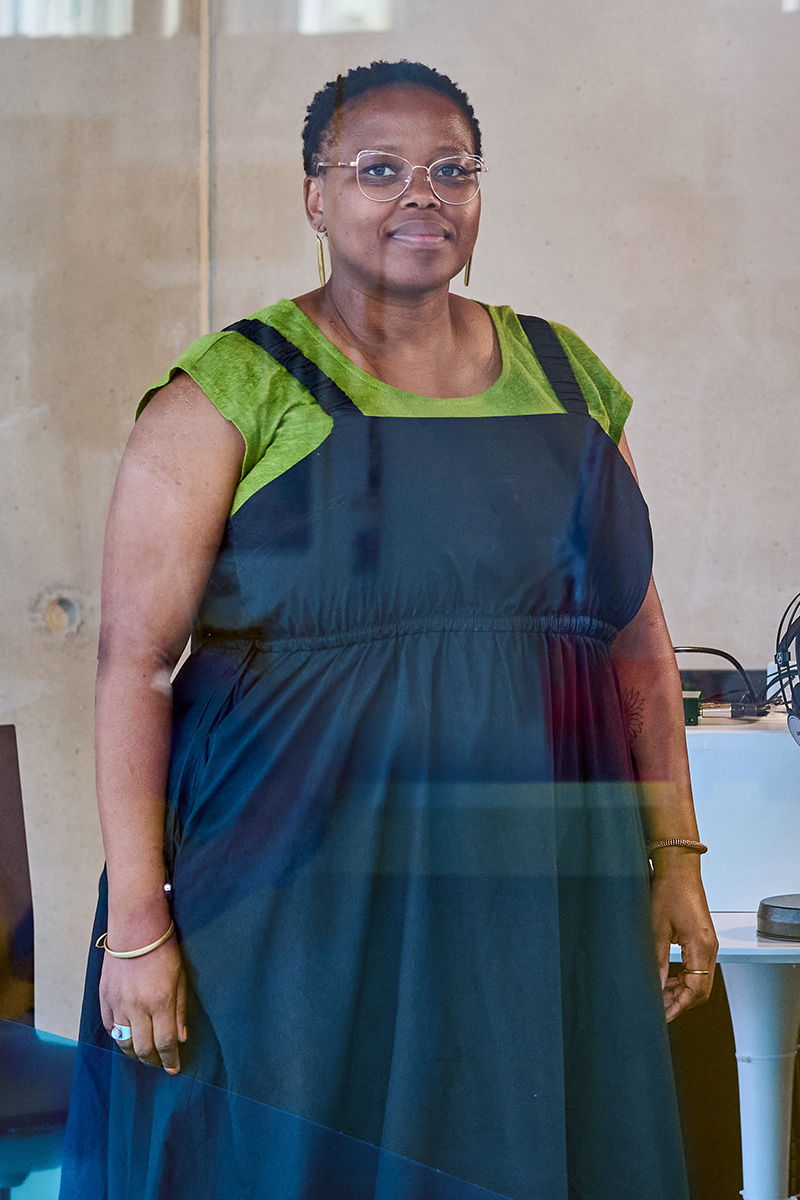
Lesedi Mogoatlhe, Host & Editorial Director, Radio Workshop
What makes journalism engaging to society is often stories. As much as journalism is mirroring what’s happening in society, people can reflect on who they are and understand the diversity of society. Truth, holding people accountable, and all the things that journalism does, are important, but the telling of the stories is what really engages people mentally but also emotionally.
There is an abundance of access to social media and cell phones; I think that is really helping to bring people into journalism, especially young people who in many ways were excluded from political conversations or big resolutions about social issues and political issues. Now they don’t have to ask permission to be included in the conversations. They just insert themselves through the platforms that are now available to them.
I really don’t like the saying that journalism is like “a voice for the voiceless”, because I don’t think anyone is voiceless. But I do think that people can be left out. I think journalism can do or play a part in making sure that the microphone or the camera turns towards those people and makes them part of the society they already are. Representation is so important. When people are not represented, they disappear. It’s so important to see yourself in stories, in the news, for you to feel, in a very simple way, a sense of belonging.
I don’t think anyone is voiceless. But I do think that people can be left out. When people are not represented, they disappear.
Lesedi Mogoatlhe, Editorial Director of the Radio Workshop podcast
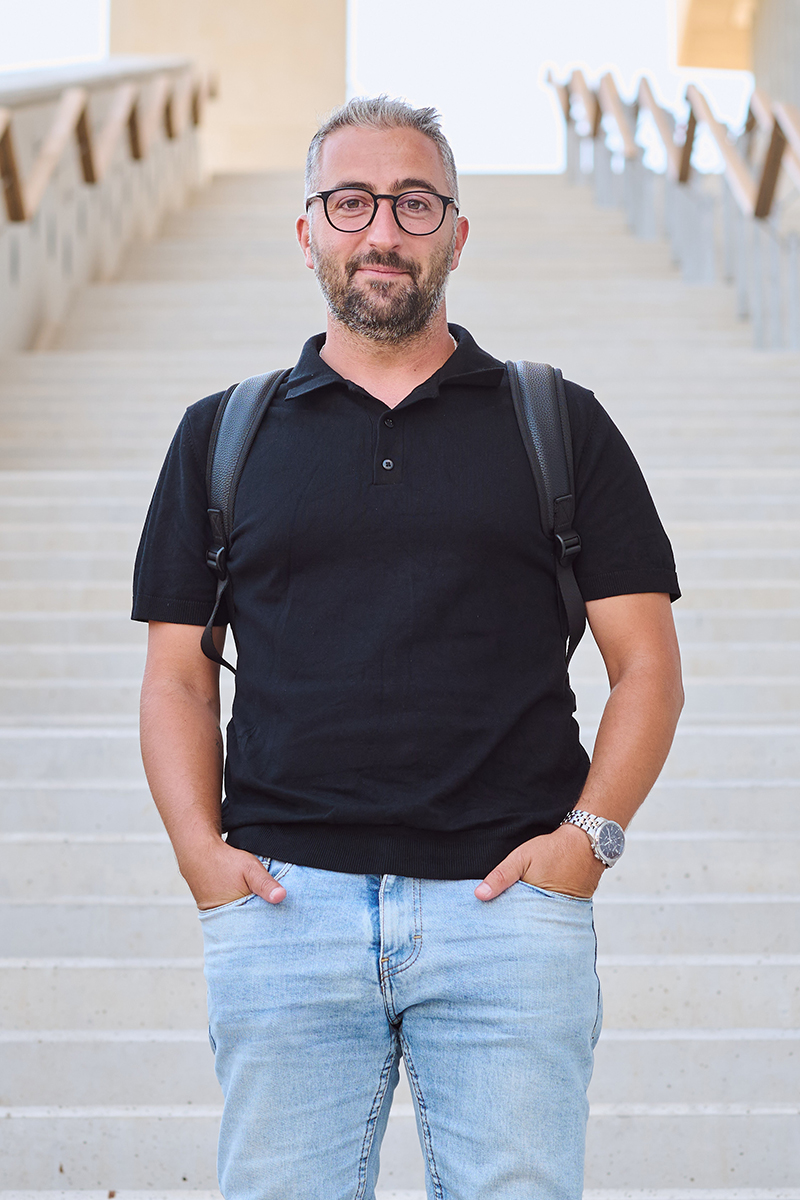
George Mavridis, Journalist, Xanthinea.gr
“Journalism cannot function, especially nowadays, from a distance, or from a position of authority and power. Journalists must include society in the process of producing journalistic work. By that, I mean we shouldn’t just publish a report and wait for the reactions, but we need to listen to society right from the very start. This is how we come closer to the community and build relationships of trust.
[Coming] from local journalism, I see this in practice much more intensely: a journalist meets the community they write about every single day—on the streets, at events, in small and big demands, in shared concerns. This is how you build a type of journalism that isn’t locked inside an office; you build a relationship of trust with your audience. You don’t view them simply as readers, viewers, or traffic numbers on a website, but as people who have their own opinions, anxieties, and questions.
What makes journalism open to society today is its willingness to listen. The more it listens to society and comes closer to it, the more open and inclusive it becomes. It [journalism] gives a platform to people who otherwise wouldn’t have access to public debate. This does not mean, of course, that you compromise on factual documentation or distance yourself from the principles of journalistic ethics and codes of conduct—on the contrary: you operate ethically, with greater transparency
What makes journalism open to society today is its willingness to listen.
George Mavridis, Journalist, Xanthinea.gr
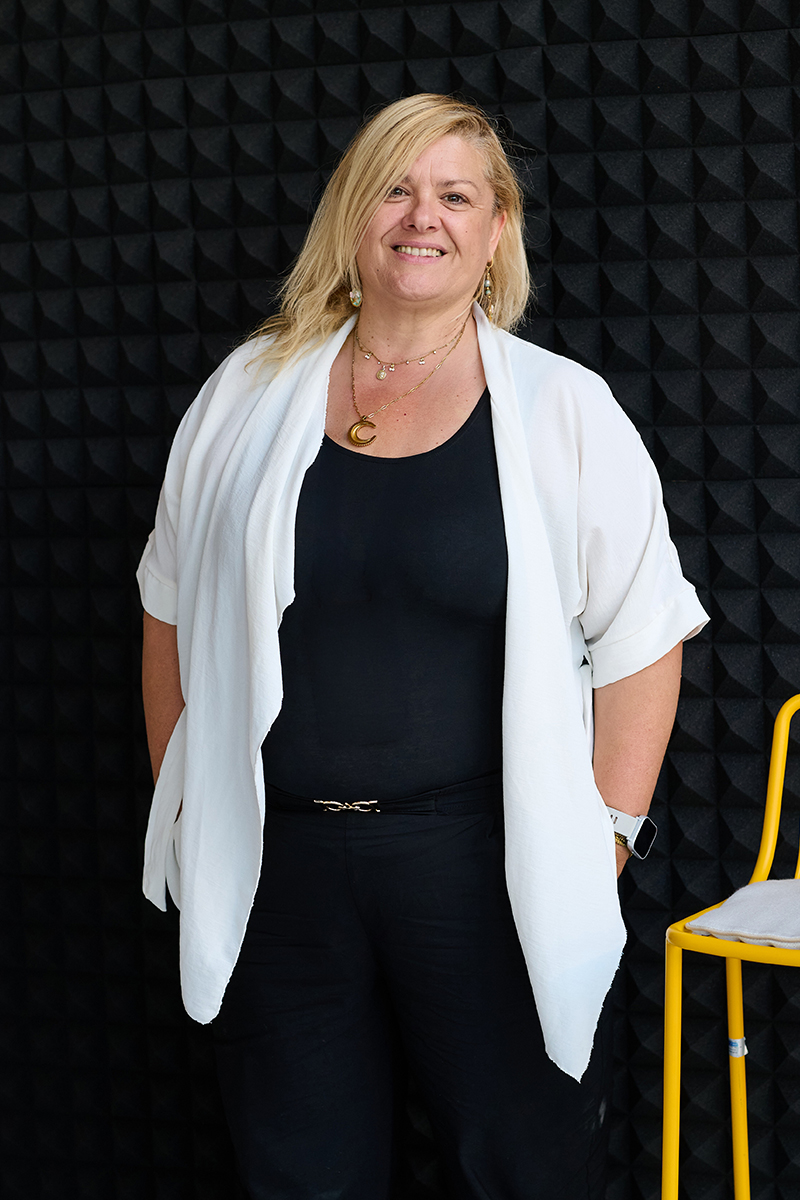
Mairi Kariotaki, Journalist, CRETE TV
If journalism is not open to society, it is not journalism. [Open journalism] means dealing with all the issues that touch upon daily life and society, giving a voice to society—and especially to the people who are not often heard. Open journalism is that which makes the world visible and, sometimes, lends its power to those who don’t have any.
People say that journalists, in general, should keep a distance from events. I have never felt that way. I am part of society; I don’t come from a parallel universe. I live in this society and I face the same problems that many people face—from the high cost of living in daily life to health issues. Journalism draws its power from society—and society has power when it has strong journalism by its side. Whenever I tackle a topic, I engage with it as if I am living it myself. I believe that only when you truly step into someone else’s shoes can you handle [the topic] correctly.
Open journalism is that which makes the world visible and, sometimes, lends its power to those who don’t have any.
Mairi Kariotaki, Journalist, CRETE TV
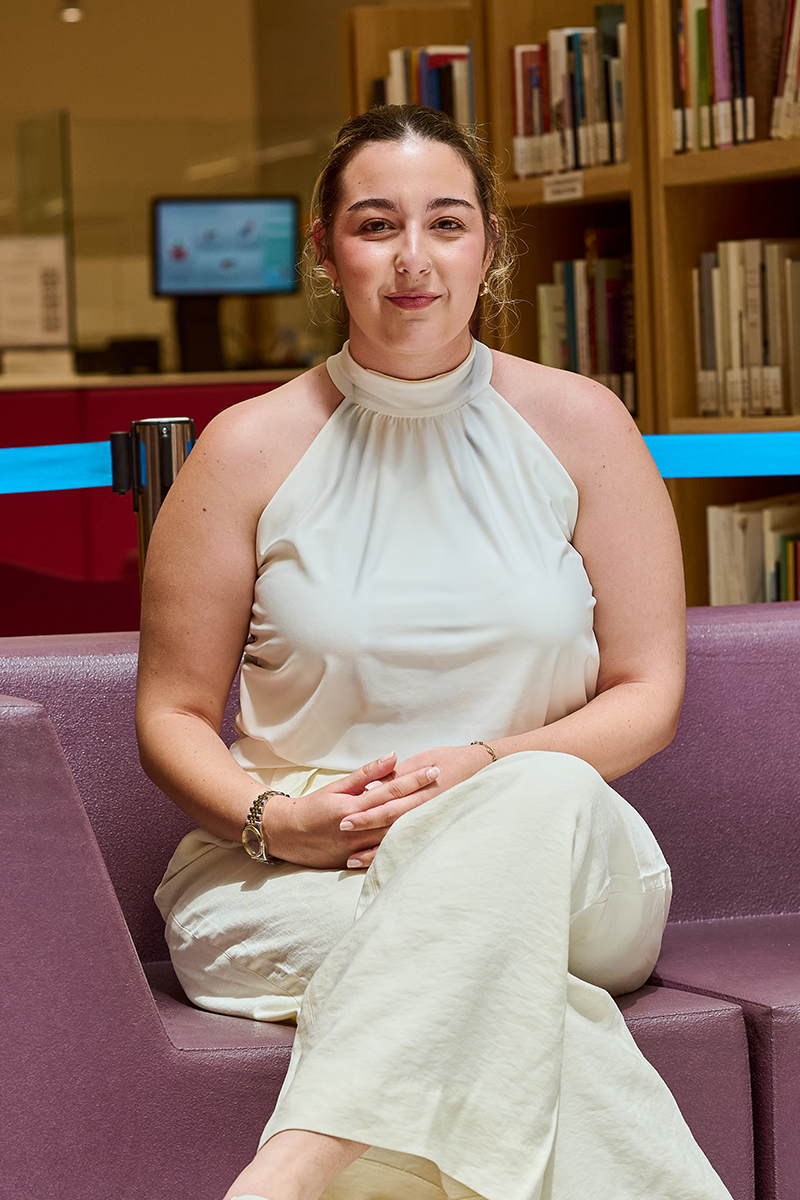
Ifigeneia Bovolou, Student, Department of Communication and Media Studies, University of Athens
I believe that journalism at this moment is not open. There is a [perception] that journalism has now become more open because of the internet, but I do not agree: if anything, there is a greater need for real journalists to come forward, and not people who are just sharing their opinions. I think that my generation, the moment they see that something is wrong, or if they disagree with something, or if they see that a journalist has taken a ‘line’ that is not so objective or neutral, they immediately cancel them—this is both good and bad.
In general, what we as a generation expect from journalists is, I believe, very different compared to [the past]: we actually expect people, we expect to see their human side behind things. For example, a journalist is at a fire or a disaster. I don’t expect them to say, ‘I am not participating in things, I am not upset, I don’t show emotion.’ We expect to see that they are human beings behind it, that they are just like us. In many instances, we feel that journalists do not understand the people they are addressing, and I feel that we need this.
I think that my generation, the moment they see that a journalist has taken a ‘line’ that is not so objective or neutral, they immediately ‘cancel’ them.
Ifigeneia Bovolou, Student, Department of Communication and Media Studies, University of Athens