What the Orbán era left behind, where Hungary’s public media stand today, and what journalists expect after Fidesz’s defeat in April 2026.
Feature image: A message on the screens of Hungary’s M1 viewers on 07 July 2026. That day the Hungarian public television went dark to mark the passing from an era to another. EPA/Tibor Illyes HUNGARY OUT.
Translation: Evita Lykou
In December 2010, after the newly elected Orbán government passed a new press and media bill, a minute of silence was observed on the morning program of the Hungarian public radio station MR1-Kossuth in memory of press freedom.
Sixteen years later, on July 7, 2026, Hungary’s public M1 TV channels will go dark for one afternoon, while Kossuth will go off the air, thus celebrating a new era for the country’s media. Péter Magyar, the new prime minister who had been elected in April 2026, wrote on Facebook that day: “A historic day. Today marks the end of propaganda broadcasts on public media platforms. They lied at night, they lied during the day, they lied on every wavelength. That is now over.”
So, what happened to the country’s public media during the 16 years that Fidesz was in power?
Sixteen years of restrictions
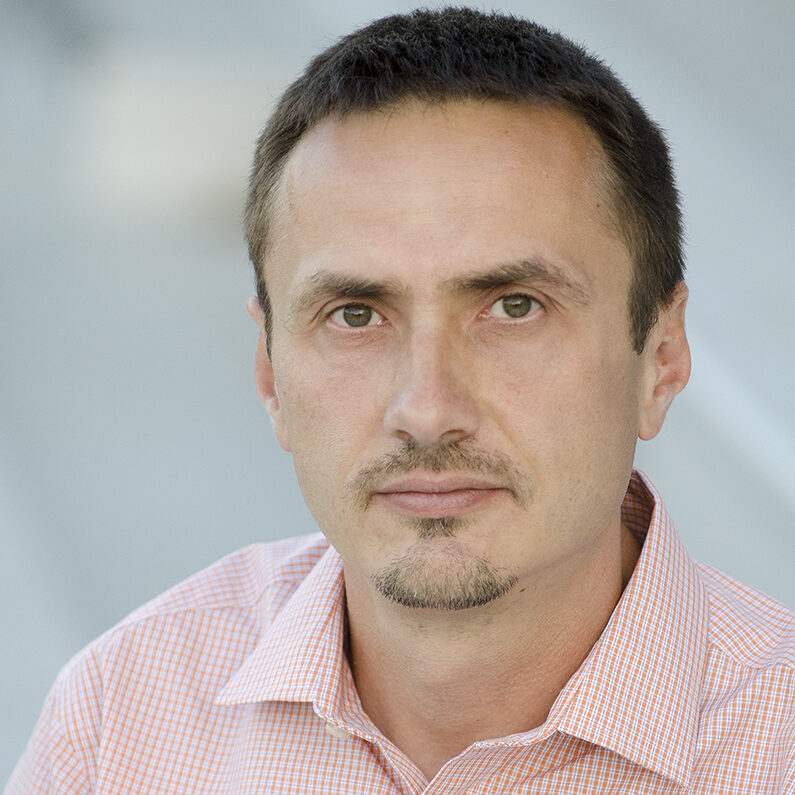
It was December 22, 2010, at 6:00 a.m. when Attila Mong, then the anchor of Kossuth Radio’s morning news, announced he would cover in detail the new media bill passed by Viktor Orbán’s government just a few months after Orbán’s election as prime minister of Hungary.
“Last night, the Parliament passed a new media bill. According to current law and the radio station’s bylaws, I am not permitted to comment on the news. For this reason, and with the consent of this program’s editor-in-chief, Zsolt Bogar, I ask that we observe a moment of silence.” While Mong was speaking, Viktor Orbán’s affiliates had already assumed key roles within the organization. Consequently, both he and his editor-in-chief were suspended.
“We felt it was very important to stop for at least a moment and try to understand what was happening to press freedom in Hungary,” Mong, now Europe’s Program Coordinator for the Committee to Protect Journalists (CPJ), told iMEdD in September 2023.
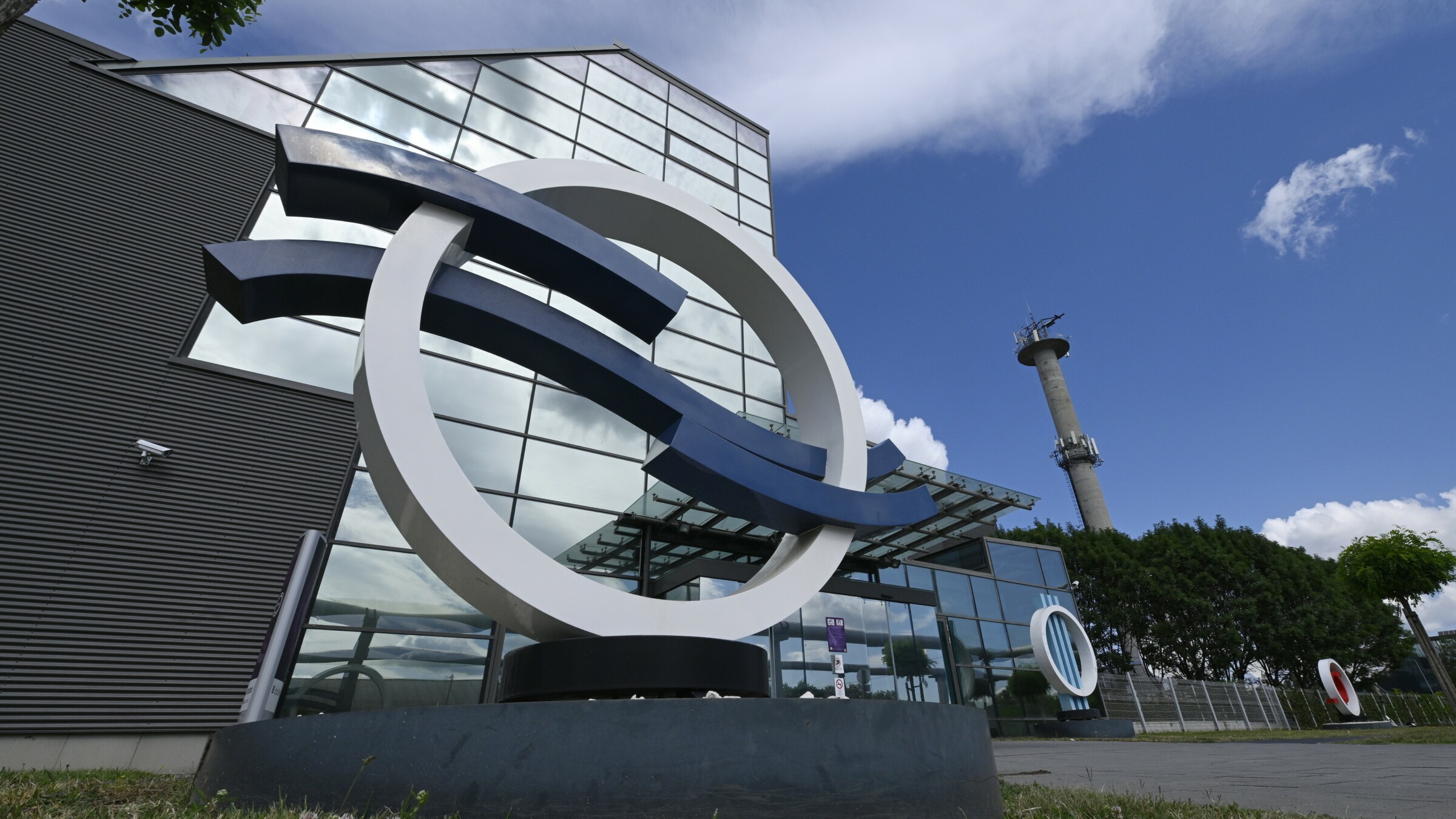
The bill that ended Mong’s career in public media was amended by the European Union in March 2011 since it was deemed to restrict freedom of the press. However, the articles concerning the creation of a media oversight body whose members were appointed by the ruling party, and the centralized structure of Media Services Support and Asset Management Fund (MTVA), which would fund and produce content for public media, remained.
“When things go wrong, people are ready to give up some of their rights or liberties. And press freedom is kind of very abstract freedom. It affects your life. Once you don’t have it, you realize its impact,” says Attila Mong to iMEdD today.
This was only the beginning: during the sixteen years of Fidesz’s rule, the country’s few remaining independent investigative media outlets revealed multiple cases confirming the poor state of press freedom in Hungary.
When things go wrong, people are ready to give up some of their rights or liberties. And press freedom is kind of very abstract freedom. It affects your life. Once you don’t have it, you realize its impact.
Attlia Mong, Europe’s Program Coordinator, Committee to Protect Journalists (CPJ)
In 2022, the independent Hungarian investigative outlet Direkt36 revealed, through leaked documents and emails, how the government’s political and governmental interests influenced public media outlets such as the national news agency Magyar Távirati Iroda (MTI). These emails contained instructions for covering specific topics (e.g., journalists were not allowed to show children or women in stories about immigration); lists of events that political figures would attend; and texts with ready-made headlines and leads with clear instructions to not be edited.
Since 2018, a corresponding article by the International Press Institute (IPI) has investigated the existence of the organization KESMA, which has allowed Viktor Orbán to control private media through their acquisition by oligarchs sympathetic to the Fidesz party. According to Reporters Without Borders (RSF), the organization’s goal was to support the government’s propaganda by controlling the entire media landscape.

Meanwhile, the journalists encountered numerous challenges: sources refused to speak with them, and they were attacked by their colleagues on state and pro-government channels.
Smear campaigns against journalists are a long-standing tactic of the Orbán government . “Within the investigative journalism community, the government’s propaganda machine was a well-known concern,” recalls investigative reporter and correspondent Flora Garamvölgyi, who covers European news, and specifically that from Hungary, for international media outlets such as The Guardian, Radio Free Europe and others.
The most common threat to independent journalists was being labeled as “foreign agents”; a narrative initially adopted by the Russian government and then spread to other European regimes. This resulted in a lack of trust in their sources and made it difficult to access government documents.
After April 12
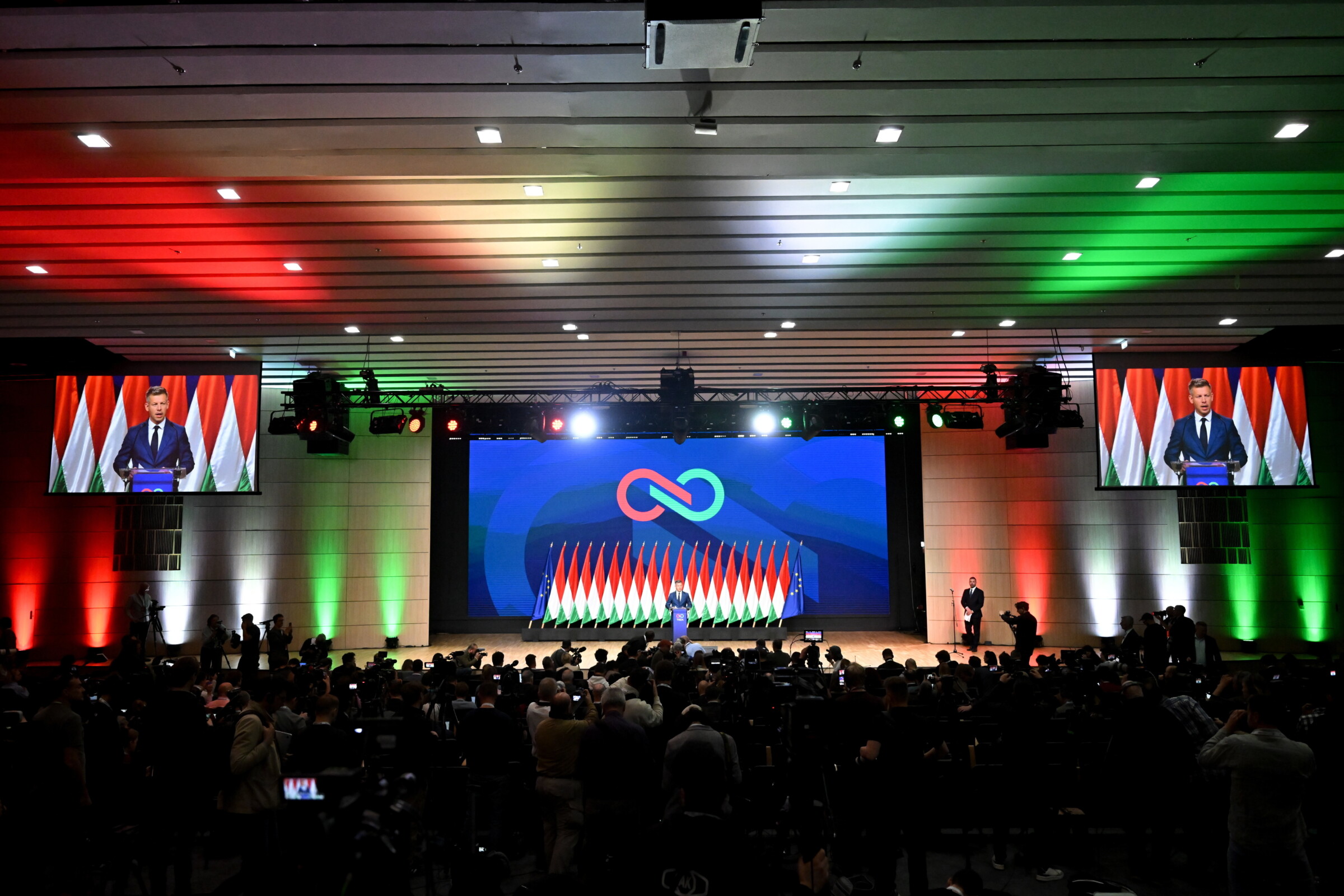
On April 13, 2026, newly elected Prime Minister Péter Magyar held a three-hour press conference. After so many years of limited access to power for independent media, the move is considered symbolic.
In an article in the Columbia Journalism Review, Dr. Gábor Polyák, a media lawyer and academic at Eötvös Loránd University in Budapest, explains why it is crucial to replace the people who have been shaping public discourse and making decisions all these years.
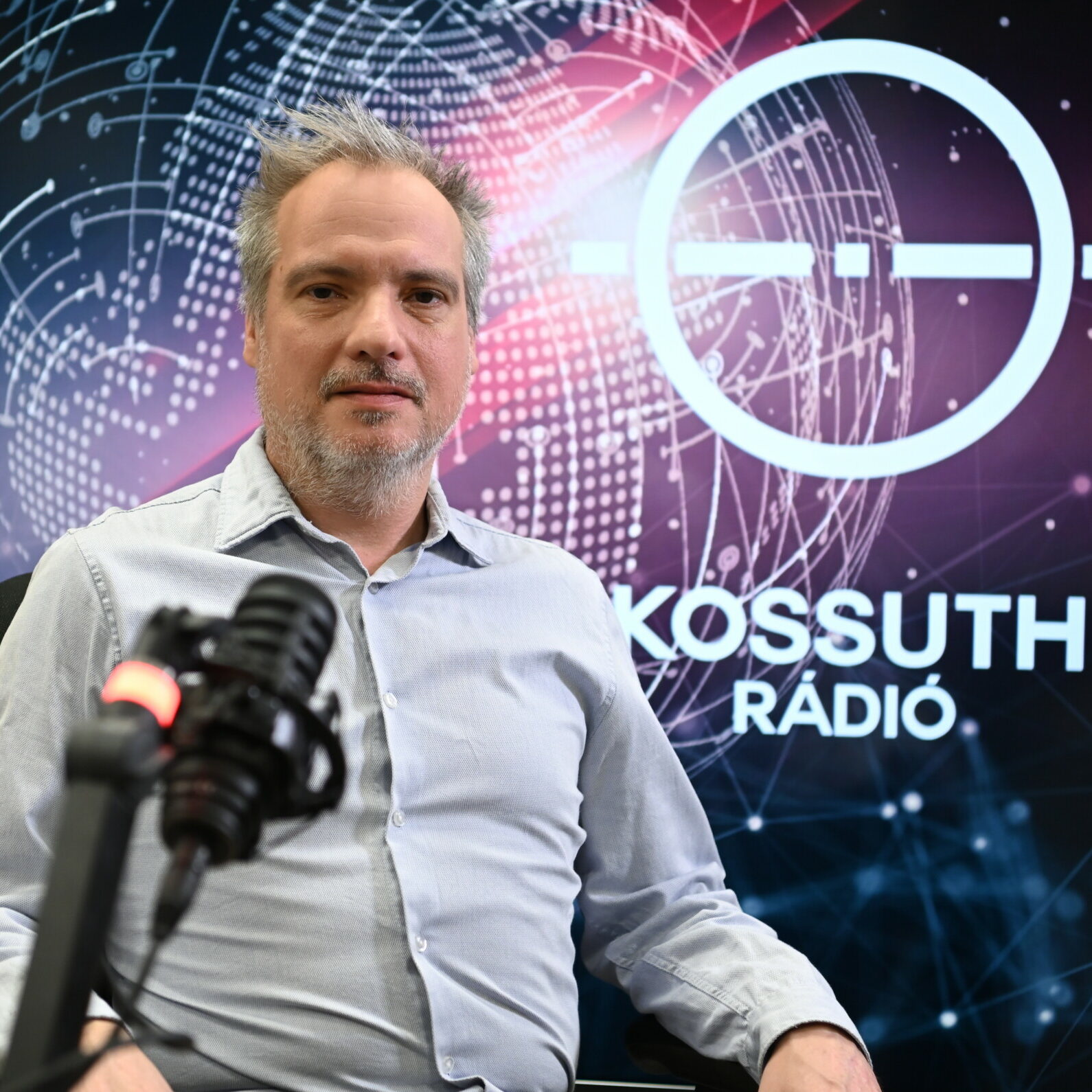
Péter Magyari, a journalist who worked for the independent digital publication Valasz Online, became Deputy Editor-in-Chief at Kossuth Radio in August 2026. Nearly two months later, he spoke with iMEdD about his experience in his new position. He arrived at a newsroom where journalists had not been doing original political coverage for several years, but rather cultural news and programs for the elderly and children.
However, Magyari hopes to turn a new page in Hungarian radio thanks to the recent recruitment of young people with expertise in hard news. “Over the last five years the public media didn’t make their own political news. Fidesz made them use a central news agency, which was also related to the public television. That kind of “super news agency” was making news for the public media and has since ‘closed’. […] Now, we are embarking on a brand new era. So, we had to establish a new newsroom,” he tells iMEdD.
Change doesn’t only happen in the newsroom. In September 2026, Dr. Gábor Polyák was elected President of the independent National Media and Infocommunications Authority (NMHH), which aims to safeguard the interests of both the public and the media.
Fidesz made [public media] use a central news agency, which was also related to the public television. That kind of “super news agency” was making news for the public media and has since ‘closed’. […] Now, we are embarking on a brand new era. So, we had to establish a new newsroom
Péter Magyari, Deputy Editor-in-Chief at Kossuth Radio
Mong adds: “And the [NMHH] members are also internationally respected and acknowledged experts, independent. So even if the ruling party delegated them, they are not party loyalists. They proved it in the last 16 years that they are critical of everybody. So, they are really good choices.”
Earlier this year, on 2 July 2026, the lawyer András P. Horváth took up the post of interim CEO of the new Hungarian media ecosystem. His main mission was to carry out a legal and financial audit of the companies that make it up. He is also overseeing the removal of the previous figures who held key roles in them and had influence over the public media.
On 26 July 2026, MTVA was dissolved and legally merged into the licensed broadcaster Duna Médiaszolgáltató, while the national news agency MTI was fully separated from the media providers and made independent.
On 21 October 2026, the merged entity was transformed into the Hungarian Radio and Television under the name Magyar Rádió és Televízió (MRTV).
The transitional period Hungary is undergoing raises questions about the changes taking place in public media. Access to this information remains difficult. Only the CEO can officially speak about what is happening, and he is expected to be appointed through an open call for candidates running till mid-November 2026.
In its report, RSF describes this moment as “a unique opportunity –the first in 16 years– to break the deadlock on press freedom created by Prime Minister Viktor Orbán,” whom RSF labels a “press freedom predator.” “It is easier than before to find sources and get them to speak, access to public documents is easier and sources reach out to you more,” adds Flora Garamvölgyi, for whom, as for so many other investigative journalists in Hungary, public trust had been shaken.
We have a little while left to see how the larger public will approach, what kind of attitude they will have towards the media, especially if the media outlets will be more critical with the current government or they will expose things that the current government doesn’t like. We’ll see how the public will react to that. I think it’s still too early to tell.
András Pethő, Executive Director and Co-Founder of Direkt36
Nevertheless, according to RSF, 80% of the country’s media outlets are still owned by oligarchs who are close to Orbán and the now-opposition party, Fidesz. András Pethő, Executive Director and Co-Founder of Direkt36, observes the changes taking place: “The system [that prevailed before] is falling apart, because this was all financed by the state. […] We have a little while left to see how the larger public will approach, what kind of attitude they will have towards the media, especially if the media outlets will be more critical with the current government or they will expose things that the current government doesn’t like. We’ll see how the public will react to that. I think it’s still too early to tell.” During a discussion with Sheila Coronel, an investigative journalist and Columbia University professor, at the recent IJ WEEK organized by the Global Investigative Journalism Network (GIJN), he acknowledged that the time has come for Hungarian investigative journalists to turn their attention to corruption in businesses and industries beyond the government.
Independent media outlets, which have long served as trusted sources of information for many readers, are waiting to see what tomorrow will bring. In IJ WEEK, Pethő stated that despite the support they have received from their audience over the years, there has been a decline in financial support from the public because they are not as motivated in a more liberal environment. “Ironically, that’s a big challenge in this new era,” he notes to iMEdD. “But actually, I’m quite optimistic because I believe that good journalism will always receive support and the public’s backing.”