Amid a lull in the news, the news director of Greenland’s public broadcaster speaks with iMEdD about the daily challenges of local journalism, especially when the world is waiting for updates.
Featured illustration by Evgenios Kalofolias
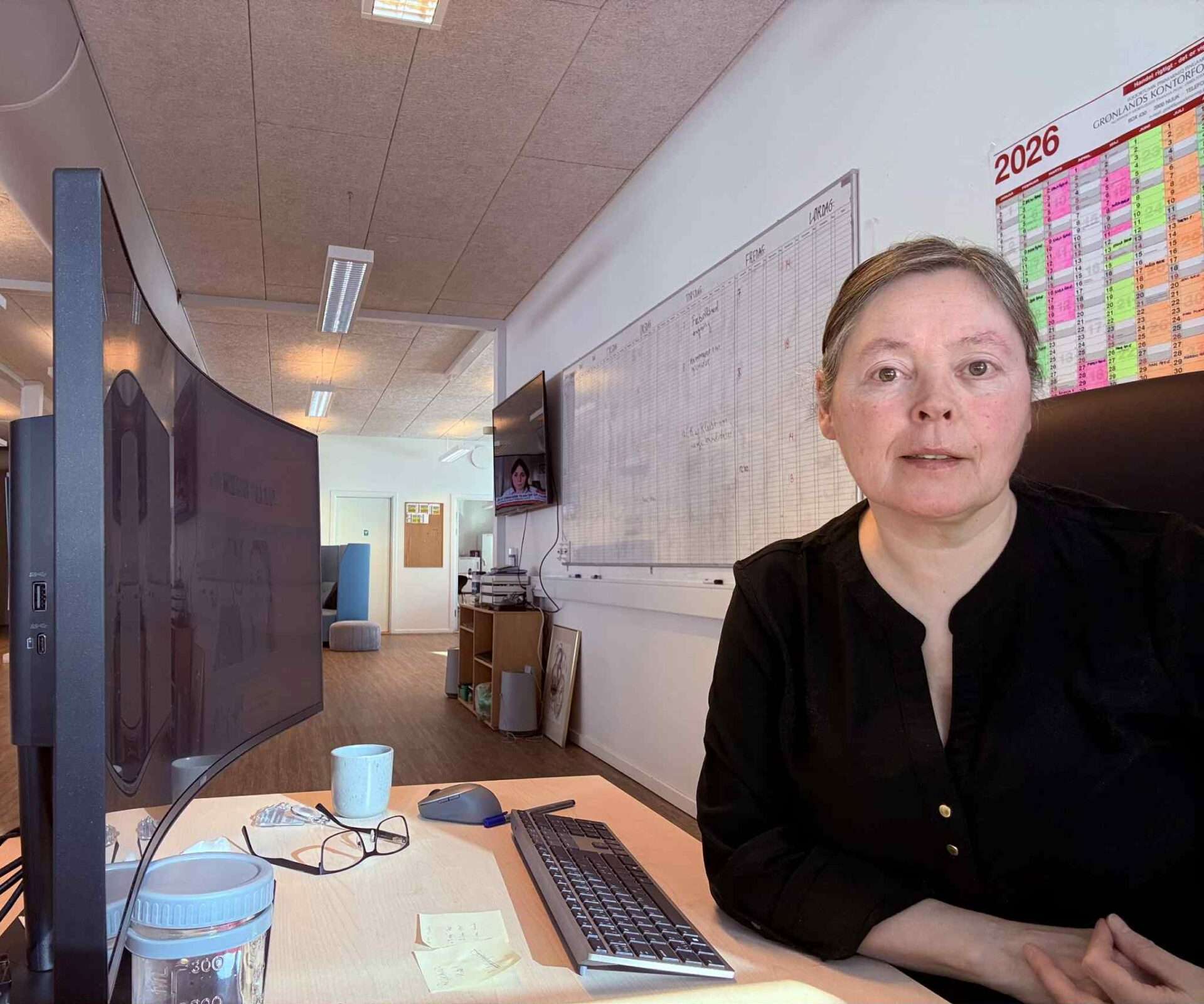
On her sixth day of work as the news director of Kalaallit Nunaata Radioa/ Greenlandic Broadcasting Corporation (KNR), Irene Jeppson got a call. Was she aware that Donald Trump Jr. was coming to Greenland tomorrow?
At first, Jeppson told iMEdD over a video call, she wasn’t sure how newsworthy this visit could be. Also, it was January 6, Epiphany, and a half-day in the newsroom, with only two other journalists around.
Jeppson had arrived at the public broadcaster during a period of upheaval and wanted to manage her resources carefully; multiple resignations and employee dissatisfaction had left the bilingual (Danish and Greenlandic) newsroom depleted.
Getting the scoop
Jeppson decided to go to the airport in Nuuk, Greenland’s capital, and check the flight schedule. Sure enough, a flight from America was set to land the next day. After a flurry of phone calls around town, Jeppson and her team confirmed that yes, in fact, the U.S. president-elect’s eldest son was coming to visit Greenland. The journalists then debated: was this even a breaking news story? They decided it was a “half” breaking news story. So, says Jeppson, they just wrote a small story for the website. And then they all went home, unaware that KNR had just broken big news.
“Then the telephone started to ring and e-mails [started coming in], and we were like, Oh, my God,” says Jeppson. “The media from the whole world went bananas. Everybody was calling us: can you do an interview in half an hour, live?”
Since the day Donald Trump Jr. landed in Greenland, Jeppson says everything changed for the several dozen journalists working in Greenland. Foreign media outlets descended en masse to Nuuk and brought with them unending requests for assistance, footage and fixer requests, or for ‘local’ commentary.
“The media from the whole world went
bananas. Everybody was calling us: can you do an interview in half an hour, live?
Irene Jeppson, KNR news director
“We all were a little bit shocked,” Jeppson tells iMEdD. “So early on, I decided to say ‘no’ to everybody because if I have to save myself and protect my colleagues, I have to do it like this.” She says even though the requests have not stopped, she has only spoken with a handful of media organizations throughout the year, iMEdD included.
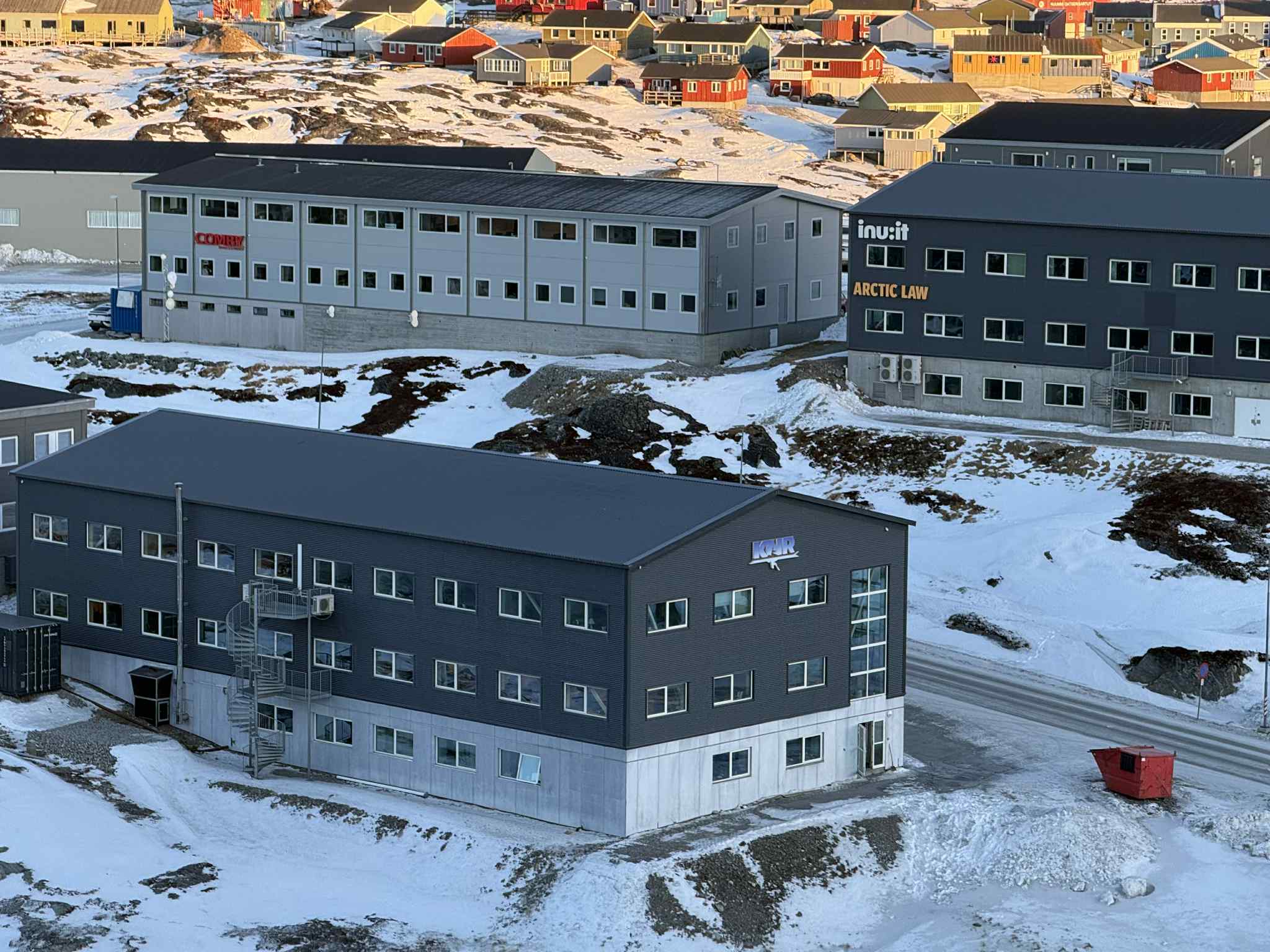
Photo: Courtesy of KNR
Linguistic and financial woes
Jeppson says she wished she didn’t have to refuse so many requests, but when she joined KNR, which is mainly funded directly by the Greenlandic government, she knew she was stepping into a knotty situation.
The public broadcaster had been hit with a wave of difficulties in recent years: coverage shrank, the Danish-language radio news department was shuttered, top brass came and went, and staff shortages and reporter burnout were chronic.
Meanwhile, the importance of the broadcaster for locals is so great that the lack of Greenlandic-speaking journalists at KNR had been cited as a cause for the resignation of a government minister in 2023.
At the time, Jeppson was serving as the head of the Greenlandic government’s communication department. During the decade she had left journalism, the country’s only two newspapers had merged into one and added a paywall to the website, and its only locally produced magazine had also closed down.
“I was thinking somebody has to do something and maybe I also like a little bit the chaotic life, I like to have a lot of balls in the air,” Jeppson says regarding her decision to return to journalism.
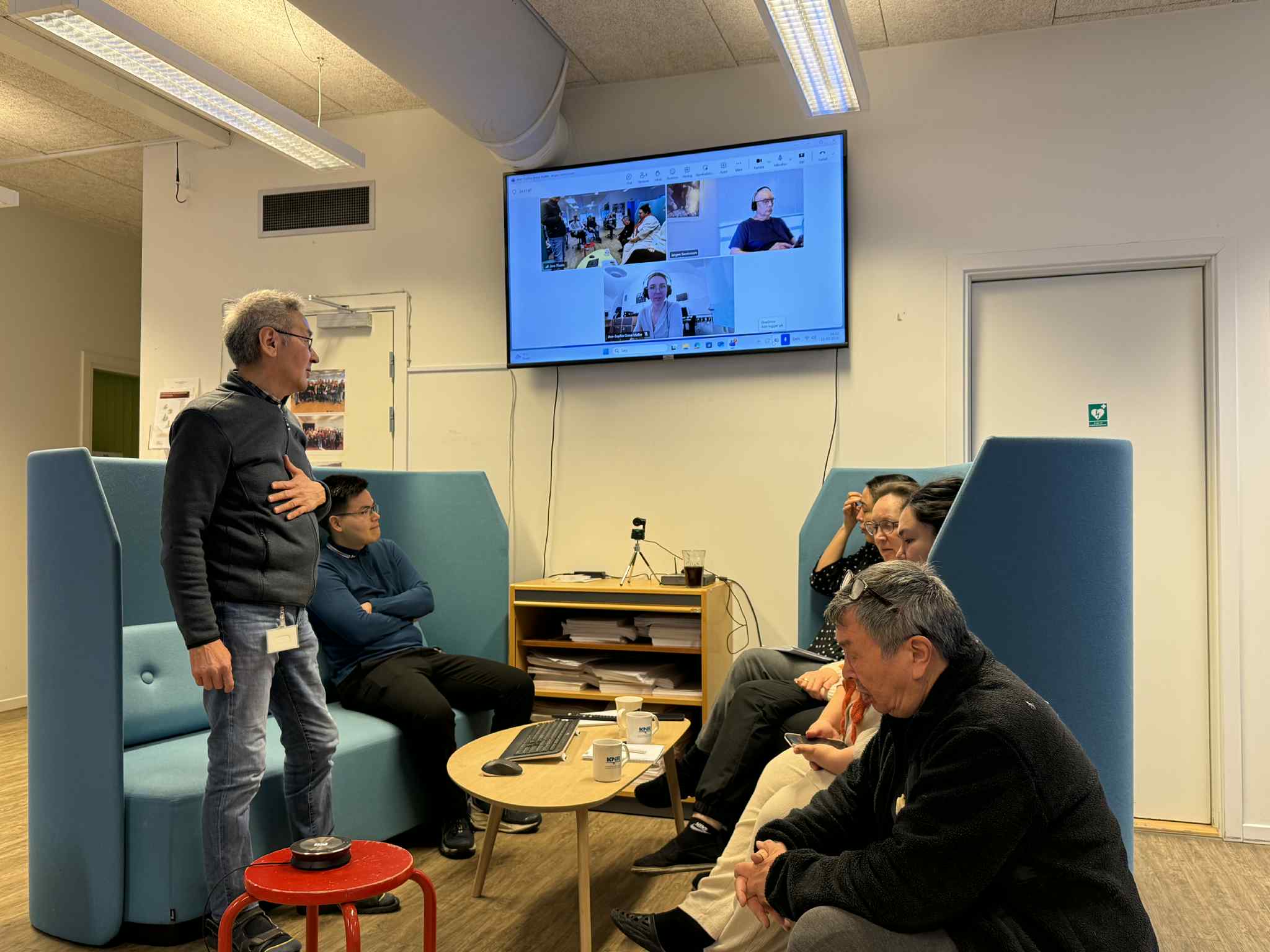
Photo: Courtesy of KNR
Local journalism for the public good
Jeppson grew up in the tiny northern port of Qasigiannguit (population approximately 1,000), whose icy waters froze over during the cold season. The town is still accessible only by helicopter in wintertime. She recalls getting news from other countries and even other towns in Greenland was difficult.
“We only had the radio. We used to wait for one week to get news from Denmark on TV. So, when we had the news on the radio, everybody was silent,” says Jeppson, who is now in her 50s. “Today we can get news from Denmark, and we can see CNN and BBC, but I’m thinking about the old people in Greenland, who only speaks Greenlandic and can’t understand Danish and English. KNR can reach these people because our news is for the Greenlanders.”
Jeppson says that locally produced news is crucial for any society; for Greenland’s approximately 57,000 residents is it even more critical because foreign journalists don’t speak the local language.
“A lot of the [foreign] journalists, they fly to Greenland, stay for two or three days and go again. And they talk like they have been here for 20 years and know everything. And the Danish media always use the same and the same sources. They don’t talk with the real Greenlanders.”
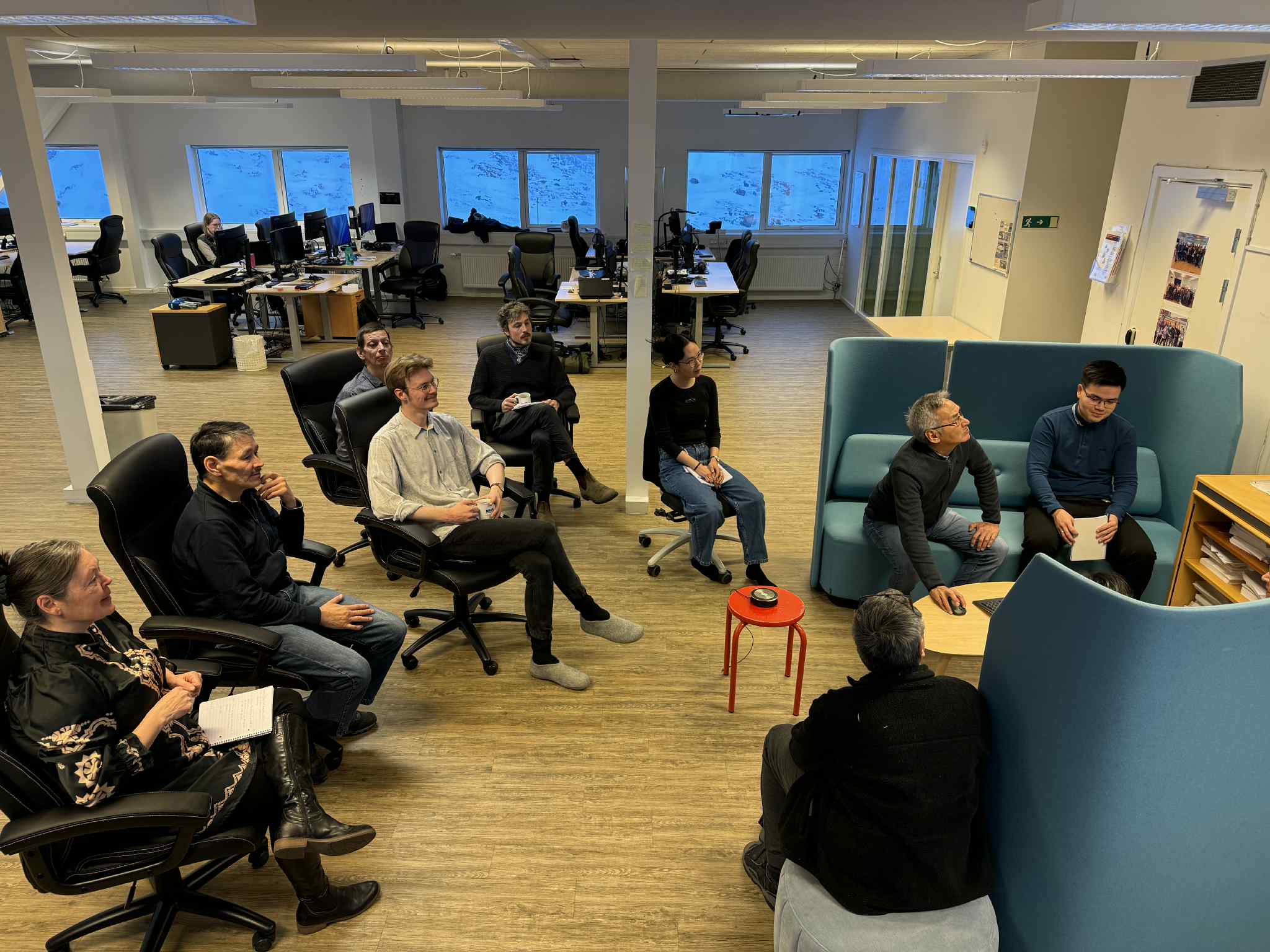
Photo: Courtesy of KNR
Thinking out of the box
In order to cover the nonstop barrage of news in 2025, Jeppson says that she has had to be inventive to get scoops and to prioritize covering stories that other news channels can’t.
“We can’t be like the Danish or the foreign medias. We can’t stay outside the hotel waiting for people to come out, but we can be different and we can talk with the Greenlanders,” says Jeppson.
Nuuk is so small Jeppson can hear when an airplane lands from her house. When this happens, she grabs her phone and checks Flight Radar to see if she needs to chase the latest arrival, before going back to sleep.
When her budget didn’t allow for travel to the U.S. in January 2026 to cover the visit of Vivian Motzfeldt, Greenland’s minister for foreign affairs to Washington, D.C., she was able to get the minister to agree to a video call, which resulted in an emotional statement.
“We ask the foreign minister of Greenland, can we do a [Facebook] Messenger call with you when you go out from the meeting with [U.S. vice president] JD Vance and [U.S. Secretary of State] Marco Rubio? And she was crying when she went out.”
Likewise, KNR got an exclusive soundbite from the King of Denmark when he visited the remote western island of Maniitsoq in February. The rest of the media had been able to follow him around Nuuk, but only KNR has a reporter-producer-technician who lives on the island.
Jeppson says that in her ideal world, she’d have six to nine more full-time journalists in the newsroom to cover the country and for the staff to have a better work-life balance. Right now, between eight to ten staffers – only half of which are trained journalists – attend the morning planning meeting. Every day, they have to fill three radio newscasts and one television evening news broadcast, plus updating the website.
“We can’t be like the Danish or the foreign medias. We can’t stay outside the hotel waiting for people to come out, but we can be different and we can talk with the Greenlanders.
Irene Jeppson, KNR news director
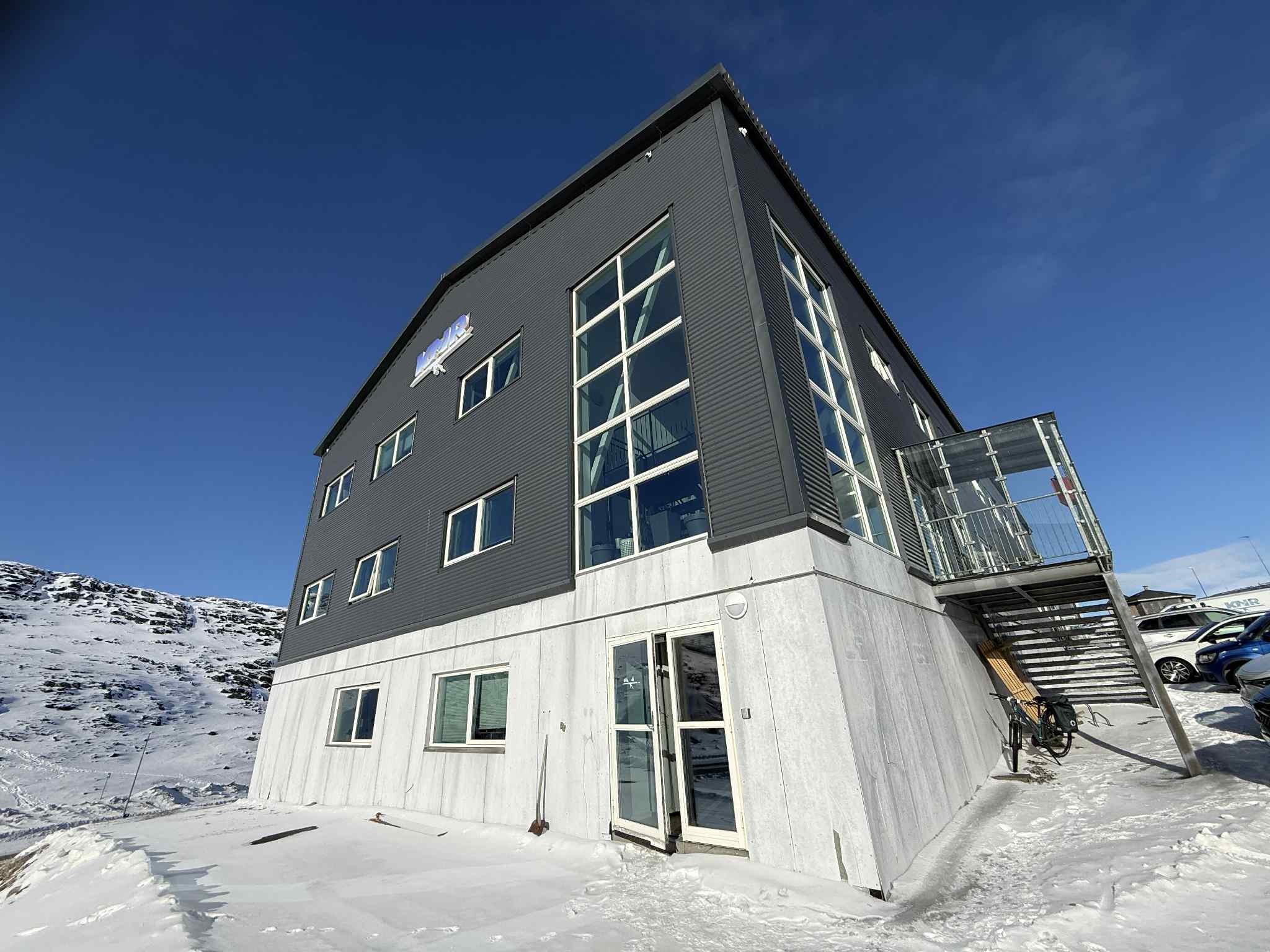
Photo: Courtesy of KNR
Is it over yet?
Today, after more than a year of “craziness,” Nuuk is finally empty of foreign correspondents looking for English-language soundbites. In a follow-up note to iMEdD, Jeppson writes that only the two major Danish media outlets remain in town. Jeppson, who hasn’t taken any time off since assuming her role, is planning on taking a long vacation in May.
But even though the days are longer, sunnier and more peaceful, she says a shadow still hangs over the heads of Greenlanders.
“The U.S. still plays a significant role in the daily debate,” she writes. “I think many of us are simply waiting for Donald Trump to focus on Greenland again.”