For journalists, access to the internet is central to reporting the news. When governments shut it down, reporters find ways around the blackout, but the work comes at a cost. iMEdD spoke with journalists working in Iran, India, Ethiopia, Turkey, and Ukraine.
Reporting by Elli Kostika, Katerina Voutsina
Additional reporting/Editing & Charts: Kelly Kiki
Featured image: Evgenios Kalofolias
On January 8, 2026, Iran went dark. As protests spread across the country, the government imposed a near-total internet shutdown, cutting millions off from the outside world. The move came in response to the largest protests the country had witnessed since the 1979 revolution. During these protests, which started in late December 2025 and lasted almost a month, Iranian security forces carried out a sweeping crackdown, killing thousands of protesters, a number that spanned from 3,000 according to Iranian official figures, to 30,000, based on several reports.
Limited access returned in late January, but journalists still struggled to stay online. Then, hours after the first US-Israeli strikes hit Iran on February 28, authorities imposed another internet blackout.

On March 11, 2026, Access Now, a nonprofit organization that protects the digital rights of vulnerable communities, urgently called on the Iranian authorities to restore full internet access and to refrain from imposing further disruptions. The organization reemphasized that “internet shutdowns in conflict zones have life-and-death consequences. They put civilians at risk of death, injury, and illness, cause psychological trauma and mental distress, disrupt livelihoods, and block people’s access to essentials for survival like food and medicine. They also block journalists and human rights defenders, weaken social cohesion, and cause lasting socio-economic harm long after connectivity is restored”.
Internet shutdowns are not new. Access Now defines them as an “intentional disruption of internet or electronic communications” for a specific population or within a location.
In its STOP dataset, the organization has documented close to 2,000 internet shutdowns between 2016 and 2024, with the number of blackouts rising since 2020. The team relies on a context-driven methodology, manually verifying each event through local media, United Nations contacts, and regional partners to determine the primary cause behind internet shutdowns. Such disruptions are often “a precursor to atrocities and violence against civilians,” says Zach Rosson, the #KeepItOn Global Data and Research Lead at Access Now, speaking to iMEdD, adding that “throttling” is another form of an internet blackout, where the internet speed is intentionally slowed down to a level equivalent to 2G or less, making it unusable.
Governments have increasingly turned off the internet, cut mobile networks, or blocked apps, imposing what experts describe as “digital curfews” or “kill switches”.
Reporting, verifying information, filing stories, and even paying bills or ordering food often depend on a stable connection. Yet, governments have increasingly turned off the internet, cut mobile networks, or blocked apps, imposing what experts describe as “digital curfews” or “kill switches.” Often deployed during moments of conflict or unrest, these shutdowns sever the free flow of information, leaving journalists struggling to stay connected, as rumors and misinformation spread.
Reporting under blackout
Mehdi Mahmoudian, an Iranian political and human rights activist and former journalist, who is currently based in Iran, told iMEdD via WhatsApp in early March that internet shutdowns make it difficult to verify or publish information. “As someone engaged in documenting human rights violations and collaborating with journalists and civil society networks, the loss of internet access effectively prevented me from verifying information, sharing testimonies, or reporting on what was happening”, said Mahmoudian, a co-writer of the 2026 Oscar-nominated film It Was Just an Accident. Over the past 16 years, he has been arrested 13 times and has spent nine years in prison because of his journalism and activist work.
In such situations, individuals can feel cut off not only from the global internet but also, to some extent, from their own society.
Mehdi Mahmoudian, political and human rights activist, former journalist in Iran
He was most recently arrested on January 31, 2026, after signing a statement with other Iranian journalists and activists expressing support for the mass protests in Iran; he was released on February 17. “Basic communication with colleagues, friends, and family was also disrupted. In such situations, individuals can feel cut off not only from the global internet but also, to some extent, from their own society,” he told us a few weeks later.
Sudan, the black hole of journalism
Sudanese journalists who have been forced to flee the country, international reporters, researchers, and experts speak to iMEdD about the challenges of covering the civil war, explaining how, beyond the cities themselves, even information is under siege.
Iran has not been a unique case. Between 2019 and 2021, India imposed a 552-day internet blackout in Jammu and Kashmir, leaving some 12 million residents without reliable service in the name of national security.
Since 2017, laws have outlined the circumstances under which the government can cut connections. Those rules were replaced by the Temporary Suspension of Telecommunication Services Rules, 2024, which came into effect on November 22, 2024. Still, analysts who measure shutdowns in the country say the government frequently issues blanket shutdowns that exceed what the law allows.
The government is acutely aware of the power of the internet and how it shapes public discourse, how it can be leveraged politically, and when it can be curtailed.
Sadhika Tiwari, independent journalist in India
“The government is acutely aware of the power of the internet and how it shapes public discourse, how it can be leveraged politically, and when it can be curtailed. Internet shutdowns in India predate the current administration, but their use has expanded significantly in recent years,” said Sadhika Tiwari, an independent journalist and host of Eco India for Deutsche Welle.
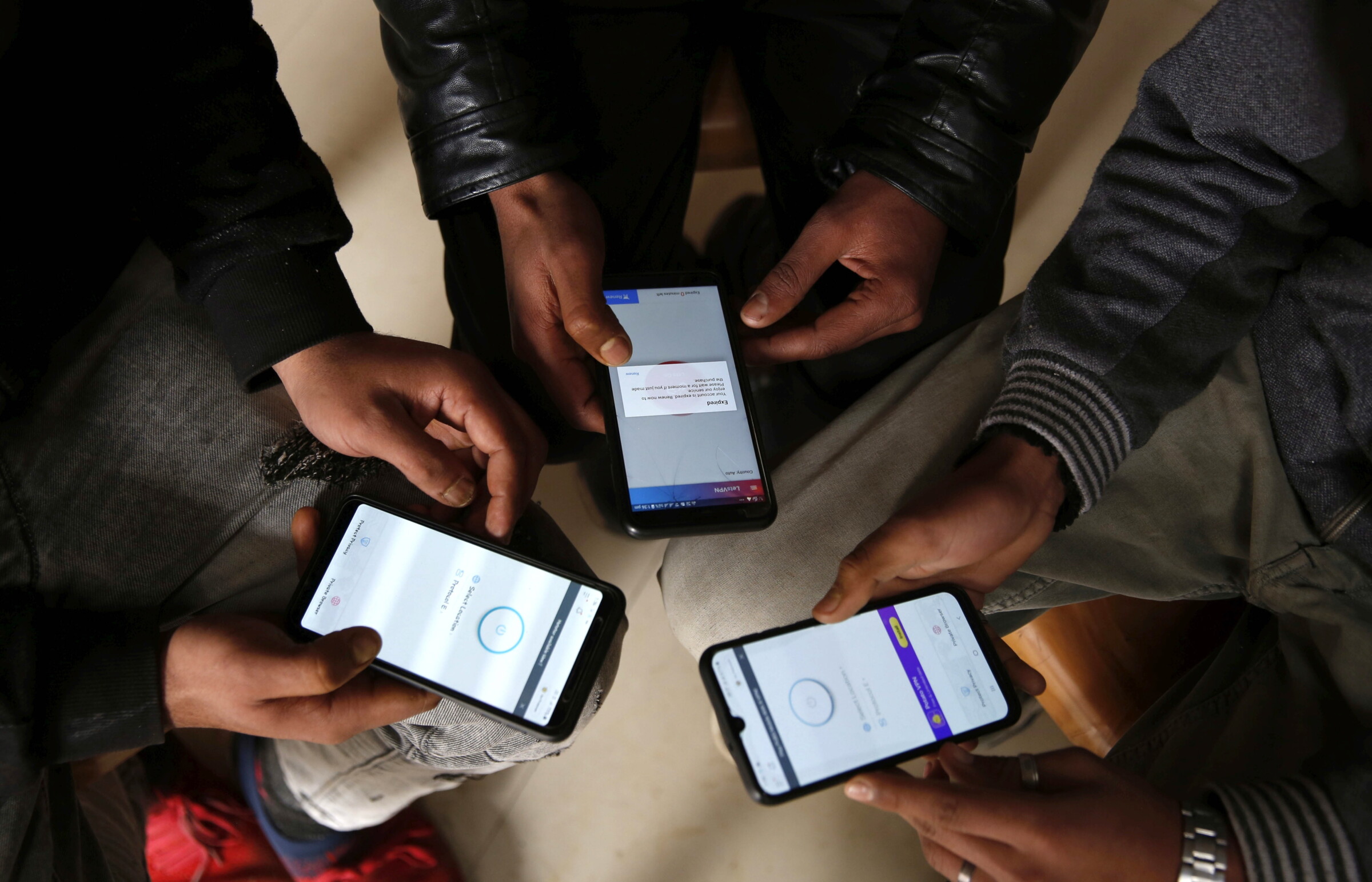
Similarly, in Ethiopia, internet access has also been used as a tool for control during conflict. In northern Ethiopia, the Tigray region was largely cut off from the internet for nearly two years, from November 2020 to February 2023, after the government imposed a shutdown following clashes between Ethiopia’s federal forces and the Tigray People’s Liberation Front (TPLF).
“One of the most obvious things is that we’re not able to get photos and videos. That’s the biggest drawback”, Maya Misikir, a freelance journalist from Ethiopia, told iMEdD. Not being able to see what other news outlets are publishing online was another challenge for her.
When the Amhara conflict escalated in the summer of 2023, Misikir was able to talk to sources just on the phone. “Sometimes the connection was really bad, so you had to make appointments. […] Plans didn’t always follow through, and stories were delayed. Sometimes they didn’t happen. It just took longer,” she added.
Jelani Cobb on freedom of speech, the Press, and White House reporting

Jelani Cobb, Dean of the Columbia Journalism School, author, and longtime staff writer for The New Yorker, speaks to iMEdD about academic freedom in the United States, the challenges facing the press today, so-called “Trump coverage,” and the public interest as journalism’s enduring mission.
Targeted censorship
While reporting in Turkey, Metin Cihan, a Turkish activist and social media journalist now living in exile in Germany, faced a different constraint: social media censorship.
“Internet or social media, at least in Turkey, are something people can use until it starts to be very annoying for the government. When it comes to that level, they just turn off the button,” he said to iMEdD. Cihan, now part of ECPMF’s Journalists-in-Residence program, decided to flee from Turkey in 2019, after facing online harassment linked to his investigation into the suspicious death of 11-year-old Rabia Naz in northern Turkey.
In 2025, his X (former Twitter) account, which now has more than half a million followers, he said, was blocked.
Internet or social media, at least in Turkey, are something people can use until it starts to be very annoying for the government. When it comes to that level, they just turn off the button.
Metin Cihan, Turkish activist and social media journalist
For more than a decade, the Open Observatory of Network Interference, known as OONI, has worked with digital rights groups around the world to shed light on targeted censorship, which involves the blocking of specific websites or apps.
“We’ve definitely seen a spike in the blocking of social media and VPN websites in recent years, especially during political events,” said Maria Xynou, who leads the organization’s research program. As she explained, targeted censorship happens during protests, elections, conflicts, or wars, when there’s more political incentive to censor information to control narratives.
OONI investigates censorship through its free software app, OONI Probe, which collects data through crowdsourcing. Volunteers around the world install it on their phones and computers to run tests on their local networks. The results are sent back and published as open data in real time to increase transparency. But without internet access, users cannot run the tests, and no data can be collected.
We’ve definitely seen a spike in the blocking of social media and VPN websites in recent years, especially during political events.
Maria Xynou, director of the Open Observatory of Network Interference’s research program
Bypassing internet shutdowns: In Iran and beyond
In Iran, for certain local and international journalists, access to the internet during shutdown periods is sometimes allowed, but under strict government control.
Majid Saeedi, an award-winning Iranian freelance photojournalist currently based in the country who works for international media, spoke to iMEdD via WhatsApp. Early in our conversation, he outlined the broader context in which journalists operate, where internet shutdowns are only one part of a far more complex environment: “Journalism in Iran is much more difficult and challenging than you might imagine,” he said. “We face pressure from both sides—the government and the people. People don’t trust us because years of government censorship and media control have fostered distrust. On the other hand, the authorities always see us as outsiders or potential threats. This breakdown of trust in society has made our work increasingly difficult every day.”
Saeedi has been detained and imprisoned several times for his work as a journalist. His most recent arrest took place during the 12-day conflict with Israel in June and July 2025, while he was photographing youth detained in Evin Prison in Tehran.
During the recent protests, he said, the Iranian government established a center where journalists affiliated with foreign media outlets could access the internet.
“It was a physical space provided specifically for journalists [working for international media], where they could access the internet. This access was only made available about four days after the protests began; before that, no one had internet connectivity,” he explained. “On the first day, access was provided at a centralized center under the Ministry of Culture and Islamic Guidance, called the Nashravaran [Journalistic] Institute. In the following days, the same access was available directly at the press office of the Ministry.”
“It was a physical space provided specifically for journalists [working for international media], where they could access the internet. This access was only made available about four days after the protests began […] In the following days, the same access was available directly at the press office of the Ministry.
Majid Saeedi, Iranian freelance photojournalist
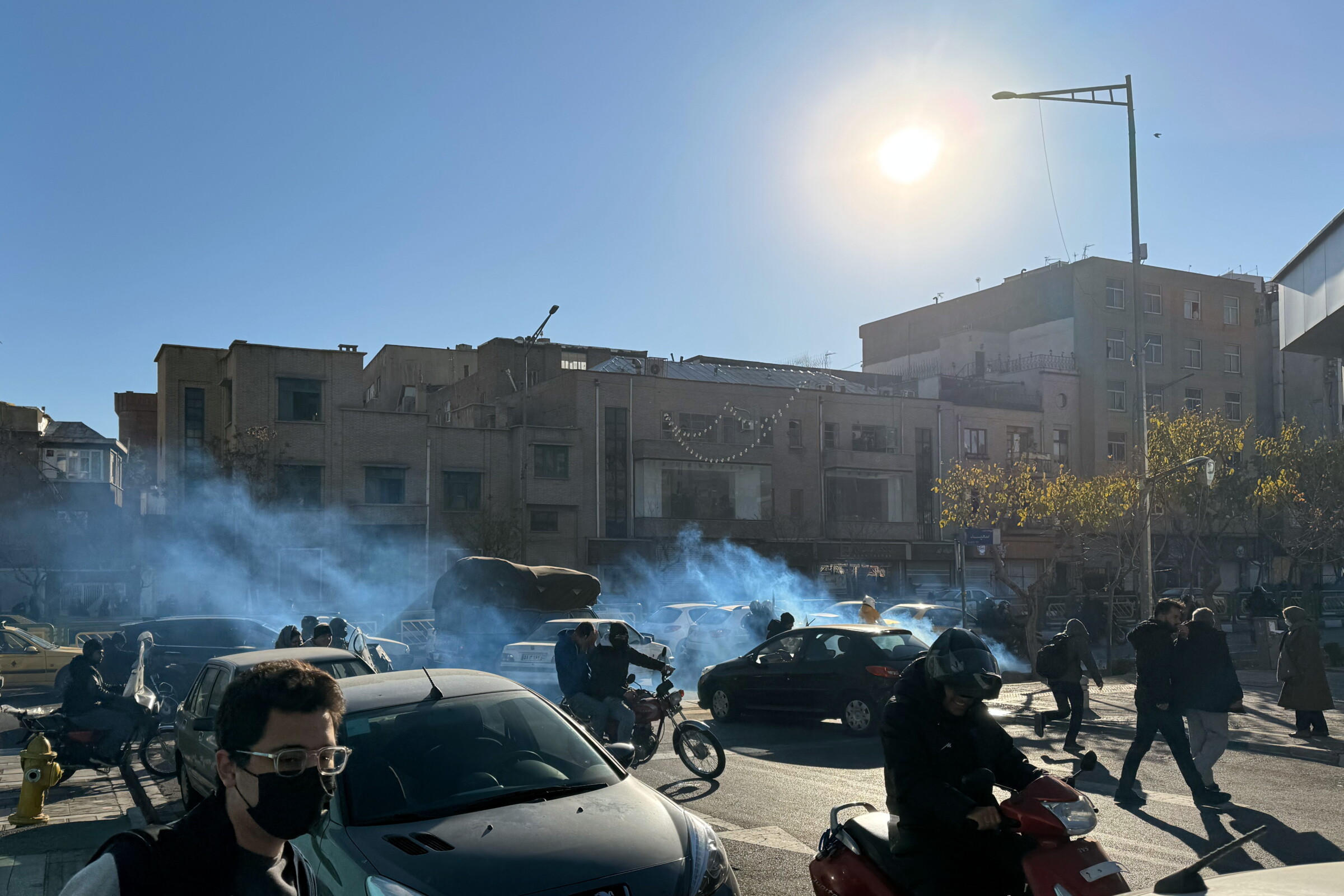
According to reports, segregated internet access is common in Iran. During shutdown periods when ordinary users — including many journalists — cannot access the global internet, domestic news agencies and state-approved local journalists are provided with limited access through a government-controlled whitelist system. This “tiered internet” system is called “class-based,” granting access only to certain “elites.” Access can also be facilitated through “white SIM cards,” mobile lines that allow select users to bypass restrictions.
During Iran’s recent internet shutdowns, exiled journalists relied on “old-school” methods to reach their audiences in Iran, using phone calls, in-person networks, and other offline channels to continue reporting.
Radio has also emerged as a bypassing method, Rieneke Van Santen, the Executive Director of Zamaneh Media, an Amsterdam-based Iranian media organization, told the Reuters Institute in an interview earlier this February. Travelling outside Iran has been another way journalists share footage and reports, with some using Iraqi SIM cards and driving to the border to make calls and send texts.
Starlink, a satellite-based internet service owned by Elon Musk’s SpaceX, was also used by some journalists, however “this is extremely risky, because owning or using Starlink in Iran is illegal,” Iranian photojournalist Majid Saeedi noted.
During a complete internet shutdown in Ethiopia, Maya Misikir’s colleagues worked together to find a solution.
Some institutions retained internet access at their headquarters, giving journalists a chance to improvise ways to get online. “We knew people working there, and we had this system where colleagues would make a trip to their headquarters once a week. They’d go around collecting questions from everybody [in the newsroom], asking ‘What is the burning question that we need to Google for you?’,” said Misikir. She also recalled briefly getting online during one blackout through a friend, who helped her access the United Nations compound in Addis Ababa.
VPNs: not a perfect bypass
In Iran, the virtual private networks (or VPNs) market has become very active, added Majid Saeedi. “People who have access to international internet take significant risks to sell VPN connections. Prices have become extremely high — for example, around 10 gigabytes can cost between 40 and 80 US dollars.”
People who have access to international internet take significant risks to sell VPN connections. Prices have become extremely high.
Majid Saeedi, Iranian freelance photojournalist
But such circumvention methods can be unstable and slow.
“When the government imposes internet restrictions, many users turn to various technical solutions — such as VPNs, proxies, and other tools — to access information and stay in touch with the outside world. However, these methods are never completely reliable, as the government continuously attempts to block them,” noted Iranian political and human rights activist, Mehdi Mahmoudian.
The risks for journalists extend beyond technical challenges. “Another crucial point is that the tools used to bypass restrictions can also pose their own dangers. In Iran, some methods of circumventing internet filtering are considered crimes by the government, and individuals may face prosecution or severe penalties simply for trying to access the open internet,” Mahmoudian highlighted.
The tools used to bypass restrictions can also pose their own dangers. In Iran, some methods of circumventing internet filtering are considered crimes by the government.
Mehdi Mahmoudian, political and human rights activist, former journalist in Iran
VPN-related risks are not unique to Iran. According to a 2025 report co-authored by the European University Institute and Freedom House, since as early as 2002 in China and 2011 in Syria, several countries have blocked VPNs, including Russia, Iran, Pakistan, and Myanmar, while India issued a two-month ban on VPNs in May 2025 in the Jammu and Kashmir region.
Turkish authorities have also blocked major VPN providers, like NordVPN, said Metin Cihan. As a response, the users turned to Turkish social media to find a VPN that worked through lists curated by other users, he added.
Such restrictions often intensify during politically sensitive periods. Blocking of VPNs tends to increase around the world at moments of political tension, said Maria Xynou. OONI relies on publicly available, community-curated lists of websites to test censorship, inviting people around the world to contribute to sites. By continuously testing VPN and other circumvention tool websites, the organization can document how widely such tools are blocked across multiple countries.
“We have only selectively a few tests for VPN tools where there was collaboration with the tool developers, and therefore we’re able to help ensure the accuracy of the test,” she added. OONI has developed various experiments for measuring the reachability of circumvention tools, such as Tor networks and proxy technologies.
“Foreign agent” laws and SLAPPs, the legal challenges faced by journalists
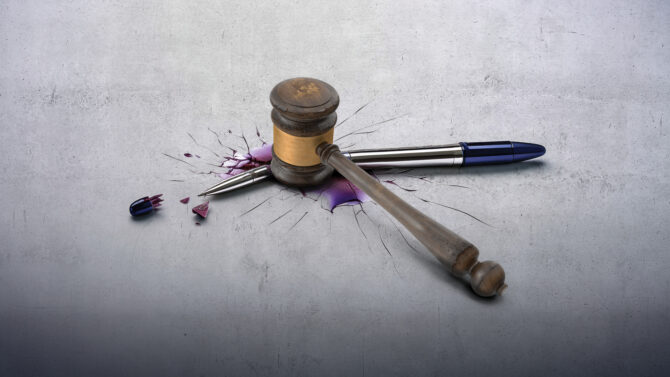
Which are the new dangers that threaten the freedom of the press, and how can journalists continue to operate safely under conditions that are becoming increasingly difficult?
When Russia began striking Ukraine’s infrastructure in October 2022, internet access collapsed. Attacks on power stations cut electricity, bringing down mobile networks and leaving large parts of the country offline, a disruption driven by war and failing infrastructure, not by state censorship.
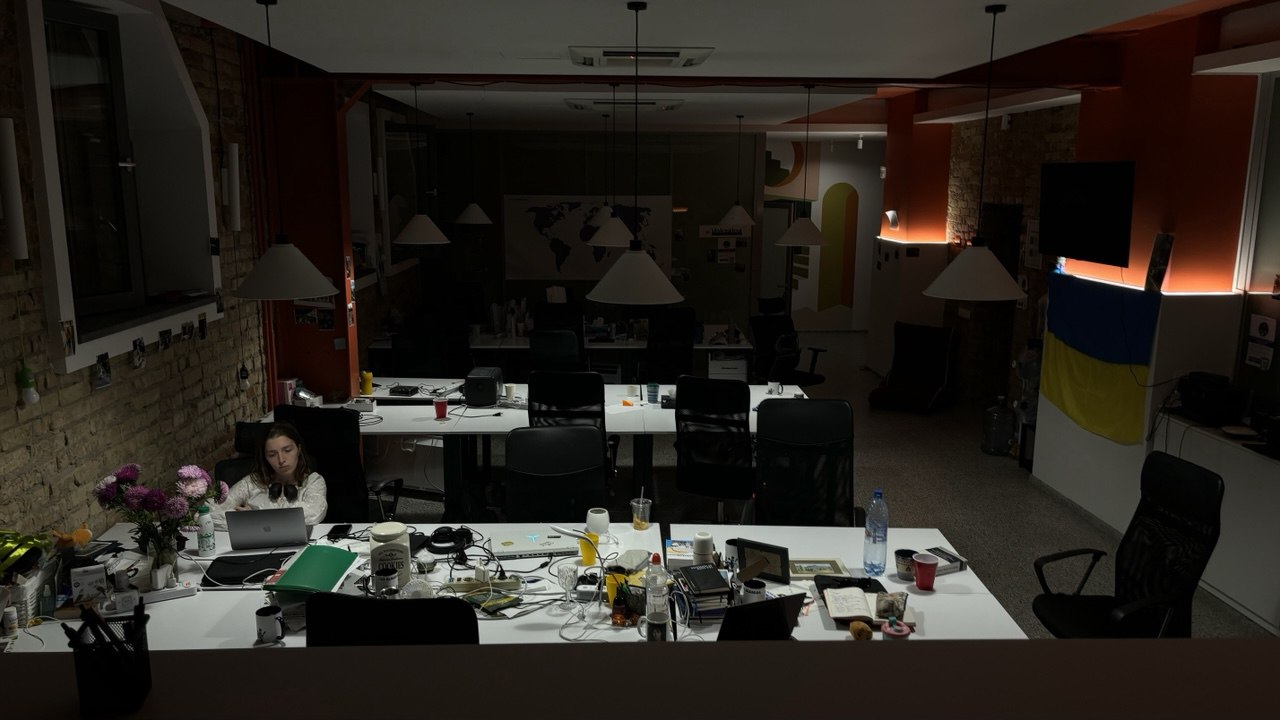
Oleksiy Sorokin, co-founder and deputy chief editor at the Kyiv Independent, experienced wide-scale blackouts in 2022 and 2023 firsthand. “Back then, it was hard to work, even in Kyiv, especially with the curfew in place. You couldn’t go anywhere, and many homes didn’t have internet access. You were basically cut off from any possibility of working, doing anything, or knowing what was happening in the outside world,” he said.
Power cuts forced Ukrainian businesses, including the Kyiv Independent, to adapt. Many bought gasoline-powered generators to keep offices, newsrooms, and telecom systems running as the grid faltered. Kyivstar, the country’s largest mobile operator, also powered parts of its network with generators and battery systems, which helped keep home internet running through fiber-optic connections even during outages, Sorokin said.
Internet connection was not always reliable, though. “I remember during the curfew I had to publish an article, and I didn’t have internet, so I had to run around my neighborhood looking for even the slightest mobile connection to file it,” he added. “It was not great.”
Sorokin has been following censorship in Russia, where the government has quietly been tightening its grip on information and shaping an internet that is increasingly closed off.
“What Russia is doing right now is successfully creating a closed internet. I would say it’s in its final stages,” he said. “It started around 2014 or 2015, when Roskomnadzor, the government agency that oversees the internet, tried to block Telegram. At the time, they failed.”
But Roskomnadzor eventually adapted. They tested new systems and brought in equipment from China. “We know Russia and China share a close relationship and have been exchanging experience,” he added. He also added that Russia has tightened control over the use of foreign-made communication applications, such as WhatsApp.
Following the example of other countries, such as China, Russia has built and is testing a Russian messaging system, Max. “In Crimea, they’re even testing systems where you need the Max app to pay for a bus or a train,” said Sorokin.
“The point is that because Max was created by a company closely aligned with the government, everything users write there is potentially accessible to the authorities. Right now, they’re trying to push the Russian population to adopt it as their primary messaging app.”