I slowed down – and my journalism changed

Slowing down journalism means creating space to listen, reflect and report with greater care, context and resilience.
Accessibility isn’t optional

For many people, avoiding the news is a choice. For millions of people with disabilities, it can be the result of something else: a news industry that was not designed with accessibility in mind.
Turning investigations into games
Journalism is searching for new ways to hold readers’ attention. Can games built from investigative reporting keep audiences engaged?
Meet the journalists training the AI models that might replace them

“If [models] were a vehicle, AI would be the car and humans would be the fuel behind the whole thing,” says one of the reporters who’s worked for Meta
AI accountability reporting guide

The biggest AI stories are often hidden from view. This guide helps reporters uncover them.
Lisa Gibbs: Journalism’s future depends on engagement, accountability and connection

The future of journalism depends on public access, journalists' curiosity, and new ways of disseminating news.
How Myanmar’s exiled media is fighting to survive a brutal funding crisis
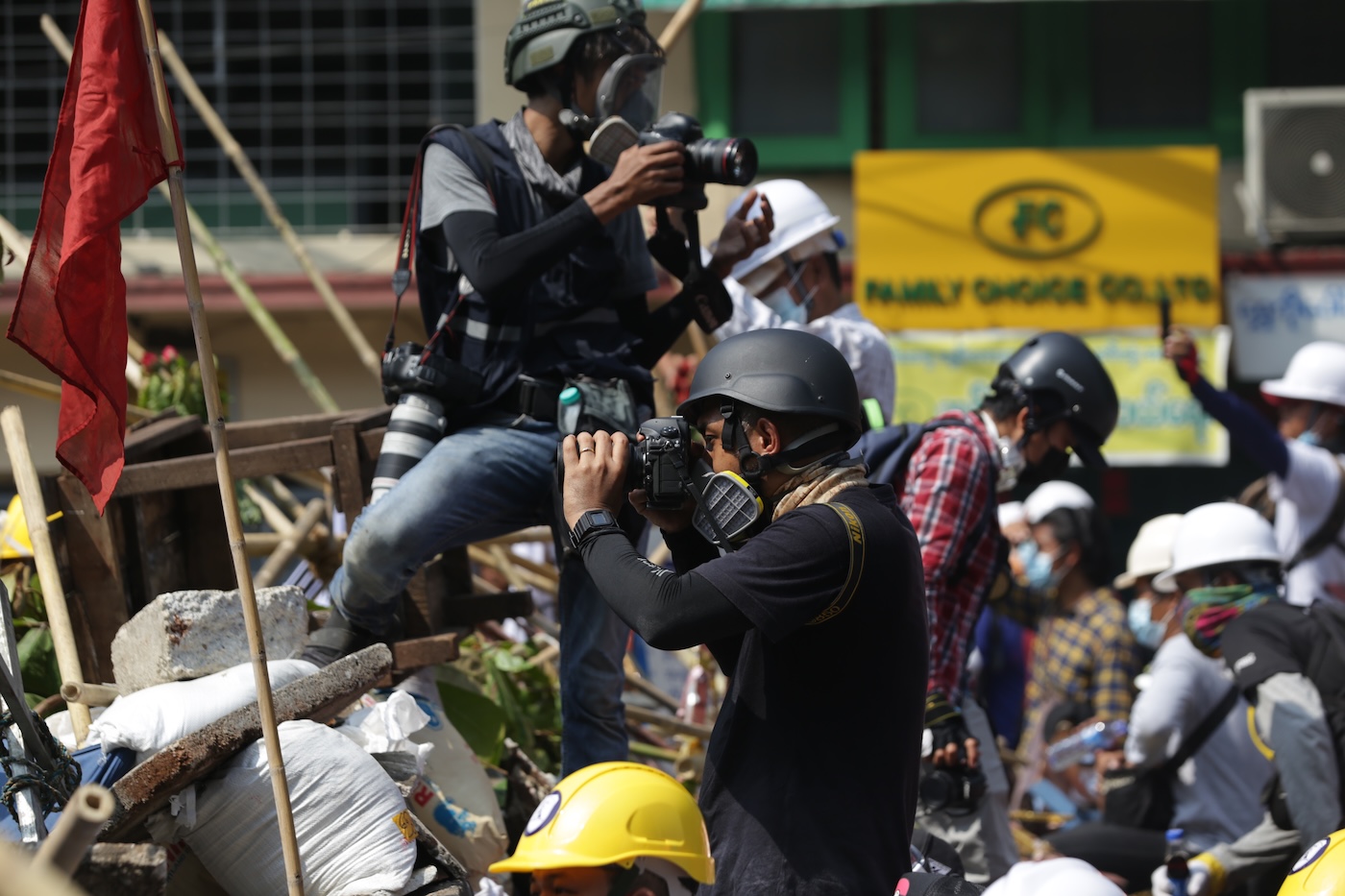
As international funding dries up, journalists are driving taxis and selling food just to keep documenting the country’s civil war.
Hungary got a fresh start. Will its media?

As Hungarians put an end to Viktor Orbán’s regime, shutting down propaganda is first on the agenda of Péter Magyar, the incoming prime minister.
Putting disability at the center of the story

Journalists, editors, and media innovators spoke to iMEdD about the visibility of journalists with disabilities and how they rethink who gets to make the news, whose experiences shape coverage, and which audiences' journalism is meant to serve.
Inside press freedom’s emergency rooms

ALSO VISIT