Tessa Pang, Impact Editor at Lighthouse Reports, reflects on what everyone in journalism wants but few invest in: real impact.
Featured image: Evgenios Kalofolias
Sudan, the black hole of journalism
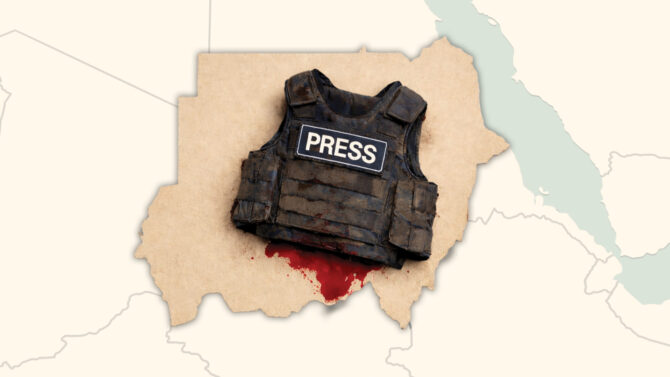
Sudanese journalists who have been forced to flee the country, international reporters, researchers, and experts speak to iMEdD about the challenges of covering the civil war, explaining how, beyond the cities themselves, even information is under siege.
What is impact in journalism, after all?

Four editors, who work on turning a buzzword into practice, explain what it takes for a story to make a difference and share how they build impact in reporting from the very beginning. Meet the Impact Editors.
Ask most newsrooms how a story performed and you’ll get a number: views, shares or reach. It’s an understandable habit, but a poor measure of impact. A page view can’t tell you whether an engaged audience saw your story, whether they cared about it, or whether they can remember it a week or a month later.
A TikTok view is measured at just 1 second of engagement. For complex investigations into systemic problems, reach tells you almost nothing about whether anything changed.
At Lighthouse Reports, our stories don’t live on our own platform, we publish them with media partners. So, that’s forced us to ask different questions –not how many people saw it, but who used it, and for what?
I’d argue that impact begins when your story stops looking like your story. When it becomes actionable evidence for a lawmaker or sanctions team, a message forwarded in a WhatsApp group, fuel for a protest movement or even a comedy sketch. We tend to treat this afterlife as luck. But planning for it, deliberately and long before publication, helps us both see our impact and increase it.
Ιmpact begins when your story stops looking like your story. When it becomes actionable evidence for a lawmaker or sanctions team.
In December 2025, we published an investigation with CNN and Sudan War Monitor into ethnically motivated attacks by Sudan’s army (SAF) and allied militias on the Kanabi, a farming community in Gezira State. Since we’ve been reporting on Sudan for over two years we’re closely connected with both communities in Sudan and the groups in the West trying to demand accountability for their governments part in the conflict. Post publication we spent weeks developing a deck and briefing sanctions teams and policymakers on what we found. A month after publishing we found out Western governments had placed sanctions on leaders in SAF and that Saudi Arabia, SAF’s key backer, warned them to reduce civilian bloodshed, naming concerns about the reputational cost of further crimes. Sources told us that the warning followed our reporting.
Days later came the news that mattered most. Sources told us that SAF-aligned forces, feeling the pressure of the international spotlight, had stopped the attacks on the Kanabi and begun a reconciliation process.
No reach metric would have told us that. We knew because our reporters stayed connected to everyone around the story, from civil society and policy teams in the West to communities in Gezira.
So here is the question I’ll end on: if the most meaningful impact lives in the relationships we build, are we willing to invest in the slow work of maintaining them?