As Serbia heads to the polls, independent media faces the fiercest pressure in decades
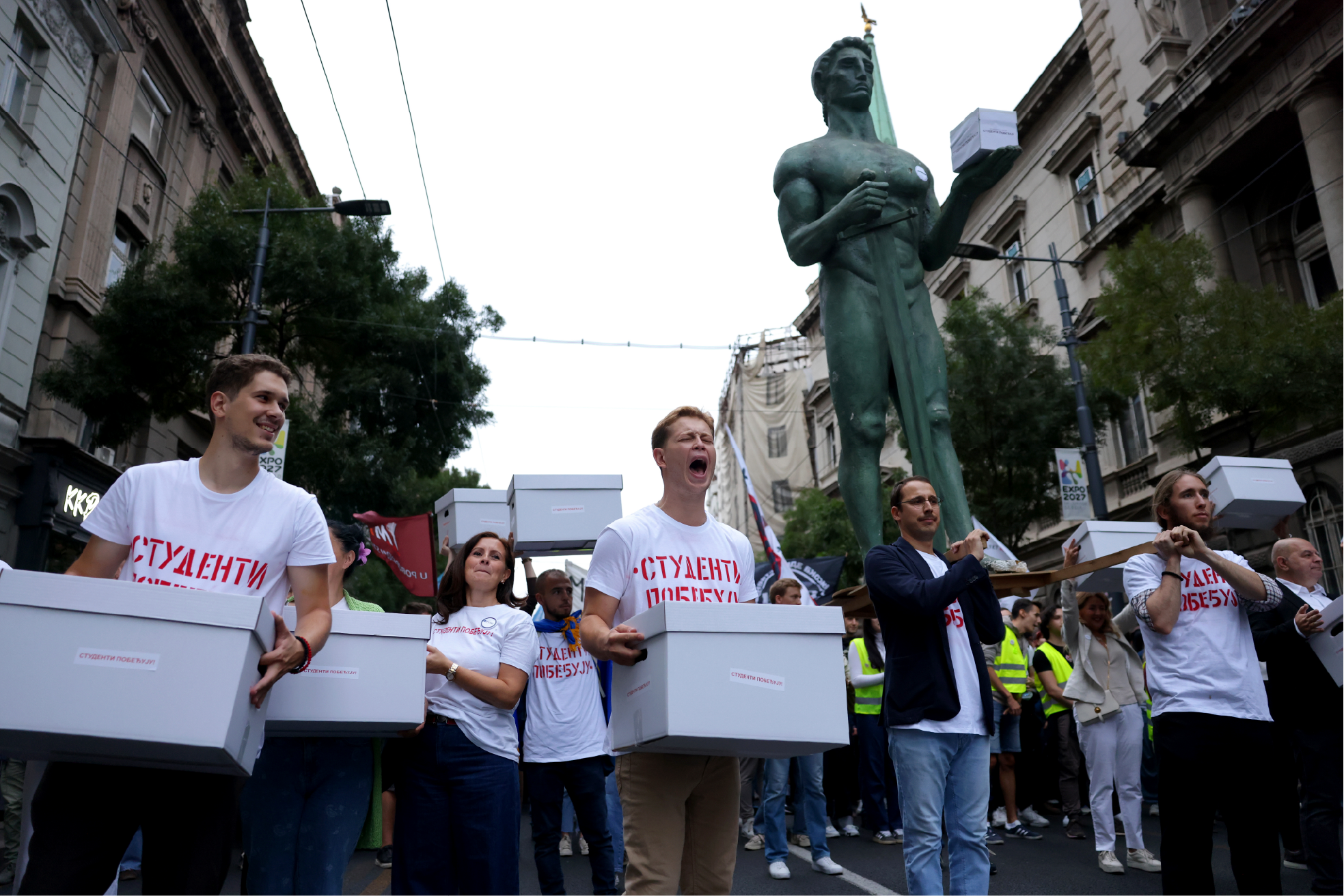
Journalists and media representatives describe how spurious litigation, online threats and physical attacks have escalated in recent years.
The diplomat, the chameleon, the bloodhound: Understanding newsroom personalities

How do you run a newsroom full of people whose job is to question authority?
Fixing immigration coverage: Why newsrooms often fail and how they can do better

Immigration is everywhere in the news, yet audiences remain dissatisfied. Better coverage demands context, specialist knowledge, facts and migrant voices.
Journalism in Mexico: Anatomy of a silence

Amid another increase in the murders of Mexican journalists in the summer of 2026, reporters across Mexico speak to iMEdD about navigating pressure from drug cartels and public officials, persistent impunity and, in some parts of the country, “zones of silence.”
Accessibility isn’t optional

For many people, avoiding the news is a choice. For millions of people with disabilities, it can be the result of something else: a news industry that was not designed with accessibility in mind.
Turning investigations into games

Journalism is searching for new ways to hold readers’ attention. Can games built from investigative reporting keep audiences engaged?
The thrill and skill of young reporters in the field

Radio Workshop’s Mike Rahfaldt discussed how critical it is for early career journalists to gain experiences away from their screens. After a week of live radio shows, youth reporters from South Africa, Greece, and Zambia shared how it feels to report out of your comfort zone.
Meet the journalists training the AI models that might replace them

“If [models] were a vehicle, AI would be the car and humans would be the fuel behind the whole thing,” says one of the reporters who’s worked for Meta
What does it mean for journalism to be open?


ALSO VISIT