Exiled journalists’ tips for source protection and avoiding ‘propaganda creep’

GIJN's key takeaways from a panel at IRE26 on covering severely repressed societies from afar.
Women and LGBTQ+ People in Investigative Journalism: Challenges, Strategies, and What’s Next?

Women and LGBTQ+ journalists face a particular set of challenges in the profession, including pay discrimination, being underestimated or undervalued by senior staff, or hate speech and harassment.
Ten things we learned from the 2026 Harry Evans Truth Tellers summit

Eleven tips for editors leading cross-border investigations

At a GIJC25 session editors who have conducted ground-breaking collaborations shared their experiences — including how to divide work, distribute resources, and manage reporting with outlets that have differing publishing rhythms.
China’s “double-use” vessels and the journalists that mapped their movements
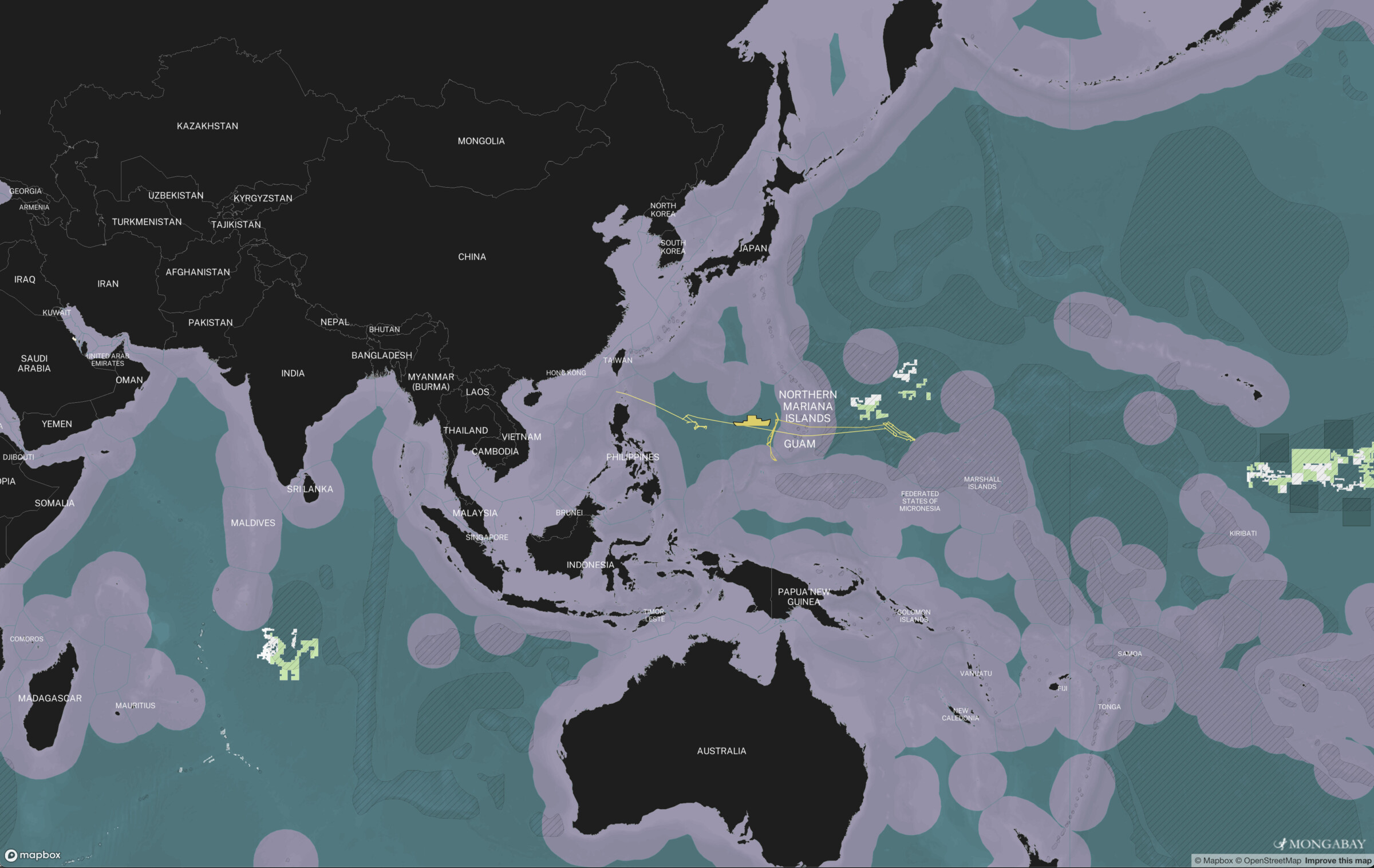
The journalists from Mongabay and CNN behind the recent investigation into the activity of the Chinese deep-sea mining fleet discuss the idea, the data-centric approach, the methodology, and the steps they followed for a collaborative investigation that lasted one year and was carried out with the support of the Pulitzer Center.
How to follow the money in the crypto world

Best practices for tracing cryptocurrencies built to evade banks and borders, as ICIJ investigation shows how reporters follow them.
What every fixer should know before supporting an investigative reporting assignment

Best practices for fixers working in investigative reporting, abroad or at home.
Reporter’s guide to detecting AI-generated content

A practical guide for journalists to counter AI-driven misinformation, speeding up fact-checking workflows and strengthening newsroom verification strategies.
Tipsheets from the iMEdDIJF25 – Part ΙI: Framing the story

Want to turn your data into sound, or transform your investigation into an interactive video game instead of a traditional video? This year’s Forum workshops provided a new set of tools and techniques to make your reporting more engaging and inventive.
Tipsheets from the iMEdDIJF25 – Part Ι: Tools and methods for investigative journalism


ALSO VISIT