Accessibility isn’t optional

For many people, avoiding the news is a choice. For millions of people with disabilities, it can be the result of something else: a news industry that was not designed with accessibility in mind.
Turning investigations into games
Journalism is searching for new ways to hold readers’ attention. Can games built from investigative reporting keep audiences engaged?
Lisa Gibbs: Journalism’s future depends on engagement, accountability and connection

The future of journalism depends on public access, journalists' curiosity, and new ways of disseminating news.
Putting disability at the center of the story

Journalists, editors, and media innovators spoke to iMEdD about the visibility of journalists with disabilities and how they rethink who gets to make the news, whose experiences shape coverage, and which audiences' journalism is meant to serve.
Inside press freedom’s emergency rooms
On the other side of journalists’ SOS messages are emergency teams responding to them. Like the reporters they assist, they are navigating multiple crises at once. Three emergency team members spoke to iMEdD about what has changed and what it now takes to keep journalists safe.
A memoir of abuse, the ghostwriter and her journalism
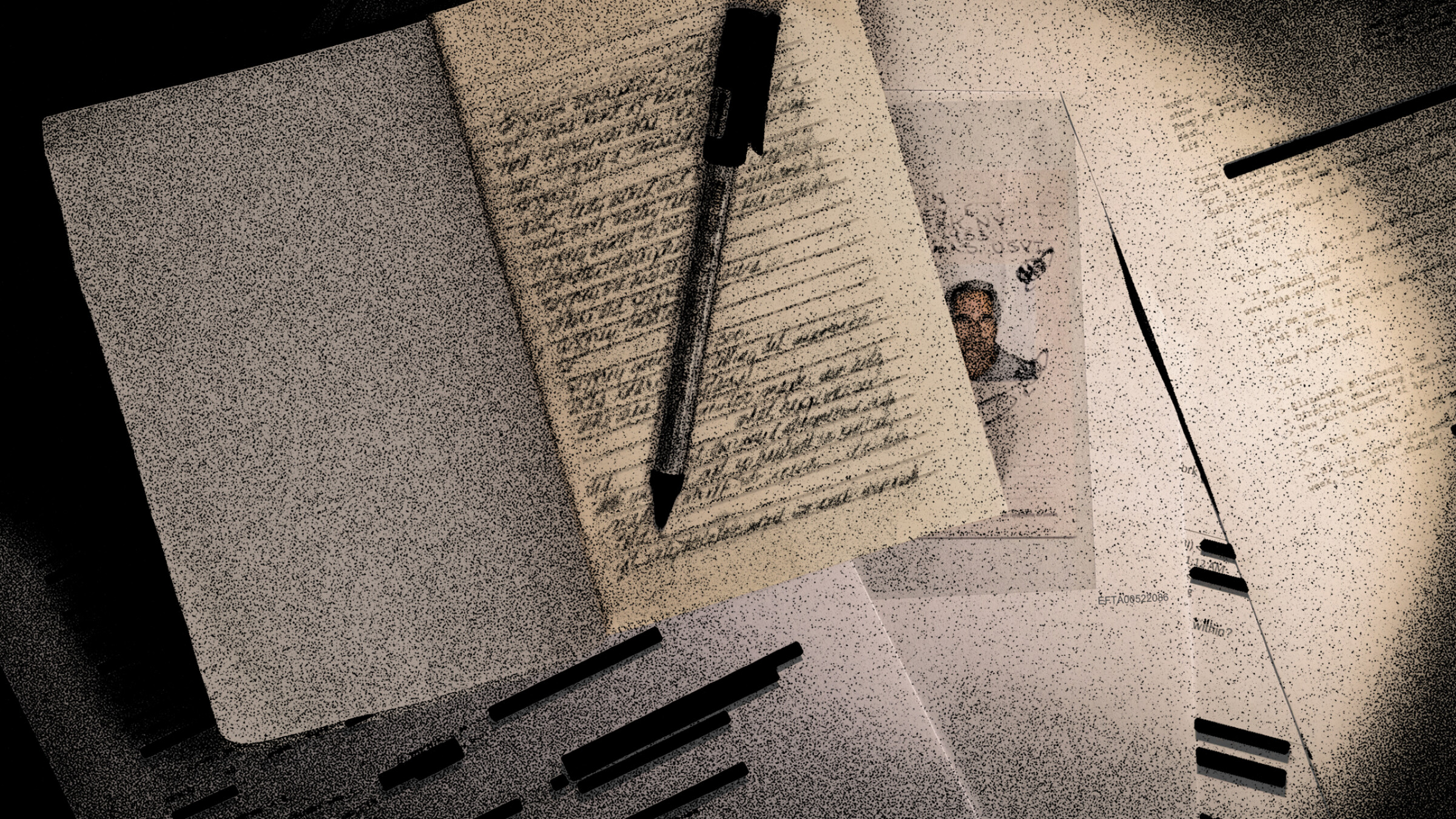
While collaborating on the writing of Virginia Giuffre’s autobiography, journalist Amy Wallace used meticulous journalistic research to document the trauma, the abuse, and Epstein’s secret network.
Two decades of fact-checking: Louis Jacobson on a profession under pressure
Speaking to iMEdD, Louis Jacobson of PolitiFact, described a profession constantly adapting to a fractured and fast-moving information ecosystem.
The quiet absence: disability in the newsroom

Across newsrooms from India to the U.S. and the U.K., disabled journalists struggle to be seen, even as diversity, equity, and inclusion policies promise fairness. Their numbers are unknown, career advancement is stalled, and accommodations are inconsistent.
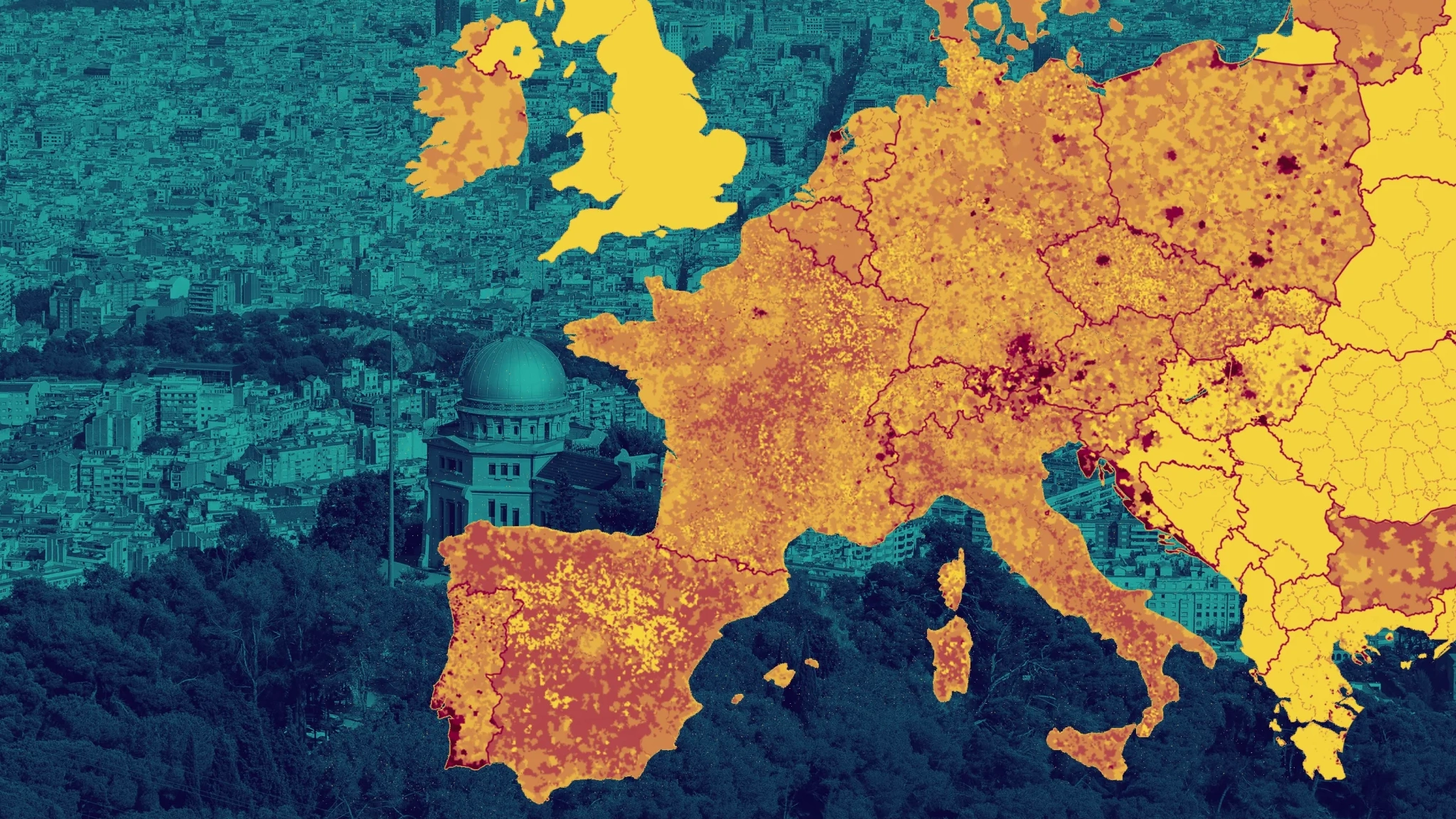
How CORRECTIV investigated the EU housing crisis

ALSO VISIT