
Live journalism at Reid Hall: six stories of resistance on stage
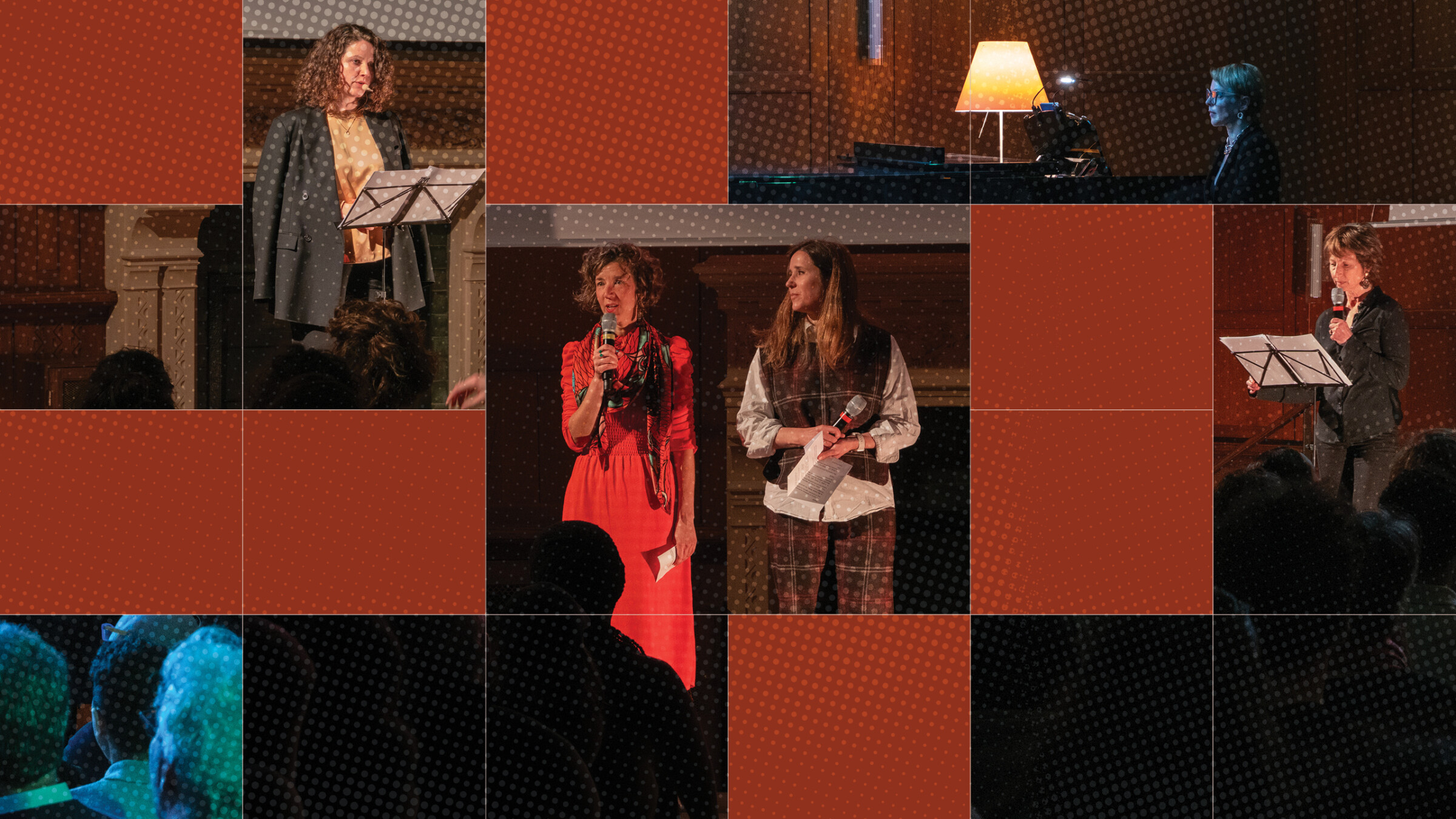
“Stories of resistance” through the voices of six journalists and creators who have experienced war and exile, navigated, through their work, the world of disinformation and the far right, or faced threats as reporters.
Narrative, truth and impact: Highlights from the Thessaloniki Documentary Festival

Reflections on the relationship between journalism and documentary, one that is neither simple nor coincidental. On the contrary, tools and perspectives are constantly shared across the two fields.
Documenting history: Ron Haviv on one’s visual truth

One of the most consequential conflict photojournalists of our era, Ron Haviv, talked with us about how his photographs have contributed to the downfall of dictators, assisted war crimes tribunals, and led the way for the representation of conflict for the world.
Radical collaboration, AI scrutiny, asset tracking, and survival: Key moments from GIJC25
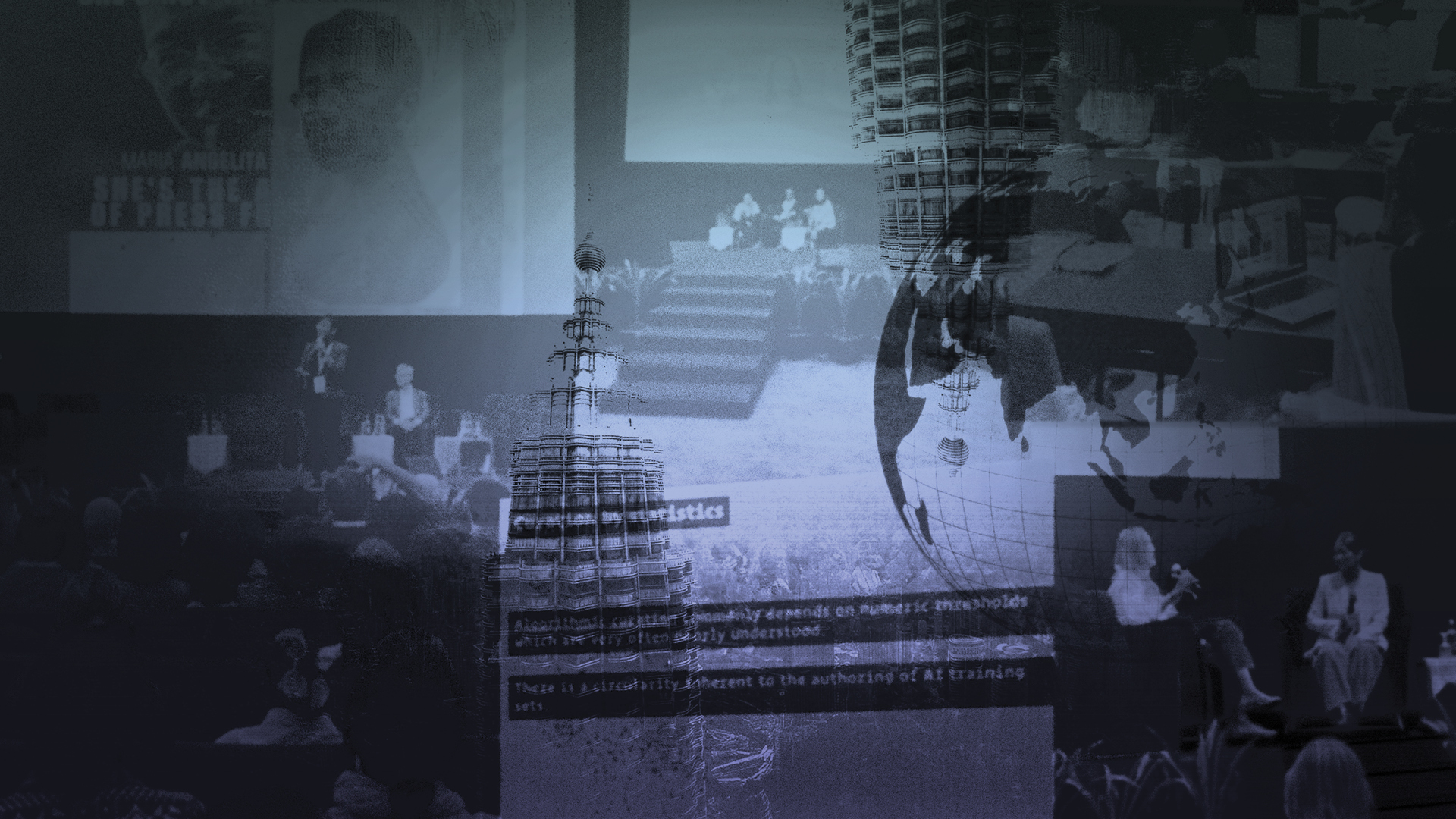
Across the sessions we followed at the 14th Global Investigative Journalism Conference (GIJC25) in Kuala Lumpur, Malaysia, six moments stood out for reshaping how we think about journalism today. They ranged from calls for wide collaboration and sharper scrutiny of AI systems to survival strategies under authoritarian pressure and insights on investigating grand, cross-border corruption and reporting on genocides.
Bridging distances through the power of collaboration
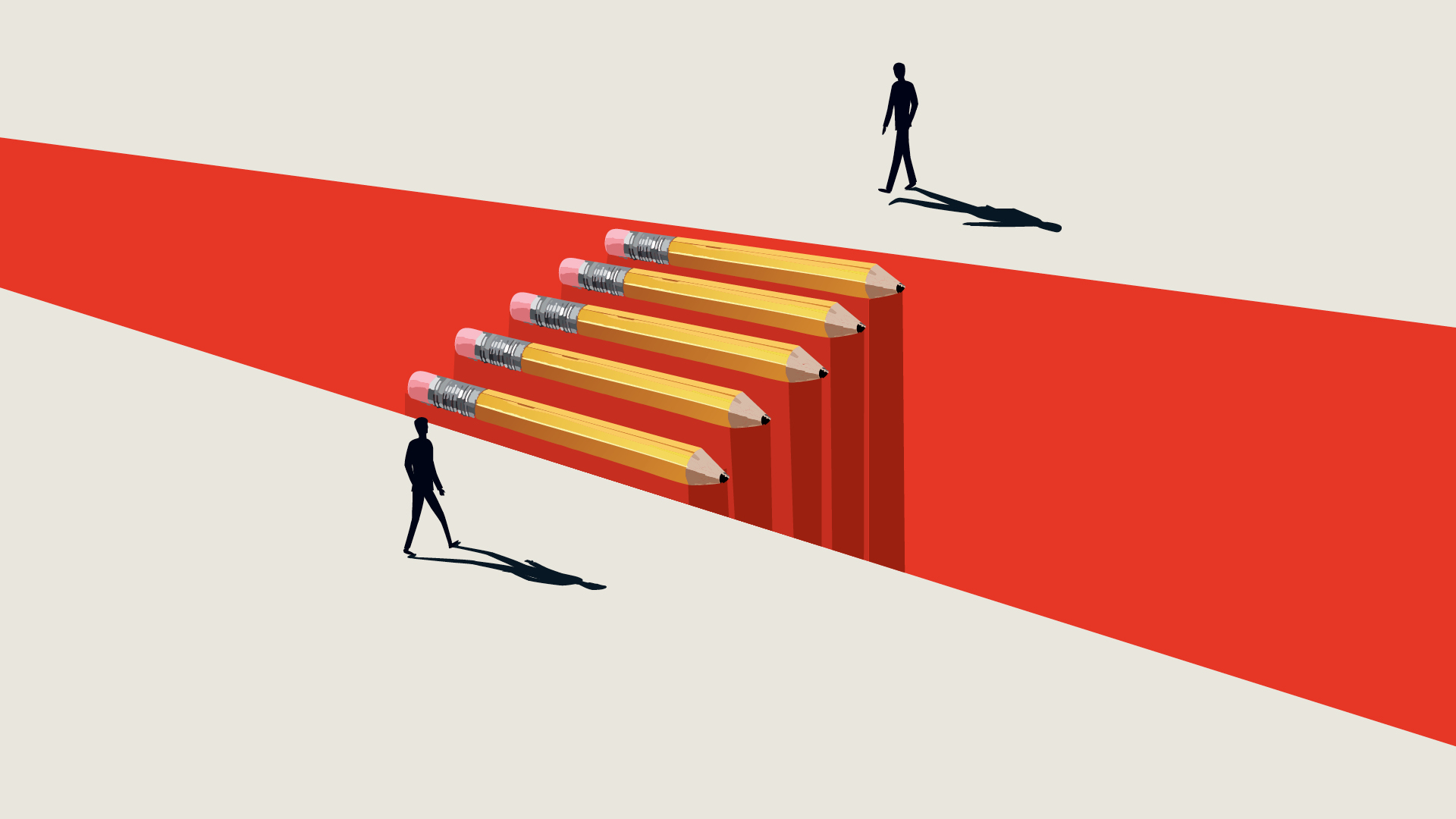
About two months ago, a different cycle of the iMEdD incubator came to a close — the first one designed exclusively for journalists from Greece’s local press.
“Trapped in Gaza” with Palestinian Journalist Shuruq As’ad
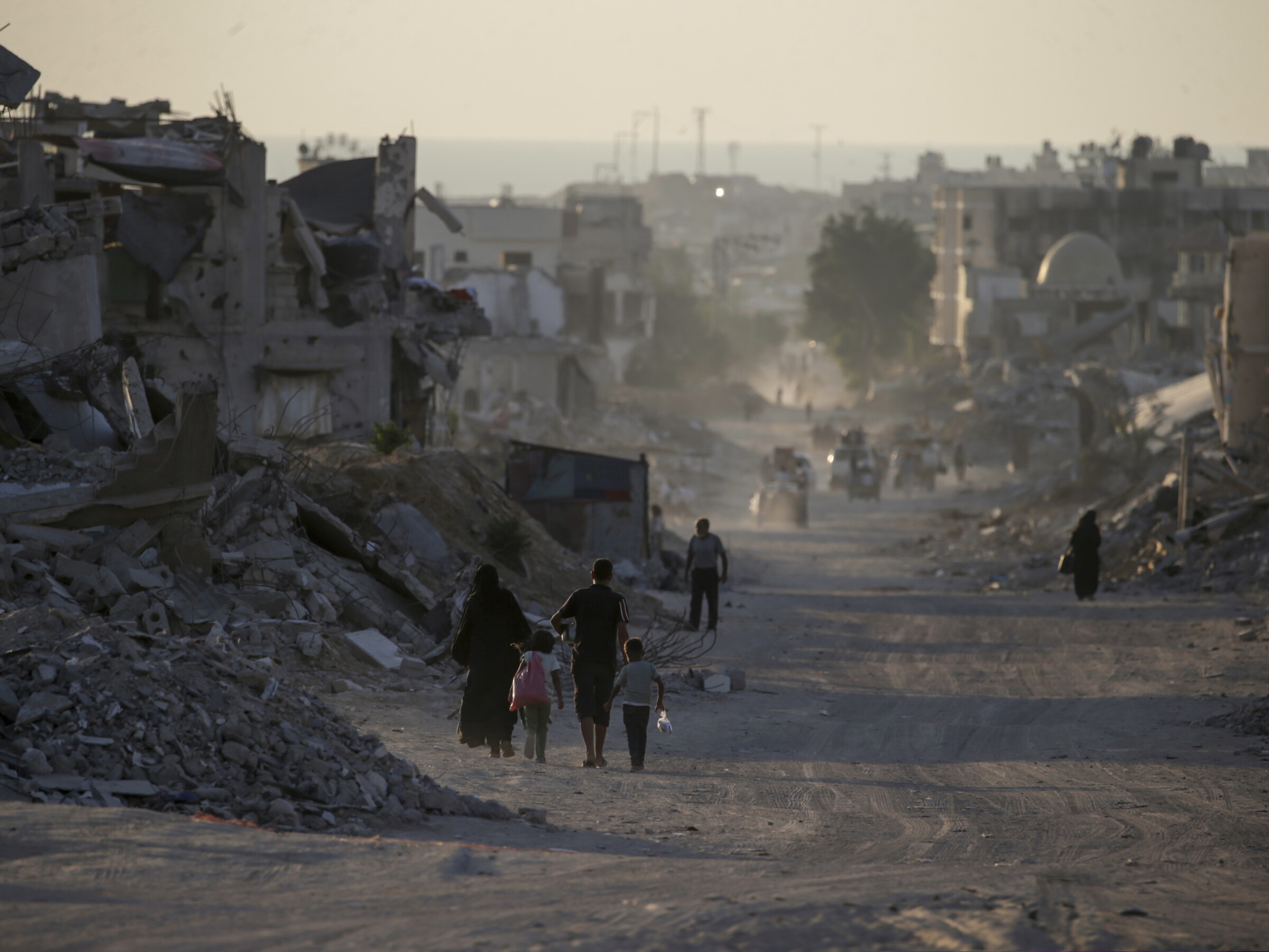
iMEdD spoke with award-winning Palestinian journalist Shuruq As’ad about the conditions in Gaza and how trapped press professionals are surviving.
Trauma
Timeline of the Russian invasion in Ukraine
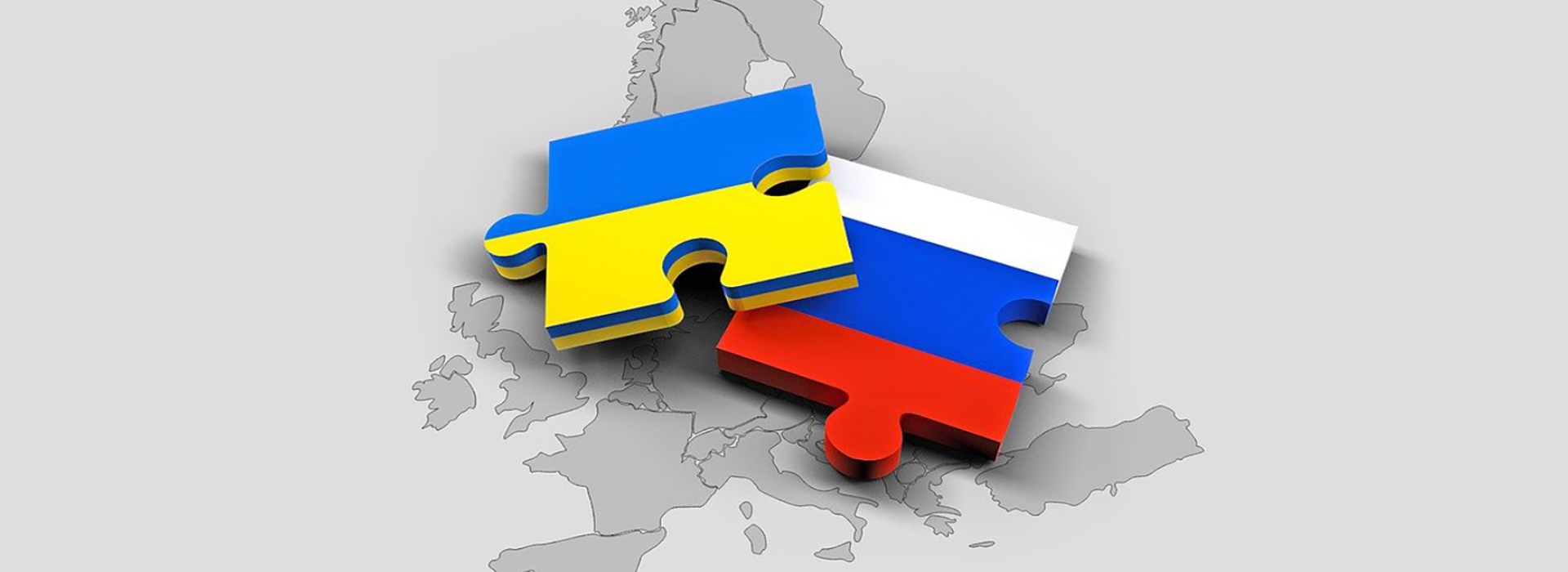
iMEdD Team - Η ομάδα του iMEdD παρακολουθεί διεθνείς δημοσιογραφικές πηγές και οργανισμούς, καταγράφοντας καθημερινά τα σημαντικότερα γεγονότα της ρωσικής εισβολής στην Ουκρανία δημιουργώντας ένα διαδραστικό χρονολόγιο του πολέμου.
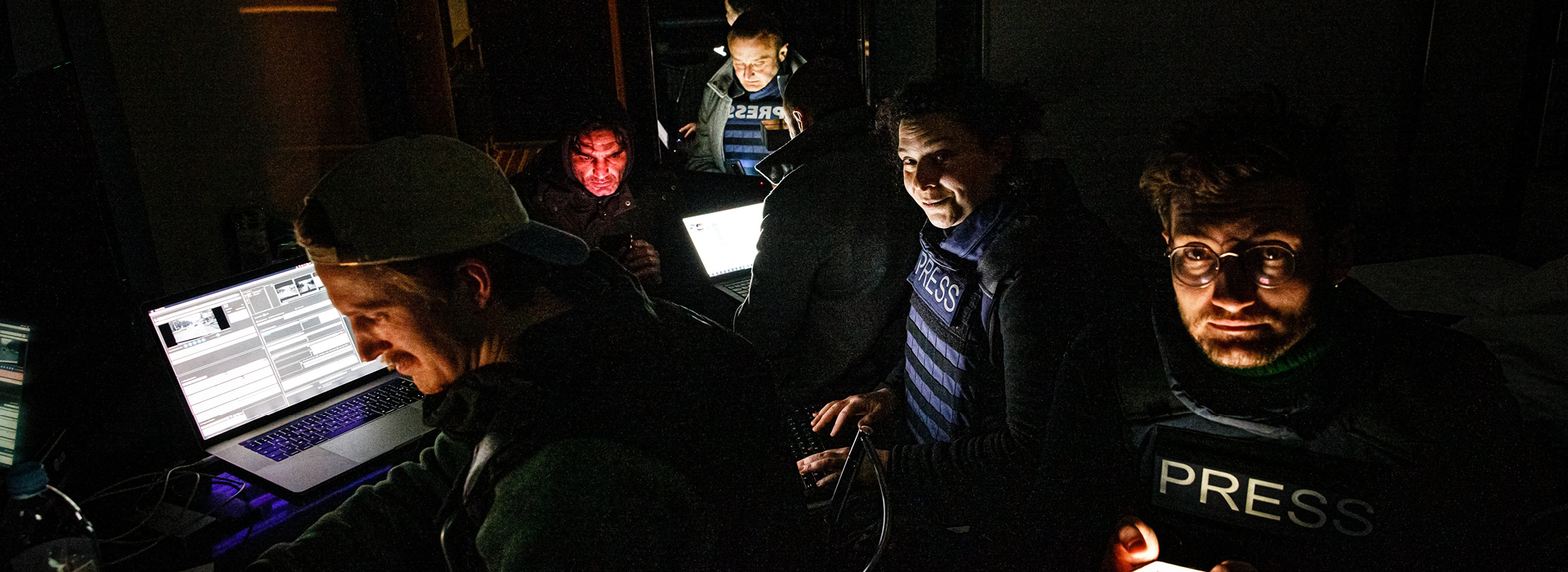
Old Risks, New Facts for the Safety of War Correspondents

ALSO VISIT