From guidelines to architecture: How newsrooms are rethinking AI governance

With human oversight increasingly under pressure, 20 media managers explain how they are reshaping their workflows and outputs in light of the rise of AI
Opening the “black box” with explainable AI – a conversation with Menna El-Assady

With artificial intelligence tools having overwhelmed work routines and even our daily lives, Menna El-Assady, computer science professor and head of the Interactive Visualization & Intelligence Augmentation Lab of ETH Zurich, explains what we should avoid, what are the real questions and how we can understand what really happens inside AI models.
AI accountability reporting guide

The biggest AI stories are often hidden from view. This guide helps reporters uncover them.
From AI to press freedom: iMEdD’s highlights from the 20th International Journalism Festival in Perugia

The 2026 International Journalism Festival in Perugia, offered a familiar mix of urgency and optimism, underscoring a central question that ran through the week: how journalism can stay rigorous, independent, and human in an age of accelerating change.
Slopaganda, institutionalized

The nexus point where AI slop and propaganda meet is journalism’s latest challenge. When institutions are posting deepfakes of regular citizens and journalists themselves are being targeted, how can the public know what is real?
We’re talking about AI all wrong. Here’s how we can fix the narrative

How AI myths mislead society, fuel hype, hide choices, and why changing the narrative matters.
No full stop — What journalism must carry into the year ahead

In this collection of essays, editors, reporters, and media innovators from iMEdD’s network reflect on what journalism must carry into the year ahead.
What is AI slop?
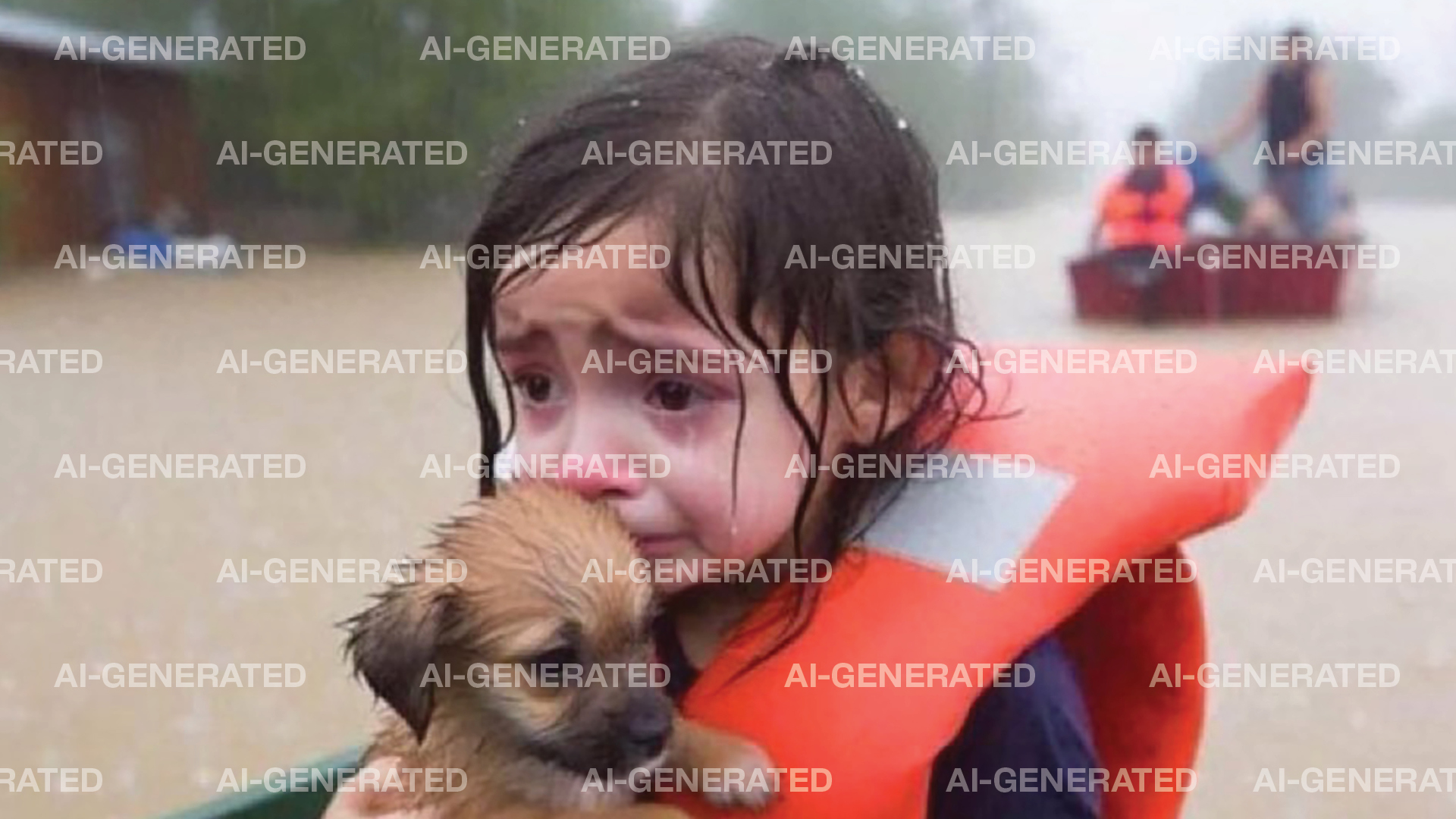
A technologist explains this new and largely unwelcome form of online content.
A publicly available training on investigating AI without fear



ALSO VISIT