Reach isn’t impact

Tessa Pang, Impact Editor at Lighthouse Reports, reflects on what everyone in journalism wants but few invest in: real impact.
How should we cover the climate story?

Speaking with climate reporters about staying on the beat, as Bill McKibben predicts climate coverage will soon take center stage.
When the images stay with you

Gavin Rees explains how visceral images can hijack the body and mind in ways that are hard to track.
I slowed down – and my journalism changed

Slowing down journalism means creating space to listen, reflect and report with greater care, context and resilience.
Accessibility isn’t optional

For many people, avoiding the news is a choice. For millions of people with disabilities, it can be the result of something else: a news industry that was not designed with accessibility in mind.
The cockroaches’ reckoning: How Gen Z protests exposed India’s ‘lapdog media’ and ushered in a new wave of reporters

As young demonstrators turned their backs on TV anchors, a new generation of phone-and-mic journalists covered a movement that shook the establishment
Turning investigations into games
Journalism is searching for new ways to hold readers’ attention. Can games built from investigative reporting keep audiences engaged?
Exiled journalists’ tips for source protection and avoiding ‘propaganda creep’

GIJN's key takeaways from a panel at IRE26 on covering severely repressed societies from afar.
Opening the “black box” with explainable AI – a conversation with Menna El-Assady
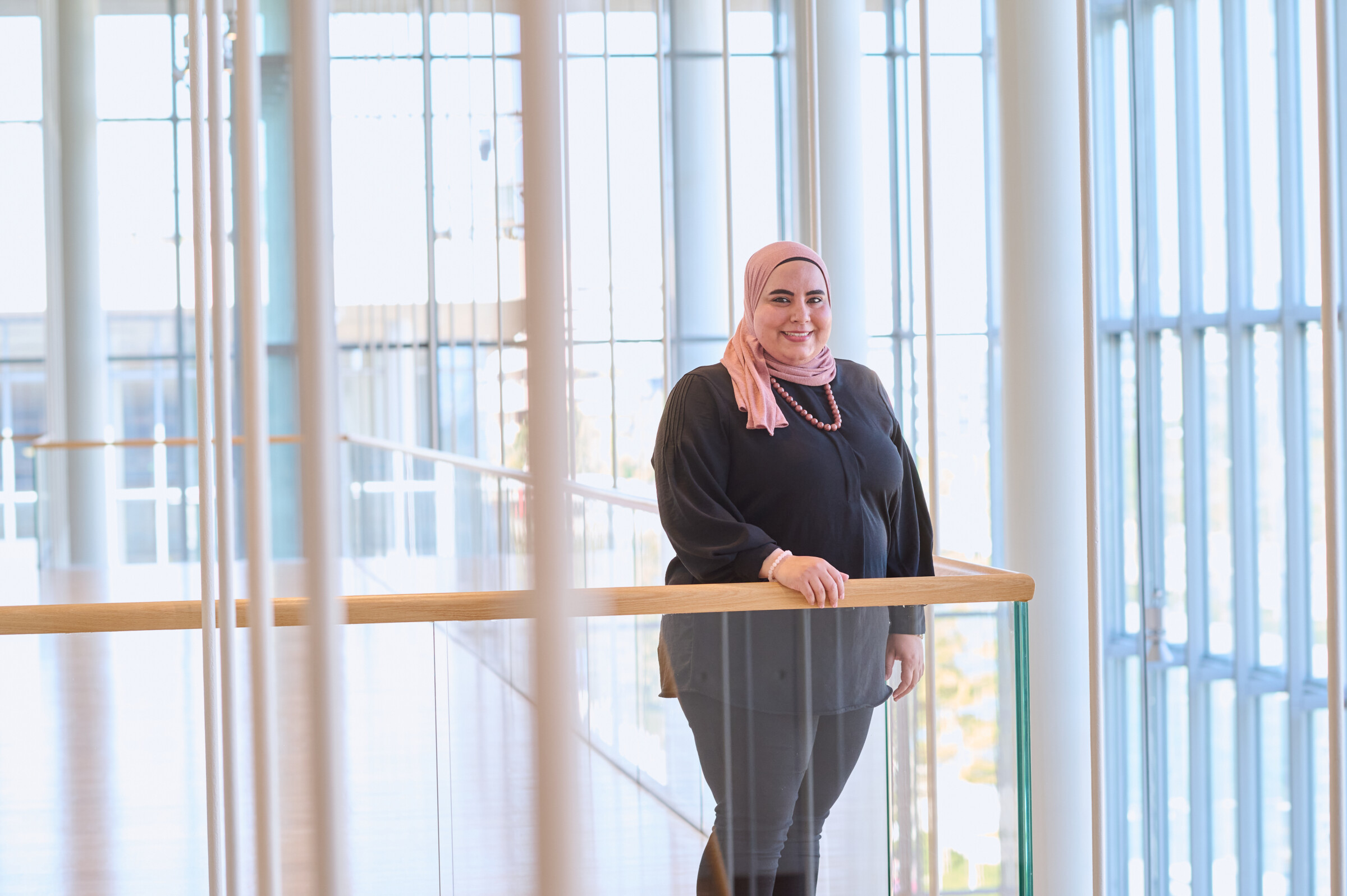
With artificial intelligence tools having overwhelmed work routines and even our daily lives, Menna El-Assady, computer science professor and head of the Interactive Visualization & Intelligence Augmentation Lab of ETH Zurich, explains what we should avoid, what are the real questions and how we can understand what really happens inside AI models.
Journalism-First Tools to Search Spreadsheet Text, Track Website Changes, and Mine Investigative Resources Through the Years


ALSO VISIT