How the electoral presence of leaders reaches its peak
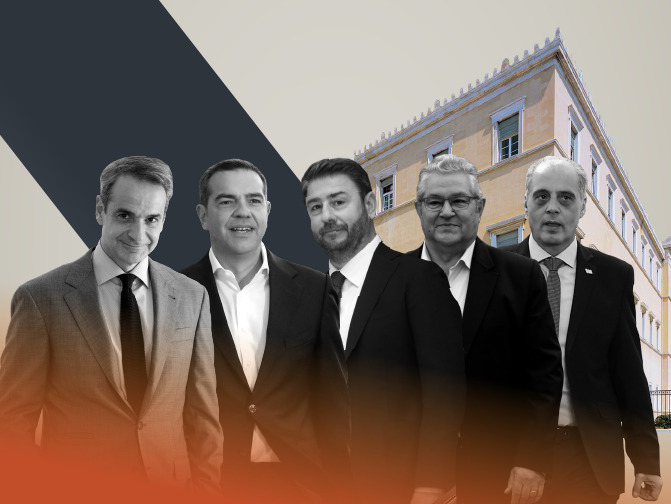
A slight rise in polarizing rhetoric and migration crisis mentions in political leaders' discourse after the tragedy off the coast of Pylos
Immigration in the election discourse of political leaders

How did political leaders address the issue of migration and refugees, if they addressed it at all, during the extended election period prior to the tragic shipwreck off the coast of Pylos?
The political discourse in the middle of the new election period
Η μείωση της πόλωσης και των λαϊκιστικών σχημάτων λόγου, τα θέματα που «βάζουν» οι πολιτικοί αρχηγοί στον δημόσιο λόγο ως προγραμματικές θέσεις αιχμής και πού επικεντρώνεται η κριτική τους.
How the second election campaign in a month got started
[5:51 PM] Kelly Kiki The first inklings of the political leaders' rhetorical strategy during the new campaign period: what they are keeping from the previous election period and what is changing
The party leaders’ political discourse before 21 May

The political leaders’ speeches in the days leading up to the ballot box and the main conclusions we can draw about the political discourse employed during the just-ended election period.
The political speech of the six leaders during the election campaign’s peak
Which political leaders talk more about their agenda, which ones devote themselves to criticising their opponents, which individual issues complement the established topics and whether political discourse escalates just before the ballots.
The election speech of the political leaders in the first week of May
The elections month started with the prime minister's strategic programmatic, proclamatory discourse, the strengthening of the fundamental issues addressed by each political leader, a slight increase in the discourse formats and absence of a typical populist discourse strategy.
Detecting polarization in the pre-election political discourse in Greece

Differentiating competition, division and polarisation in political discourse.
How we analyze the campaign speeches of political leaders



ALSO VISIT