

Decades of climate records with a few lines of code: Analyzing Copernicus data
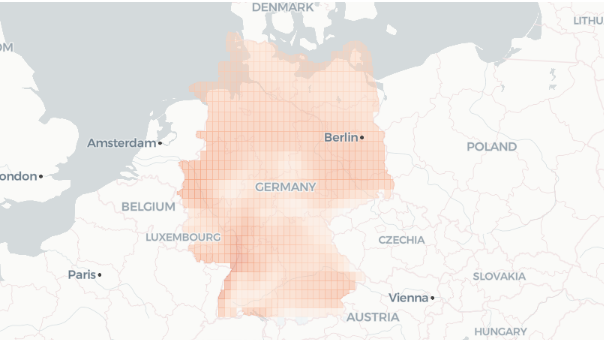
Climate data often come up in the newscycle during major weather events. Copernicus data can be analyzed using a few lines of Python code, without installing software or downloading files to your computer.
How to automatically create dozens of charts using the Datawrapper API
We’ve created dozens of charts that update automatically every day without any intervention on our end, thanks to a few lines of Python code and the Datawrapper API.
How to extract data from PDF files
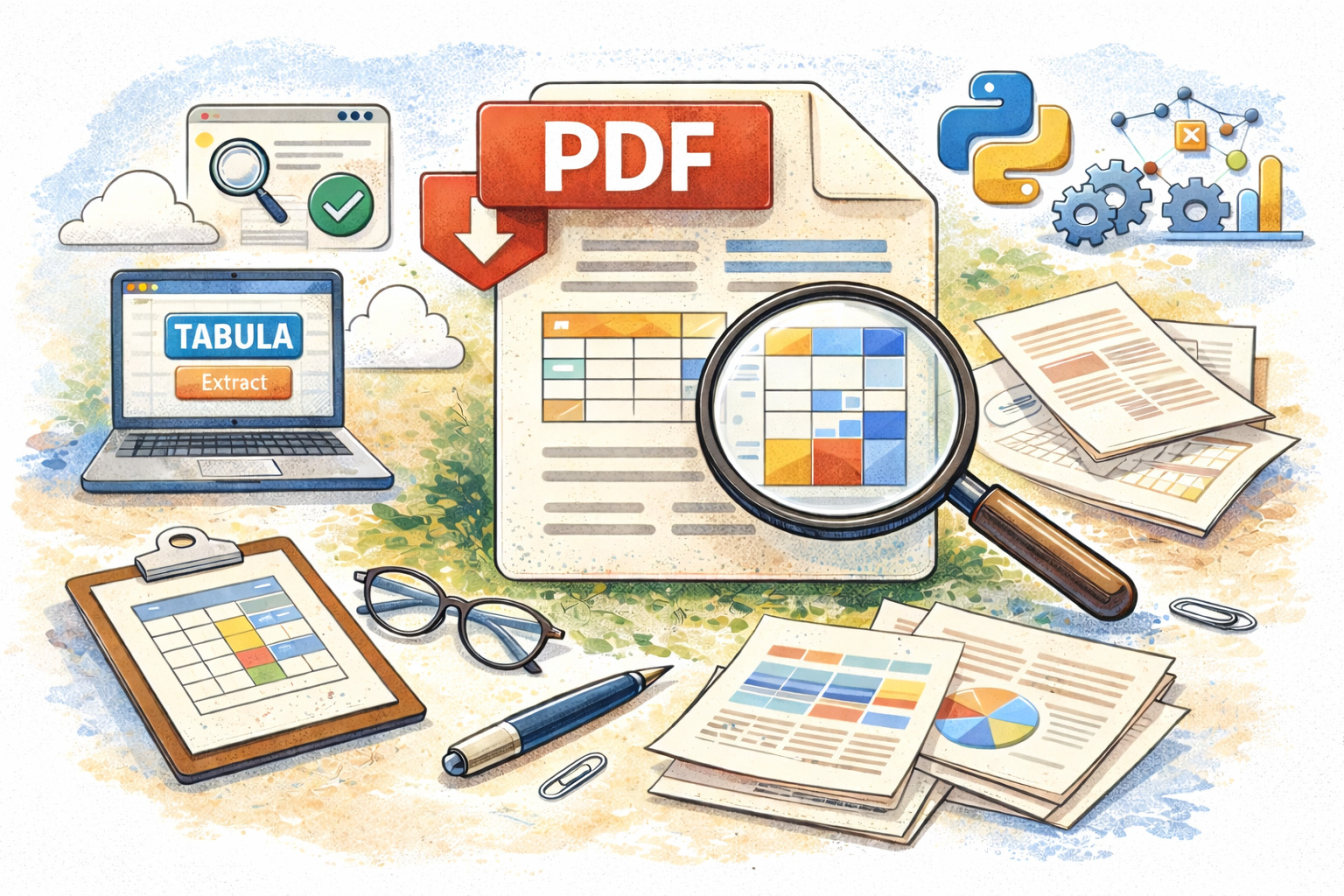
Methods and tools for reading PDF files and extracting data from them, for different levels of difficulty.
Two satellite images and QGIS are enough to find how much a lake has shrunken
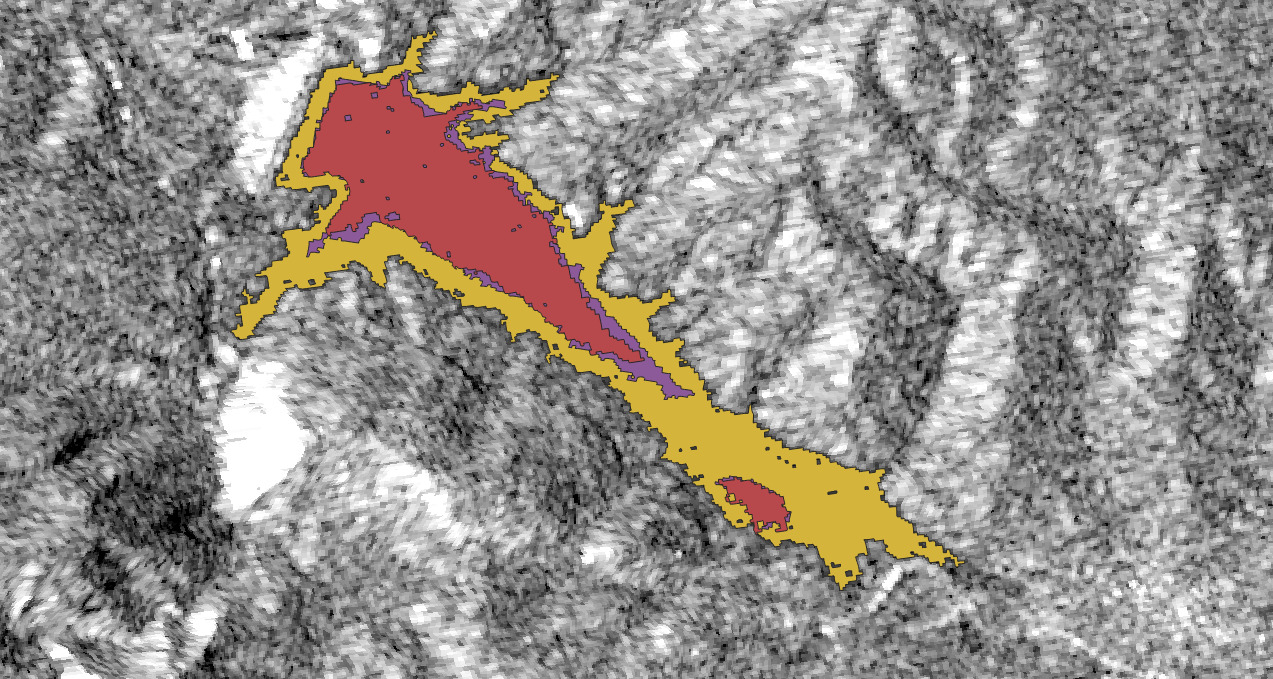
A guide for journalists on how to observe and measure the reduction of water reserves in water bodies, like the Aposelemi Dam in Crete, with the use and the analysis of satellite images.
Covering protests over the war in Gaza? Here’s what journalists should be asking themselves

Think light, not heat and address audience needs while covering campus protests over the war between Israel and Hamas, says Poynter ethics expert.
Tools and strategies to identify and track ships for investigative stories

A toolkit for uncovering a merchant ship's location, routes, ownership, and inspections in four simple steps.
Good news, bad news, and the solution

How can journalists avoid the good news trap, be part of the solution in a problem-focused industry, and distinguish their content from traditional media outlets? Juliette Gerbais talks with iMEdD about Solutions Journalism and the quest for answers to present challenges.
Sustainable journalism: Practical steps to fund your work

In the contemporary world, journalism is more necessary than ever. However, what happens when journalists and newsrooms face funding problems?
Tipping into the basics of Artificial Intelligence: Lessons from Jonathan Soma



ALSO VISIT


